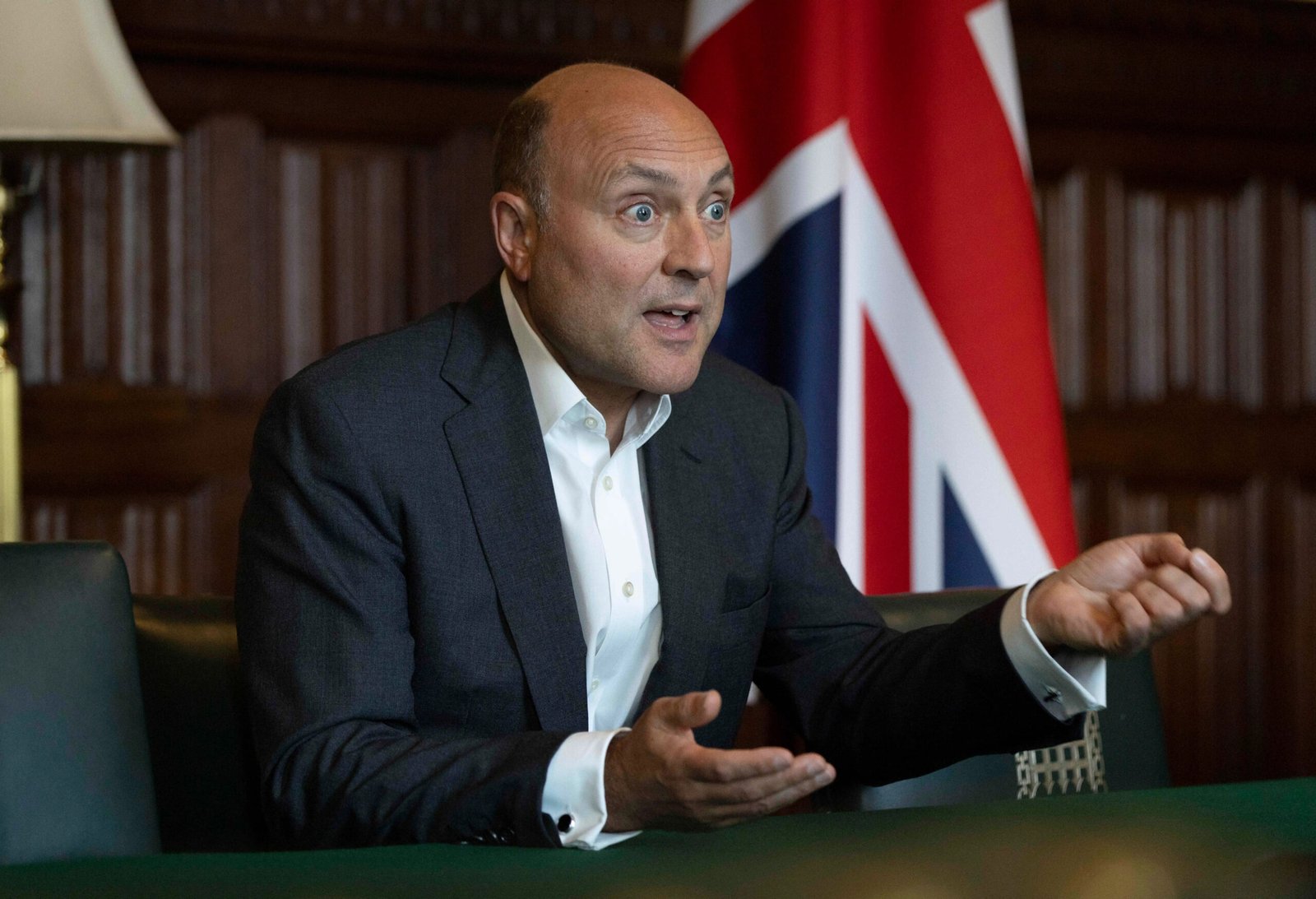
Andrew Griffith warns of economic peril in Britain
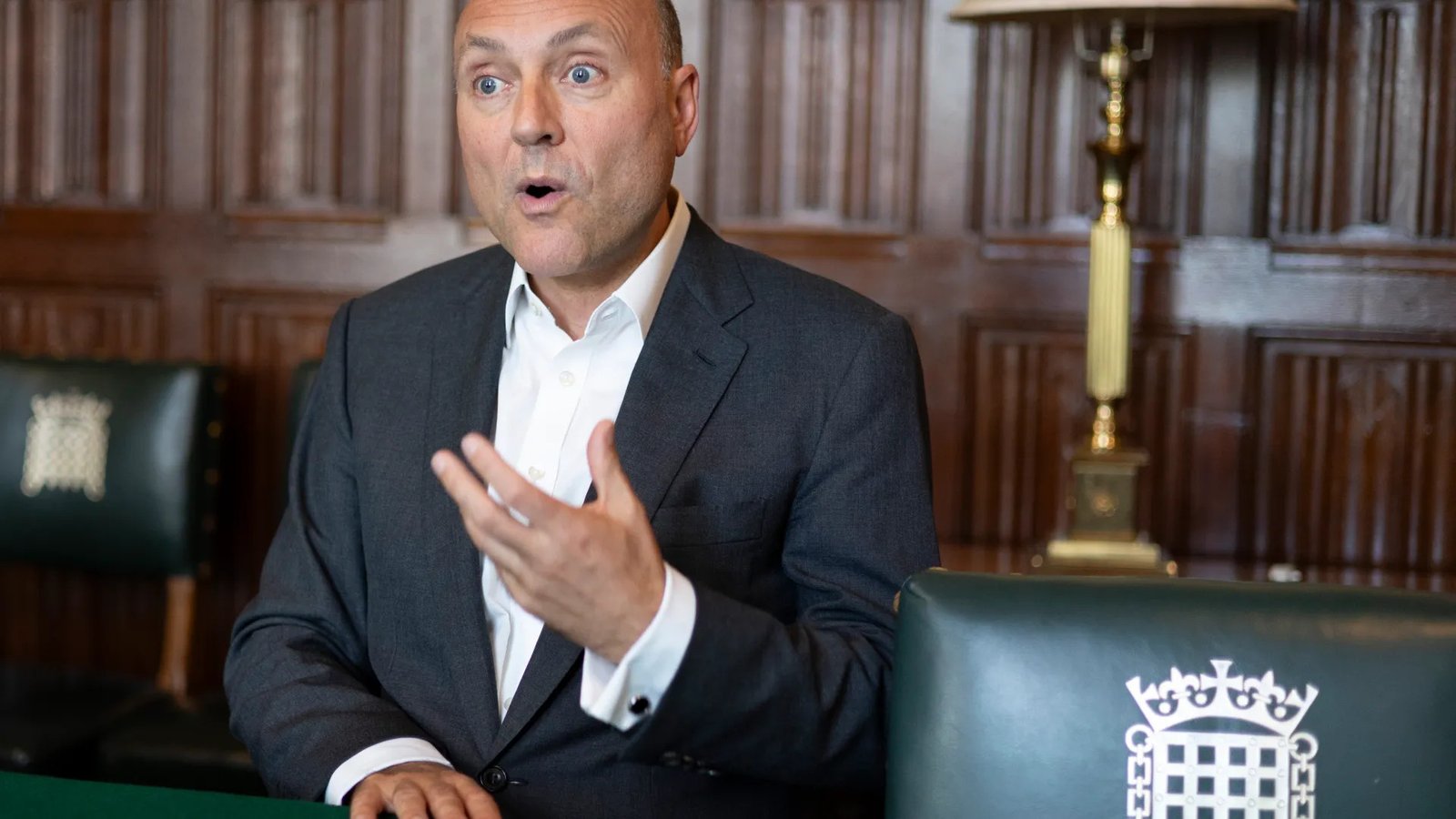
Andrew Griffith has warned that Britain’s economy is “in peril right now” and that Andy Burnham has no plan to address the dire situation, reports BritPanorama.
The Shadow Chancellor stated that the cost of living crisis has reached “nosebleed territory,” with soaring diesel prices and energy bills affecting households across the UK.
In his remarks, Griffith highlighted a trend of business leaders leaving the country due to dissatisfaction with Labour’s tax policies. He accused the Prime Minister of “dereliction of duty” for neglecting the current crisis while focusing on promises for 2030.
Griffith stated, “The country is in peril right now. Defence is unfunded right now. We are paying the highest borrowing rates in 28 years right now. The welfare budget for working-age people is out of control right now,” underscoring the urgent nature of the issues facing the government.
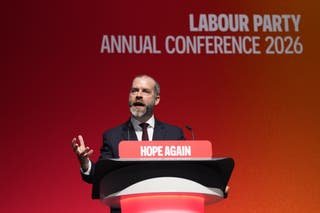
Meanwhile, Burnham outlined his policy pledges during Labour’s Party conference in Liverpool, including plans to tackle the social care crisis by reducing the pensions triple lock, proposing a proportional representation electoral system, and suggesting a potential reconsideration of Brexit.
Griffith criticized Burnham’s approach, characterizing it as a regressive vision that harkens back to a past that never really existed. “Young people don’t want to go back to the 1970s. They want to go forward to the 2040s,” he remarked.
With the ongoing conflict arising from the Iran War and its repercussions on economic stability, Griffith expressed concern over how this affected household expenses, notably the rising diesel prices which have surged to unprecedented levels.
Griffith discredited Burnham’s suggestions about reversing Brexit, calling it a potential catastrophe that risks reintroducing divisive debates and regulatory burdens that could stymie economic growth. He emphasized that such actions would betray the 2016 vote.
On the matter of electoral reform, Griffith labeled Labour’s intent to introduce proportional representation as an attempt to “rig the very system of democracy we operate in.” He warned against the implications of a coalition government, arguing that it could lead to higher taxes and increased regulation that would burden businesses and families.
Despite Griffith’s firm stance on various issues, he remained ambiguous when pressed about the pension triple lock’s fate in future policy, asserting that the Tories are committed to it for the current parliament but withholding specifics about its status in the next electoral manifesto.
With Britain poised to spend an estimated £100 billion on sickness and disability benefits by 2030, Griffith insisted that reforming the welfare system is essential. He lamented the high number of young people not engaged in work or training, stressing the need for supportive policies that encourage employment over dependency.
As the Conservative Party prepares for its upcoming conference, Griffith affirmed his commitment to a tax-cutting agenda, underscoring the necessity to reduce the heavy tax burden that he claims hampers economic growth.
In light of significant losses in the previous general election, the Conservative Party is slowly rallying under Kemi Badenoch’s leadership, though uncertainties remain regarding their ability to regain trust on economic management and immigration policies.
Griffith sees his role as one of reassurance, aiming to convince disenchanted former Tory voters that the party remains a viable choice: “This is the party of Kemi Badenoch, but also of Margaret Thatcher and Winston Churchill – and we are not going anywhere.”
The current economic landscape remains challenging, shaped by both domestic policy choices and international pressures, leaving the government with significant tasks ahead.