Andy Burnham to unveil £8.4 billion investment for UK’s nuclear submarines
Andy Burnham is expected to unveil on Thursday an £8.4 billion investment for the UK’s next generation of nuclear submarines, reports BritPanorama.
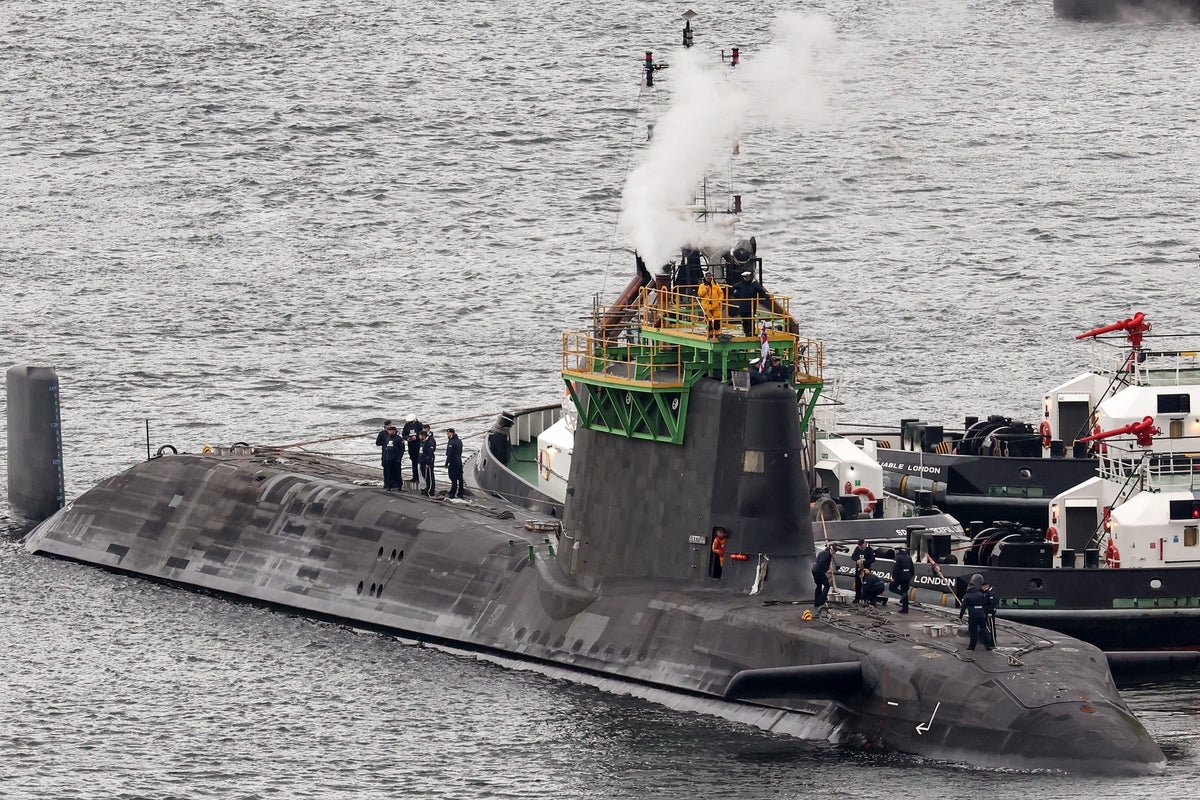
Aimed at preparing Dreadnought-class boats for service by the 2030s, the nuclear-armed vessels are set to replace the current Vanguard-class and will be equipped to launch Trident 2 D5 ballistic missiles.
Powered by a Rolls-Royce nuclear propulsion system, produced in Derby, the submarines will boast an almost unlimited operational range. HMS Dreadnought is the first of four new submarines.
The funding will primarily support its progress towards readiness, with a portion also allocated to advance the second vessel, HMS Valiant, to its sea trials. Manufacturers will also be supported to get the third and fourth boats through their construction phases.
Burnham stated: “Keeping this country safe is the first responsibility of any government. But security is not only about what we build, it is about who builds it, and who benefits from it. The submarines produced in Barrow will protect Britain for decades to come, and the 47,000 jobs and apprenticeships will change lives both in this town and in dozens of places like it.”
He emphasized the importance of investing in British workers and firms, saying, “British money, spent on British workers, British firms and British skills, in the places that were written off for 40 years.” Furthermore, he remarked about the pathway for young people into a reindustrialized Britain starting with the funded apprenticeships connected to this investment.
The prime minister’s announcement on Thursday follows his pledge to tackle joblessness among young people, particularly the rise in those not in education, employment, or training (NEET). Earlier this week, during a visit to Alstom in Derby, Burnham highlighted the urgent need to address this issue.
Latest data reveals that the number of young people aged 16-24 neither working nor learning surpassed 1 million for the first time since 2013, reaching 1.01 million in early 2025. Burnham noted that the education system has failed these individuals, making it crucial to establish proper opportunities for them.
The wider UK Defence Nuclear Enterprise is believed to support around 47,000 jobs, including significant employment at Aldermaston, Burghfield, Devonport naval base, and Barrow in Cumbria. Of the £8.4 billion allocated for the Dreadnought-class submarine programme, £5.9 billion will go to BAE Systems, with the remaining £2.5 billion designated for the wider supply chain.
Burnham has faced scrutiny regarding his defence policies, particularly how he plans to meet a commitment to achieve 3.5% of GDP in defence spending by 2035. At a press conference, he asserted that the government would honour its NATO commitments but acknowledged the challenges ahead.
Burnham’s chancellor pick, John Healey, had previously resigned as defence secretary, citing insufficient commitment to national defence resources under the former prime minister. The recent Defence Investment Plan signifies a pledge to fund four Dreadnought submarines in Barrow, raising the total expected defence investment over the next four years to £298 billion.
Defence spending is projected to reach 2.7% of GDP by the end of the decade. The prime minister intends to present Barrow as a model for taxpayer investment in government projects that provide long-term opportunities across the UK.
Defence Secretary Wes Streeting described the submarines as essential for the UK’s security, expressing that this investment revitalizes Barrow’s historic manufacturing traditions while securing its future.
However, concerns about the clarity of the strategic defence review persist. Shadow Defence Secretary James Cartlidge criticized the lack of detail on the promised procurement of ‘up to 12’ attack submarines, while acknowledging progress on the Dreadnought programme.
As uncertainty looms over funding commitments, a consensus has emerged in supporting the nuclear deterrent, reaffirming the resolve to send a united message to adversaries. Observers are keenly interested in how these developments will shape the defence landscape in the coming years.