A reported late-night fight involving two staff members linked to AfD MPs has handed the party an awkward test of its standards inside Germany’s parliament. The incident was not described as a political confrontation, but it took place in a Bundestag building and reportedly involved alcohol.
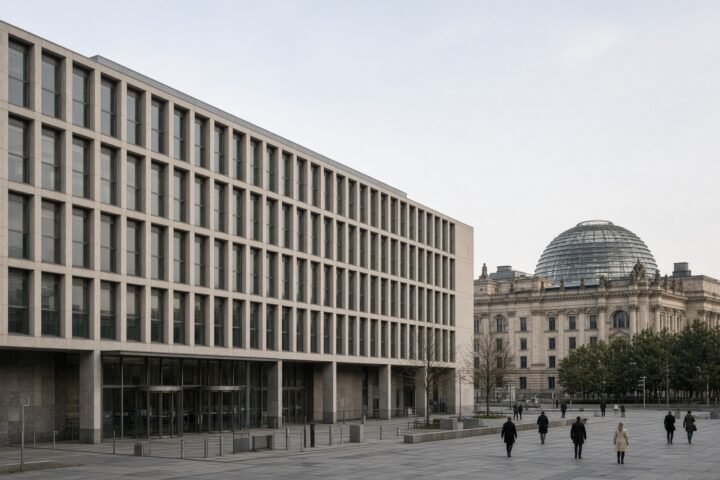
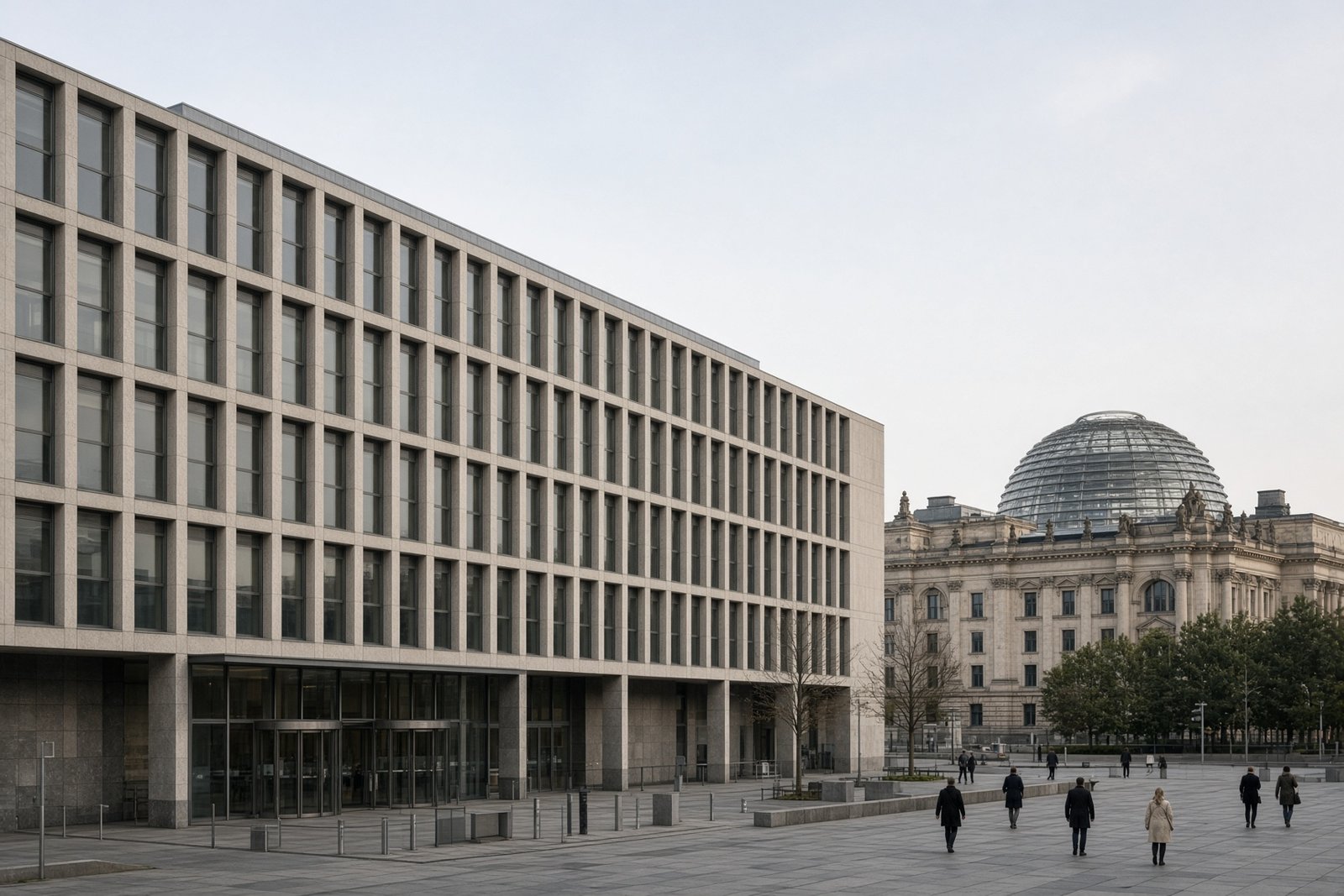
The altercation happened at about 11.20pm on 14 October 2026 in the foyer of the Jakob Kaiser House, next to the Reichstag. The building contains offices used by numerous members of the Bundestag. Information attributed to the German parliament’s administration said both people involved appeared to be under the influence of alcohol.
Bundestag security officers attended the scene and, on their own initiative, submitted a report to the police. The administration has not identified the individuals or disclosed their precise roles. The AfD parliamentary group said it initially had no information about the incident and was checking what had happened.
The facts are still limited
Reports about the incident emerged on 17 October. The available account does not establish how the confrontation began, whether anyone was injured or what may follow from the police report. Nor has the AfD announced the result of its internal examination.
That uncertainty is important. A reported alcohol-fuelled fight involving two unidentified people cannot, by itself, demonstrate a systematic failure in the party’s recruitment or supervision. It is also not a political crime. Any criminal or disciplinary responsibility will depend on the facts established about this particular incident.
But the setting gives the episode a significance it would not necessarily have had in a private residence or a bar. The Jakob Kaiser House is part of the parliamentary complex, where staff work within institutional security and conduct rules. A disturbance there becomes visible to the people responsible for protecting the legislature and raises questions about how parliamentary employees are expected to behave.
Why a personal incident becomes a party issue
The AfD has made order, obedience to the law and respect for state institutions central themes of its public image. A reported fight involving people who work for its parliamentary representatives creates an obvious tension between that message and the discipline expected inside the institution it seeks to influence.
The tension should not be inflated into a judgement on every AfD employee or representative. Staff members’ alleged behaviour remains an individual matter unless further evidence shows otherwise. Even so, parties are judged not only by their speeches and election programmes but by the way their organisations operate in ordinary situations.
For the AfD, the practical questions are therefore straightforward. How are staff selected for work in parliament? What supervision and standards apply once they are in post? And how quickly and transparently does the parliamentary group respond when an incident occurs on Bundestag premises?
The episode also arrives against a backdrop of repeated public controversy involving individual AfD figures. That history may increase the reputational impact of a new incident, but it does not turn an isolated report into proof of a broader pattern. The distinction matters, particularly while the identities of those involved and the precise sequence of events remain unknown.
The next stage will depend on two processes: the AfD group’s internal review and any action taken by police. The first could clarify the employees’ roles and whether disciplinary measures are being considered. The second will determine whether the reported confrontation has legal consequences.
For now, the case remains narrowly defined but politically inconvenient: two unidentified staff members, a late-night incident in a parliamentary building and a party forced to show whether its claims about order also apply to the people working on its behalf. Read the n-tv report on the incident.