Poland is preparing for the possibility of more sabotage and provocations against transport links and critical infrastructure during the winter of 2026-27. The concern reaches beyond damage to individual sites: disruption near the Ukrainian border could slow Western aid, increase the cost of military logistics and test how Warsaw and its allies respond without entering open conflict.
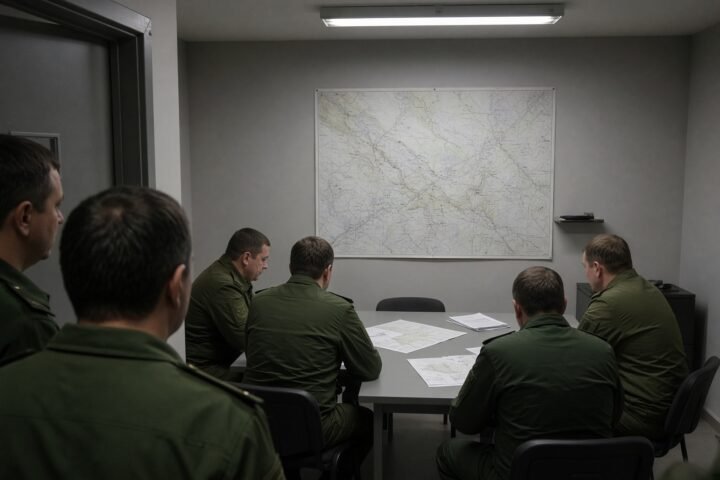
On 18 October 2026, media reported that Polish, Ukrainian and allied intelligence services had pointed to a possible escalation before Christmas. Prime Minister Donald Tusk said Russia might try to test Poland’s reaction to acts below the threshold of war. The warning describes a potential scenario, not a confirmed attack plan or an operation already carried out. It was reported by RBC.
The routes at stake
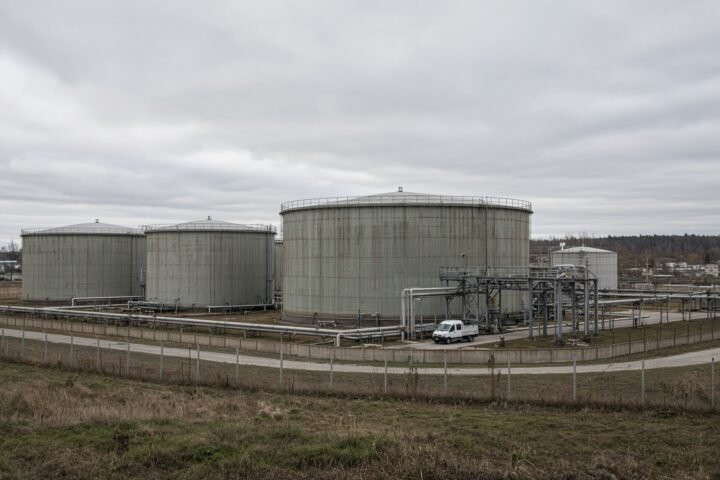
The infrastructure in question includes railways, logistics facilities and transport corridors used for gas, oil and food. Routes close to the Polish-Ukrainian border are particularly sensitive because several forms of traffic converge there, including commercial freight and the movement of Western support towards Ukraine.
That makes the vulnerability a network problem rather than a matter of protecting one named installation. Damage to a railway section, a logistics hub or an access road might not close a route permanently. It could nevertheless trigger inspections, diversions, temporary restrictions and heavier security measures. Deliveries would become slower and more expensive even if traffic continued.
For Ukraine’s supporters, the impact would be measured in lost flexibility as much as in physical damage. Transport operators and public authorities would have to devote more staff and equipment to guarding routes, checking cargoes and managing interruptions. Those resources would no longer be available for the normal operation of the network or for other security tasks.
The overlap between military, energy, food and commercial traffic also widens the possible consequences. A disruption near the border could affect the movement of aid while putting pressure on supply chains that serve Poland and its neighbours. The same corridor may therefore be important both to the war effort and to everyday economic activity.
A pressure campaign below the level of war
Tusk’s assessment centres on the possibility of repeated, limited actions: damage to infrastructure, drone incidents or other provocations designed to create pressure without immediately provoking a direct military confrontation between Russia and NATO.
Such incidents would present governments with a difficult question. Authorities would need to establish what had happened, protect the affected area and keep transport moving. Allies would have to judge whether intelligence, surveillance or additional security support was needed. At the same time, they would be watching for signs that successive disruptions were creating political disagreement or weakening public confidence.
The intention attributed to Russia cannot be established from the reported warnings alone. But the logic described by the Polish prime minister is clear: an adversary could learn how quickly Warsaw reacts, how much support its allies provide and which parts of the transport system are hardest to protect. Each event might remain too limited to trigger a collective military response, while the cumulative effect still imposed a growing burden.
That burden would be felt through longer journey times, more complicated procedures and uncertainty over whether the next interruption was accidental or deliberate. The strategic effect would not necessarily be paralysis. It could instead be a steady erosion of reliability in the routes used to sustain Ukraine.
Keeping the corridors open
A worsening security picture would leave Poland balancing two competing demands. Railways, roads, bridges, energy facilities, distribution centres and trans-shipment points might all require stronger monitoring and protection. Yet the transport system would still have to function. Broad closures or excessively slow checks could weaken the supply chains that security measures are intended to defend.
Even a small incident could generate costs far beyond the original damage. A route might be closed while investigators examine a site; freight could be held for additional checks; schedules might need to be rewritten and traffic diverted to less capable alternatives. If several incidents occurred close together, pressure could spread from one damaged location across the wider network.
That creates a political challenge for Warsaw as well. The government would need to show that it could protect infrastructure without allowing every disruption to produce panic or an unnecessarily disruptive response. Visible security measures could reassure the public and operators, but they might also slow traffic and expose the scale of the risks authorities were trying to manage.
For Poland’s partners, the central question is whether support for Ukraine can remain dependable while more resources are used to safeguard the routes carrying it. Protecting those corridors is part of maintaining assistance to Kyiv, not a separate task. But the more heavily guarded and restricted the network becomes, the greater the danger that security procedures themselves will create new bottlenecks.
The winter of 2026-27 is therefore being presented as a possible test of resilience rather than the date of a known attack. Its significance will depend on whether Poland and its allies can identify disruptions quickly, distinguish isolated incidents from a pattern and contain their effects without allowing vital transport to seize up.