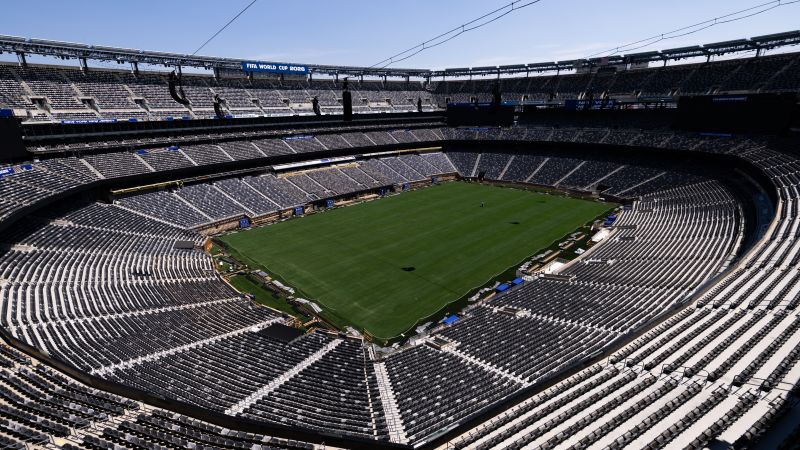
The FIFA World Cup is now just a few weeks away, but Dr. Rebecca Katz has been worrying about the public health threats it poses for years, reports BritPanorama.
“With any mass gathering event, there are certain disease conditions that people worry about,” said Katz, who leads Georgetown University’s Center for Global Health Science and Security. “There’s always something happening.”
A well-established playbook exists for planning how to protect the public’s health during mass gatherings like the World Cup, experts suggest. However, broader circumstances surrounding this year’s tournament, expected to attract millions to North America, are set to challenge that framework.
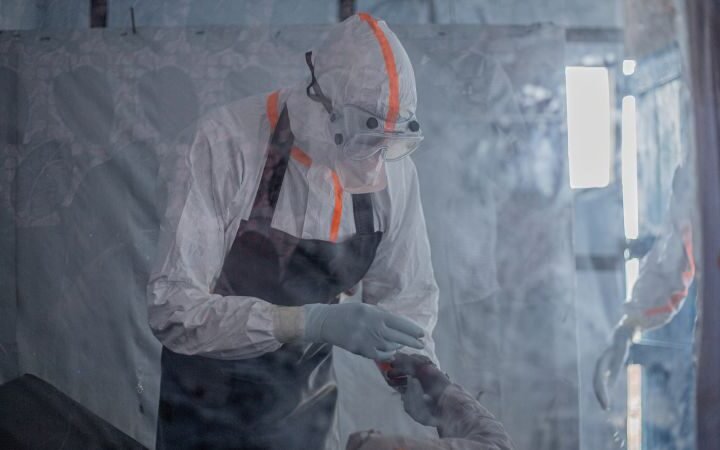
An Ebola outbreak in the Democratic Republic of Congo and Uganda poses a significant global health concern. The World Health Organization (WHO) has classified it as a “public health emergency of international concern,” marking only the ninth such declaration since 2005. Compounding this are health resources being directed toward a rare hantavirus outbreak.
While these serious diseases are indeed worrying, experts affirm that public health preparations for the World Cup are primarily focusing on familiar issues, albeit intensified to accommodate the event’s scale. “We’re expecting the unexpected, but let’s ensure we’re also really expecting the expected,” stated Dr. Marcus Plescia, health director for the Fulton County (Georgia) Board of Health, which hosts World Cup matches in Atlanta. “The common things are going to become even more common.”
Respiratory diseases are particularly concerning during mass gatherings, and measles cases have surged across the three host countries— the US, Mexico, and Canada. Other health threats, such as sexually transmitted infections and various arboviruses transmitted through insect bites, also pose challenges. “We have the vectors for dengue, for chikungunya, for all of these disease challenges in the US, but what we haven’t had was enough people with those diseases to sustain the transmission,” Katz explained. The World Cup, however, could change that dynamic with the influx of visitors.
Local public health leaders are also highlighting concerns about high temperatures, air quality, drug overdoses, food safety, and more during the event.
Dr. Katelyn Jetelina, an epidemiologist and former senior adviser to the US Centers for Disease Control and Prevention (CDC), identified heat-related illness as a “probably the most reliable risk” beyond infectious diseases. “Crowds plus sun plus summer temperatures plus physical exertion plus alcohol is a combination that sends people to emergency rooms every year,” she noted.
Public health efforts are designed to provide an “invisible shield” around communities, according to Dr. Monika Roy, deputy health officer with the County of Santa Clara (California) Public Health. “We do this every day. It is the bread and butter, so we feel prepared, but having the resources to do so is very important,” she emphasized.
This year’s World Cup marks the largest competition to date, featuring 48 teams—a jump from 32—and will be held across three countries for the first time. This unprecedented scale amplifies the necessity for clear communication, rapid surveillance, and efficient coordination within public health responses.
Ebola risk is low, measles risk is higher
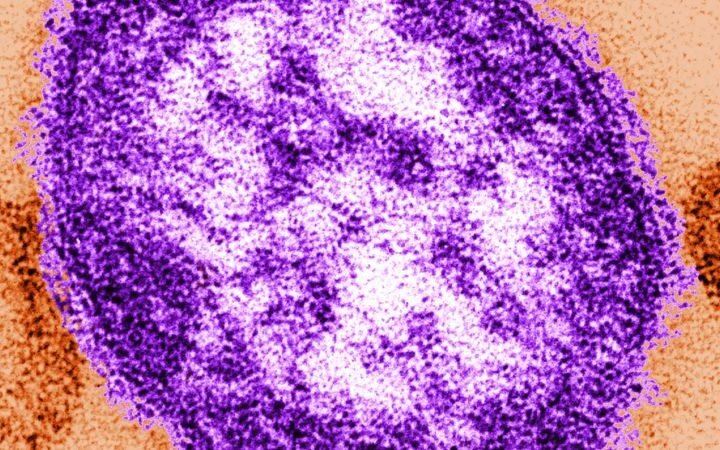
Plescia has categorized measles, highly contagious, as part of “common core public health problems.” Following a record year for measles in the US in 2025, concerns are mounting as the country is on track to nearly double that figure this year. Significant outbreaks have also been reported in Canada and Mexico. “If there were a measles outbreak amongst a group of FIFA fans, it would be very challenging,” Plescia said, noting the potential mobility of fans accompanying their teams.
Recent reports of measles cases in Georgia exemplify the interconnected nature of public health and the potential for disease spread through travel between cities.
This situation underscores the need for a multilayer public health response. Katz pointed out that approximately two to seven days may pass between identifying measles in wastewater and the first emergency department case. “That amount of warning time has been effectively used in the past—everything from alerting infection prevention control within hospitals to directly notifying individuals about vaccination,” she explained.
Authorities have established public health tools to manage infectious disease threats for the World Cup, including preparations for Ebola, although the immediate risk it poses is considered lower. WHO officials maintain that the global risk level remains low despite a rising regional risk.
The federal government is implementing special airport protocols to screen international travelers, requiring those from the DRC, Uganda, or South Sudan within the past 21 days to arrive at designated airports for health screenings.
Dr. Peter Hotez from Baylor College of Medicine indicated a willingness to attend a World Cup match involving the DRC team, stressing that Ebola does not transmit until symptoms present. He acknowledged the probability of new cases emerging from the Ebola outbreak but asserted there is a low risk of spread to locations like Houston, which will host the team during the tournament.
Casting a wide surveillance net
In assessing health risks, Katz has launched the Health Security Operations Center to monitor potential infectious disease threats. This hub will distribute daily situation reports to a wide range of stakeholders, including health officials and tournament organizers. “We’re gathering a broad array of data—wastewater, traveler, aggregated health record data—to create a robust surveillance net,” remarked Dr. Ethan Booker of MedStar Health.
Authorities are also using wastewater testing to surveil health trends passively within communities, aiming to detect potential health threats without requiring individual pathogen testing. In Dallas County, Director Dr. Phil Huang mentioned increased sampling sites and the implementation of metagenomic testing to identify various pathogens in the wastewater.
In Philadelphia, plans for a mobile lab will expedite specimen testing locally rather than relying on distant labs. “We’ve been fostering this capability for years, initially without a specific event in mind, but it has now been geared up for current readiness,” stated Health Commissioner Dr. Palak Raval-Nelson.
Local health systems are also preparing for potential surges in healthcare demand during the tournament, collaborating with their respective Emergency Operations Centers to ensure public safety.
Federal coordination on health
The federal government has allocated $625 million to host cities under the FIFA World Cup Grant Program via the Federal Emergency Management Agency. However, questions regarding the allocation and effectiveness of these funds in mitigating health threats remain unanswered. The CDC affirmed its active involvement in World Cup preparedness under the federal coordination structure led by the White House’s task force.
Dr. Katz concluded that as health threats evolve, including those that surfaced since hosting decisions were made, maintaining consistent funding and effective coordination will be essential in safeguarding public health during large events like the World Cup. The interplay of emerging pathogens and infrastructural frameworks will challenge authorities as they look to ensure a safe World Cup experience.