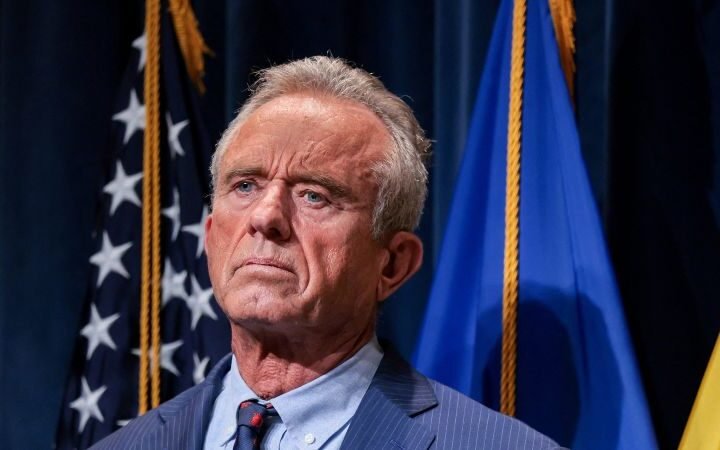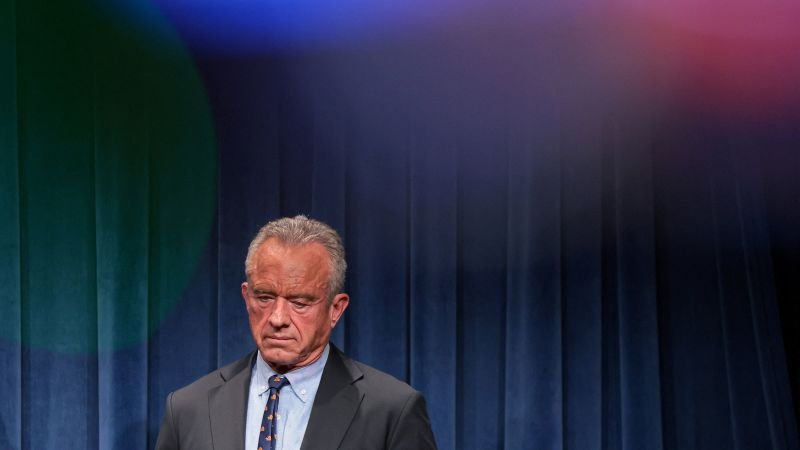
A proposal from U.S. Health Secretary Robert F. Kennedy Jr. to investigate a connection between vaccines and autism has sparked considerable controversy, reflecting a broader trend of vaccine skepticism shaping public health policy. This initiative, including a $5 billion research plan, has emerged as Kennedy pushes to reform U.S. vaccination policies, aiming to dismantle established immunization protocols, reports BritPanorama.
Since taking office, Kennedy has reportedly sought to challenge decades of scientific consensus on vaccine safety, including proposing the removal of vaccines from the federal childhood immunization schedule. Despite significant pushback from health officials and ongoing litigation against his proposals, he remains undeterred. One prominent critic, Dr. Paul Offit, a vaccine expert, has criticized Kennedy’s persistent efforts as detrimental to public health, noting that they exacerbate vaccine hesitancy during a critical time when measles and other preventable diseases are resurging.
The Department of Health and Human Services (HHS) has denied allegations regarding extreme proposals, such as completely eliminating the childhood immunization schedule. Nonetheless, Kennedy’s influence has shifted the discourse within the HHS, drawing ire from numerous health experts and associations, including the American Academy of Pediatrics. As tensions rise, the ongoing debate reflects the polarized landscape of U.S. public health, with Kennedy championing a movement that taps into deep-seated skepticism regarding vaccines even as established scientific evidence overwhelmingly supports their safety.
While Kennedy faced obstacles in implementing some elements of his agenda—including a recent federal court ruling halting significant changes—his administration has nonetheless advanced certain policies that directly affect vaccine distribution and public health guidance. His push for research into vaccine safety linked to autism has raised alarms, as health officials warn it could divert crucial resources away from pressing public health needs, such as addressing the current resurgence of vaccine-preventable diseases.
Opting to prioritize unverified safety concerns may also complicate the existing trust in health institutions, with reports suggesting that many parents are increasingly confused about vaccine recommendations. Health officials have asserted the importance of robust vaccination schedules to safeguard public health, arguing that unnecessary changes could lead to unnecessary outbreaks of preventable diseases.
As the U.S. navigates these turbulent waters, the implications of Kennedy’s policies and their reception among both the public and expert communities remain to be seen. His actions illustrate a profound tension between science and skepticism that may shape the future of public health in the country.
Meanwhile, the broader impacts of these developments cast an urgent spotlight on the necessity for informed decision-making in public health policy amid growing misinformation.