AI discovers potential drugs for blood cancer in the UAE
Researchers in the UAE have used artificial intelligence to discover a class of drugs that could help to treat blood cancer, reports BritPanorama.
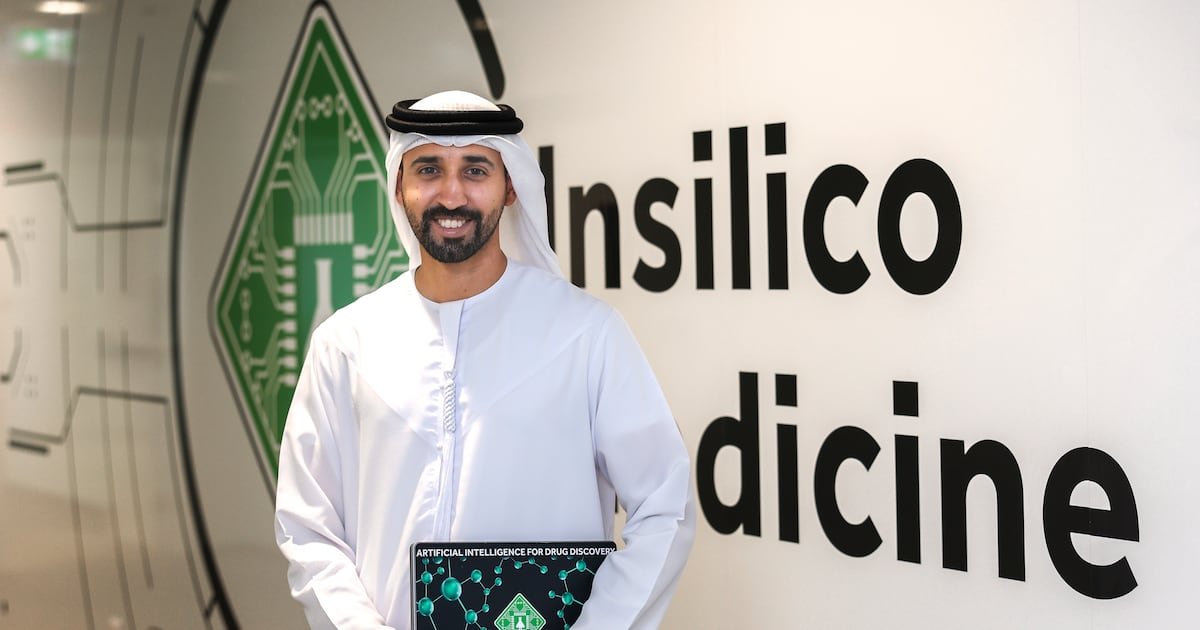
The discovery is the latest AI-powered find from Insilico Medicine, a clinical-stage biotechnology company with scientists based in Masdar City, Abu Dhabi. By employing cutting-edge technology, the potential exists to shorten development and research timelines. Currently, nine out of ten potential drugs that reach human testing fail to become approved medicines.
Ahmad Alghaith, an organic chemist at Insilico Medicine, expressed optimism about AI’s role, stating, “The hope of AI is that it will increase the success rate, reduce time spent and reduce costs.” Insilico Medicine typically takes 12 to 18 months to select a potential drug for further testing before human trials, compared to two and a half to four years using traditional methods.
The company utilizes two AI platforms in its research. Mr. Alghaith noted that AI accelerates the identification of disease-related target proteins, with the PandaOmics AI platform facilitating this process. Another AI platform, Chemistry42, assists in designing molecules with the right shape to attach to the chosen protein.
“Traditionally, you would have to design your own molecules, try to fit this with your own designs, but with the help of artificial intelligence, it can make these designs for you,” Mr. Alghaith added.
The newly discovered substances are categorized as PROTACs, double-ended molecules that operate differently from conventional drugs. Rather than temporarily binding to a target protein, they drag it to the cell’s disposal system and destroy it entirely. In this instance, they target Bruton’s tyrosine kinase, a protein that aids the growth and spread of malignant cells in blood cancers, including certain leukaemias and lymphomas. Details have been published in the Journal of Medicinal Chemistry.
Insilico Medicine classifies the new PROTACs as “lead compounds” since tests to determine their eligibility for clinical trials have not yet been completed. They are part of a series of potential drugs Insilico Medicine plans to reveal this year.
In April, the company’s Abu Dhabi researchers announced that they had discovered a drug that could combat brain cancer with AI’s assistance. This was the first UAE-discovered drug named as a preclinical candidate for further development toward human trials. Another AI-discovered drug candidate, a non-opioid molecule for treating chronic pain, was revealed in July.
Human testing of earlier announced drug candidates may take several years once preclinical work and regulatory approvals are finalized. Mr. Alghaith, who holds a master’s degree from University College London, highlighted the sector’s growth, noting it was creating new career opportunities in the UAE. “When I went into this field, about eight years ago, I had no idea where I was going to work, because this sector was not here in the UAE,” he recalled.
“This was not an established sector. You can see how quickly things can change. This is the environment the UAE has fostered and also contributed to Insilico’s success. Insilico Medicine, and by extension the UAE, is one of the only players in the region originating new medicines.”
The Abu Dhabi Investment Office, a government entity managing investments from within and outside the UAE, supported the establishment of Insilico Medicine’s UAE operations. The company has an AI and quantum computing development centre at the International Renewable Energy Agency (Irena) headquarters in Masdar City.