US-China rivalry in lunar exploration intensifies
A geopolitical rivalry is escalating as both China and the United States advance their lunar ambitions, setting the stage for significant confrontations in space exploration, reports BritPanorama.
In recent years, China has launched its Tiangong space station, positioning it as a competitor to the aging International Space Station. Additionally, the country successfully retrieved the first ever soil samples from the far side of the moon, a feat no other nation has accomplished.
The urgency of the situation is underscored by China’s plans to establish a permanent settlement on the moon by 2040, prompting lawmakers in the US to declare a new space race. NASA has responded by committing to developing its own lunar outpost, amid concerns over the secrecy surrounding China’s aerospace developments.
This year is pivotal as both nations prepare to direct their exploration efforts towards the moon’s south pole, believed to be rich in water ice — a resource critical for long-term lunar habitation. Both the US and China are set to launch robotic missions to this area later in the year, with humans expected to follow in subsequent missions.
The US is leveraging private sector partnerships to generate low-cost robotic lunar landers, with NASA scheduling the launch of its Griffin lander, designed by Astrobotic Technology, for late 2026. This mission aims to improve upon previous attempts to land in the challenging terrain of the lunar south pole.
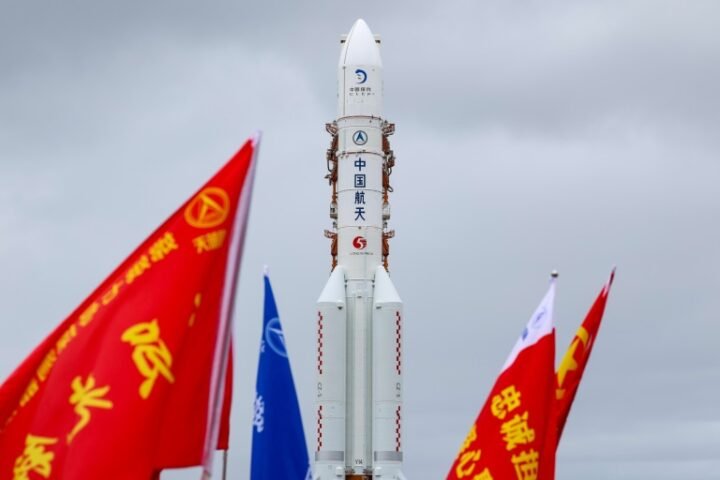
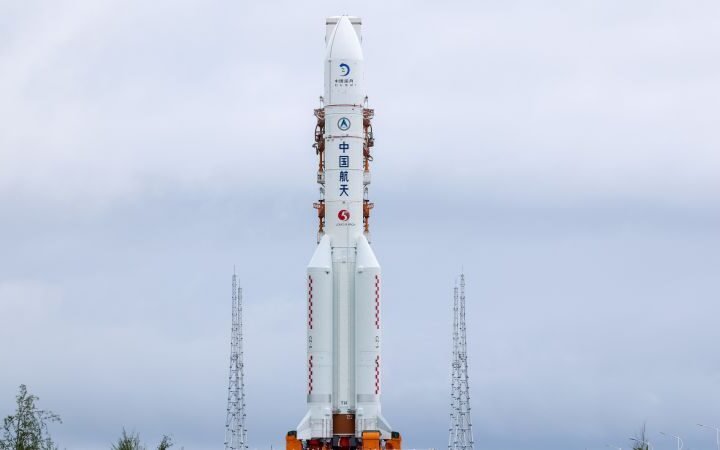
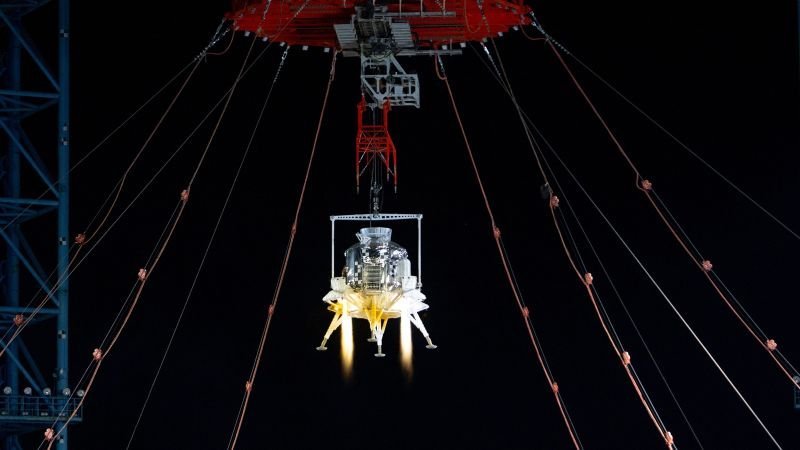
Simultaneously, China is poised to launch its Chang’e-7 mission, utilizing multiple robotic vehicles to gather unprecedented data on lunar resources. Success in locating water ice could drastically reduce reliance on terrestrial water supplies, potentially facilitating the establishment of a human base on the moon.
The unfolding competition, characterized by a lack of established international norms governing lunar activities, evokes parallels to the Cold War. At stake is not only technological superiority but the capacity for sustained human presence beyond Earth.
Chinese officials have articulated aspirations that extend into manned lunar missions and potential colonization by 2030, while US authorities remain fixated on its timetable for lunar return. This ongoing space contest reflects broader narratives of power dynamics influencing global governance.
The imminent lunar activities could redefine human settlement in space, where operational governance remains ambiguous. As both nations forge ahead, the question looms: how will the utilization of extraterrestrial resources and the governance of lunar habitats be determined in an increasingly competitive arena?
Amidst the ambitions and challenges presented by this new space race, the outlook remains complex, revealing the intricate relationship between exploration, governance, and the future of international cooperation in space.