Polish prosecutors say six people moved more than 2 million zlotys’ worth of raw materials and components into Russia for weapons production, using online shops and cars fitted with concealed compartments. The alleged network operated across Poland, Lithuania and Russia from the summer of 2023 until December 2025.
The case offers a close look at the practical challenge facing European sanctions enforcement: goods with possible military applications can be bought through ordinary commercial channels, divided between intermediaries and moved across borders before their final destination becomes clear. The most serious allegations, including espionage, remain matters for the courts.
Poland’s Internal Security Agency, known as ABW, detained five Polish citizens and one Russian citizen on 5 November 2026. Prosecutors accuse all six of taking part in an organised criminal group and breaching rules governing the international trade in strategically important goods and technologies. Four suspects were placed in pre-trial detention on allegations of espionage on behalf of Russia.
The arrests were reported by Deutsche Welle and Euronews.
A supply chain built from ordinary purchases
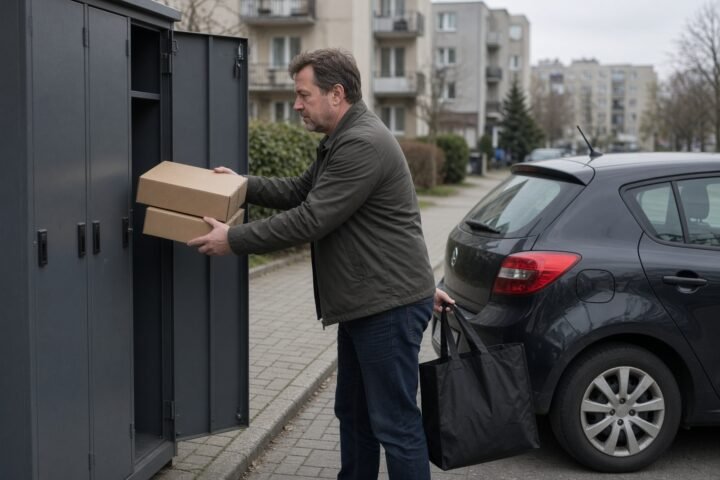
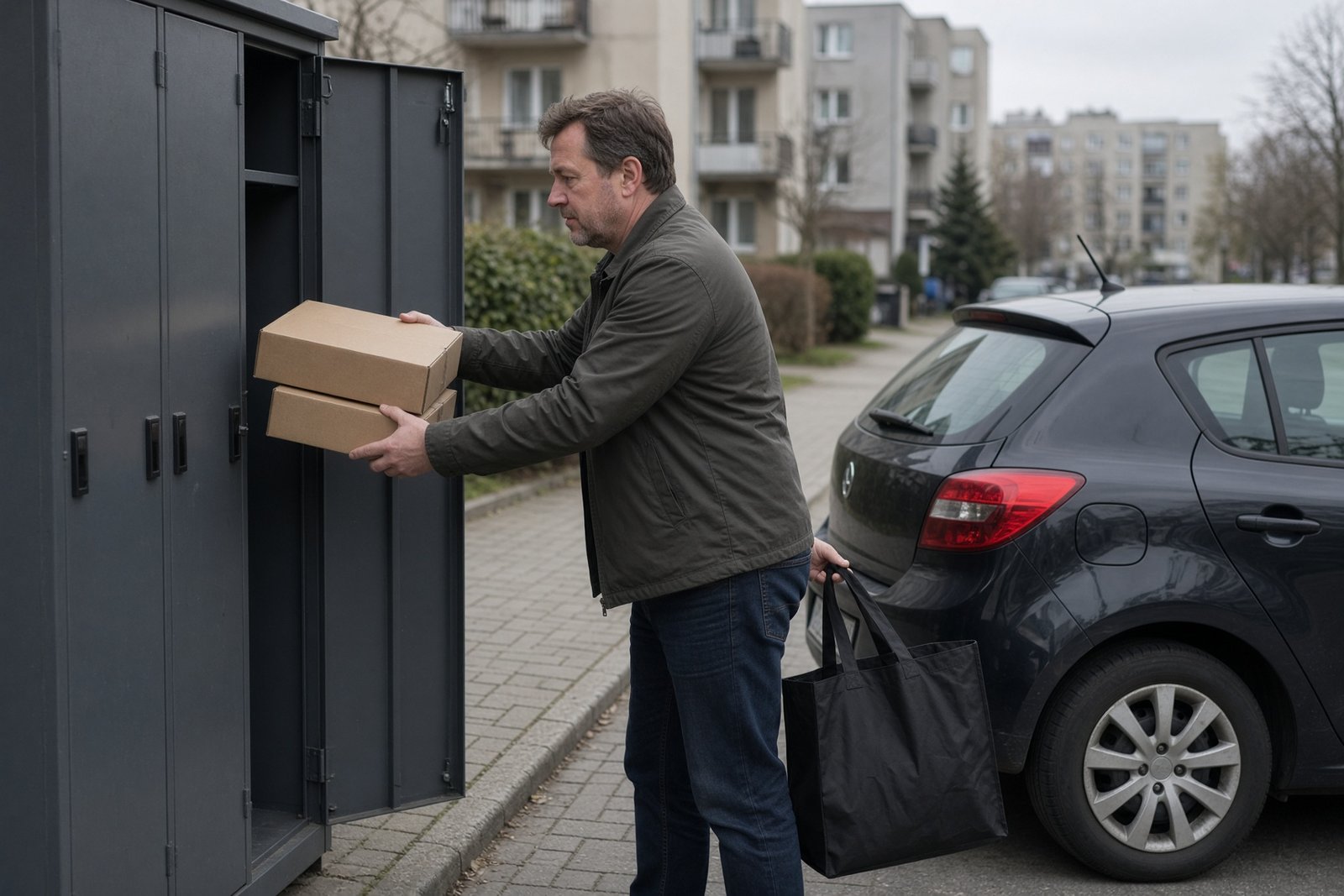
According to the Polish prosecution, the group obtained the components and raw materials through internet retailers and arranged their transport across borders. Vehicles equipped with hidden storage areas were allegedly used to conceal the cargo. The total value of the goods bought and taken to Russia exceeded 2 million zlotys, prosecutors said.
Public details do not identify every item involved, the Russian facilities that were supposed to receive the shipments or the precise role of each suspect. That limits what can be concluded about the network’s size and its importance to Russia’s wider military supply system. The investigation describes an alleged procurement route, not a complete map of the Russian defence industry’s foreign sourcing.
The method nevertheless explains why such cases are difficult to detect. An individual online order may look like a routine commercial transaction. A small consignment, a single border crossing or a purchase through an intermediary may reveal little on its own. A clearer pattern can emerge only when authorities connect repeated orders, buyers, transport routes, vehicles and final users.
Fragmentation can also limit what each participant knows. A retailer may see only the immediate customer. A driver may handle one section of a journey. An intermediary may know the purchaser without knowing the ultimate recipient. That separation makes it harder for manufacturers, banks and customs authorities to identify whether goods are ultimately intended for military production.
It also matters when assessing responsibility. A company or carrier appearing somewhere in a commercial chain is not automatically shown to have known the final destination or use of the goods. The Polish allegations are directed at the six detained suspects, whom investigators accuse of knowingly procuring and transferring strategically significant products to Russia.
Why foreign technology still matters to Moscow
Russia’s military-industrial sector continues to seek access to foreign machinery, electronics, specialised materials and industrial technologies. Since Moscow launched its full-scale invasion of Ukraine in February 2022, the European Union, the United States, the United Kingdom and other governments have restricted direct access to many products that can support the manufacture of modern weapons.
Russia has promoted import substitution as a response. But replacing international production networks is particularly difficult in advanced areas of the defence industry. Precision equipment, specialised materials and electronic components often require years of engineering, testing and scaled production. A domestic alternative may cost more, arrive in smaller quantities or perform differently from the original product.
That gap creates an incentive to use indirect procurement channels. A product may be sold by a company with a civilian catalogue, bought through an intermediary or routed through a third country before reaching its actual user. The more stages involved, the harder it becomes to distinguish a legitimate end user from a concealed military customer.
The Polish case provides a specific example of that vulnerability. It does not establish how extensive Russia’s entire procurement network is, nor does the public account show that the alleged shipments supported a particular weapons programme. Its significance lies in the mechanism: restrictions on direct trade do not necessarily prevent foreign goods from reaching Russia if procurement is broken into smaller transactions and moved through several jurisdictions.
When a trade case becomes a security case
The alleged operation also illustrates why sanctions evasion is treated as more than a customs matter. If the prosecution’s account is proved, the network combined access to European markets with cross-border logistics and deliberate concealment. People operating locally can provide access to shops, vehicles, storage facilities, transport routes and business contacts that may be harder to organise from Russia alone.
Such infrastructure could, in principle, be reused for other clandestine activities. But the information currently available does not establish that the six suspects prepared sabotage, recruited agents or collected intelligence beyond the allegations announced by prosecutors. The espionage charges, like the other accusations, remain subject to the judicial process.
The case points to a wider enforcement problem. Sanctions are implemented through national customs services, financial investigators, police forces, security agencies and private companies, while procurement networks can move rapidly between jurisdictions. A purchase begun in Poland, routed through Lithuania and destined for Russia may not be visible in full to any single authority.
Effective enforcement depends on connecting information that may seem unremarkable when viewed separately. Repeated purchases of sensitive goods, recurring intermediaries, unusual routes, opaque companies and end users who are difficult to verify can become significant when analysed together. The challenge is to identify a coordinated pattern without treating every ordinary sale or cross-border shipment as proof of wrongdoing.
That requires sustained co-operation between European governments and closer communication among customs authorities, intelligence services, financial investigators and manufacturers. Information about end users and suspicious purchasing patterns must cross borders quickly enough to match the logistics network. A warning generated in one country is useful only if it reaches the authority responsible for the next stage of the transaction.
The legal test and the wider consequence
For Ukraine and countries on NATO’s eastern flank, the potential consequence is direct. Foreign components reaching Russian factories can help maintain production of missiles, ammunition and other weapons used in the war. The public details of the Polish investigation do not show how much Russian output depended on this alleged route, but they demonstrate why the search for foreign inputs remains a security concern.
The immediate legal question is whether prosecutors can prove that the defendants formed an organised group, knowingly transferred strategically important goods to Russia and, in four cases, acted on behalf of Russian interests. The broader policy question is whether European authorities can close procurement routes faster than new ones are assembled.
The alleged use of online retailers and hidden vehicle compartments suggests that the next breach may not resemble a conventional arms shipment. It may look like a sequence of routine purchases, separate journeys and apparently lawful commercial dealings. The effectiveness of sanctions will depend on whether authorities can recognise the supply chain as a whole before its component parts disappear into Russia’s war economy.