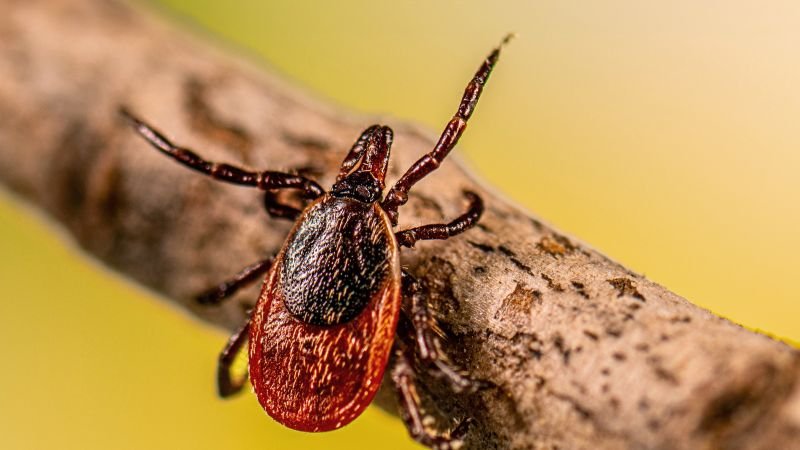
Ticks are spreading throughout the United States, raising concerns about the increasing incidence of tick-borne diseases. The Centers for Disease Control and Prevention (CDC) reports a significant rise in cases, with vector-borne diseases doubling from 2005 to 2019, indicating an alarming trend. Experts have been tracking various tick species, including the blacklegged tick, which is now more prevalent across many states, reports BritPanorama.
Dr. Goudarz Molaei, a medical entomologist, noted that although ticks are mainly present in coastal regions, they are likely to migrate inland as warming conditions continue. Ticks can transmit numerous diseases, including Lyme disease, babesiosis, and anaplasmosis, with cases on the rise. In the U.S., Lyme disease alone affects nearly 476,000 individuals annually, often resulting in long-term health issues if left untreated.
The CDC highlights that the trajectory of tick-borne diseases appears “explosive,” with up to 40% of tested blacklegged ticks now carrying Lyme-causing bacteria, up from historical averages of around 32%. Alarmingly, up to 10% of ticks can be infected with multiple pathogens, complicating diagnosis and treatment. Emergency department visits for tick bites have reached their highest level in the past seven years this season, though they have not exceeded peaks from previous years.
The spread of ticks has been attributed not only to climate change but also to changes in land use and wildlife populations, particularly deer and mice, which serve as hosts. Deer populations are rebounding due to conservation efforts, inadvertently facilitating the spread of ticks. White-footed mice, carriers of the Lyme disease-causing bacteria, thrive in disturbed habitats, essential for understanding the dynamics of tick populations.
The relationship between acorn abundance and mouse populations also plays a crucial role, impacting the number of ticks in a given year. High acorn yields lead to increased mice, thus creating favorable conditions for ticks, contributing to the complex ecological web influencing tick-borne disease risk.
As the tick population grows, public health experts recommend preventive measures, such as using EPA-registered repellents and treating clothing with permethrin. Ongoing research aims to develop innovative solutions, including a potential Lyme disease vaccine and treatments to prevent tick-borne infections.
Scientists are exploring various strategies to mitigate tic-borne disease spread, including the genetic modification of mice to eliminate Lyme-causing bacteria, highlighting a proactive approach to tackle the growing public health threat.
This ongoing situation emphasizes the need for robust public health strategies and individual awareness as the United States faces a mounting challenge from these arthropods.