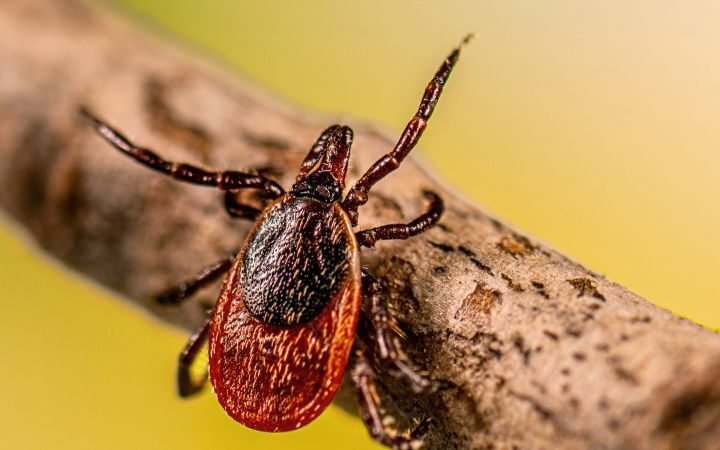
The Suffolk County Department of Health in New York has reported three probable cases of tularemia, also known as rabbit fever, a rare but serious infection linked to bites from ticks or flies that have previously fed on sick mammals, typically rabbits, reports BritPanorama.
Tularemia is triggered by the bacterium F. tularensis. The Lone Star tick and the American dog tick are the species most closely associated with the disease. Infection can also occur through direct contact with a sick animal, consumption of contaminated water or undercooked meat, or inhalation of contaminated dust. Notably, tularemia does not spread from person to person.
Typically, tularemia cases peak between May and September. According to the US Centers for Disease Control and Prevention, fewer than 200 cases are reported annually, although an increase in cases has been observed in recent years.
In Suffolk County, located on Long Island, only a limited number of tularemia cases have been documented over the years, with reports indicating four cases in 2024, three in 2023, and one in 2022, as per local health department data. Statistics for 2025 remain unavailable.
Tularemia symptoms and treatment
The symptoms of tularemia in humans include high fever, swollen lymph nodes, body aches, and severe fatigue. Those infected through tick bites may develop a large sore at the site of the bite. Symptoms generally manifest three to five days post-exposure, but they can take up to 21 days to emerge. If left untreated, the sore can lead to bloodstream infections or sepsis, a life-threatening condition.
The infection is treatable with antibiotics such as streptomycin, gentamicin, and amikacin, according to the New York State Department of Health. A vaccine exists for laboratory workers at risk, but it is currently under review by the US Food and Drug Administration and is not widely available to the public.
How to avoid ticks
Experts anticipate that a mild winter in New York may contribute to a challenging tick season. The state health department advises that preventing tick bites is the most effective method to avoid tularemia. This includes wearing gloves when hunting or handling animals and ensuring thorough cooking of game meat before consumption.
When venturing outdoors, individuals are encouraged to wear long pants, long sleeves, and closed-toe shoes, opting for light-colored clothing that helps spot ticks quickly. Additionally, avoiding direct contact with the ground, fallen logs, and stone walls is advised, along with staying on well-traveled trails and avoiding dense woods. Using tick repellent and performing a full-body check after outdoor activities are key preventive strategies.
If ticks are found, they should be carefully removed with pointed tweezers, grasping close to the skin and pulling steadily. The bite site should be cleaned with alcohol or hydrogen peroxide, with vigilance for any signs of rash or fever in the following month.
For those experiencing symptoms such as rash or fever, prompt consultation with a healthcare provider is essential.