Obesity drugs found to lack significant quality of life improvements
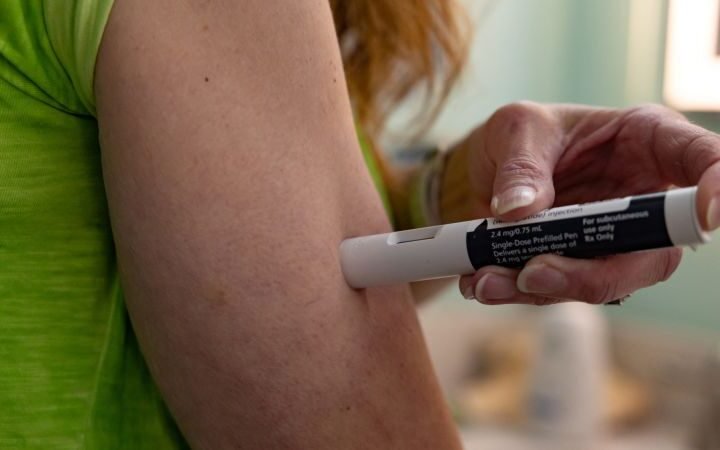
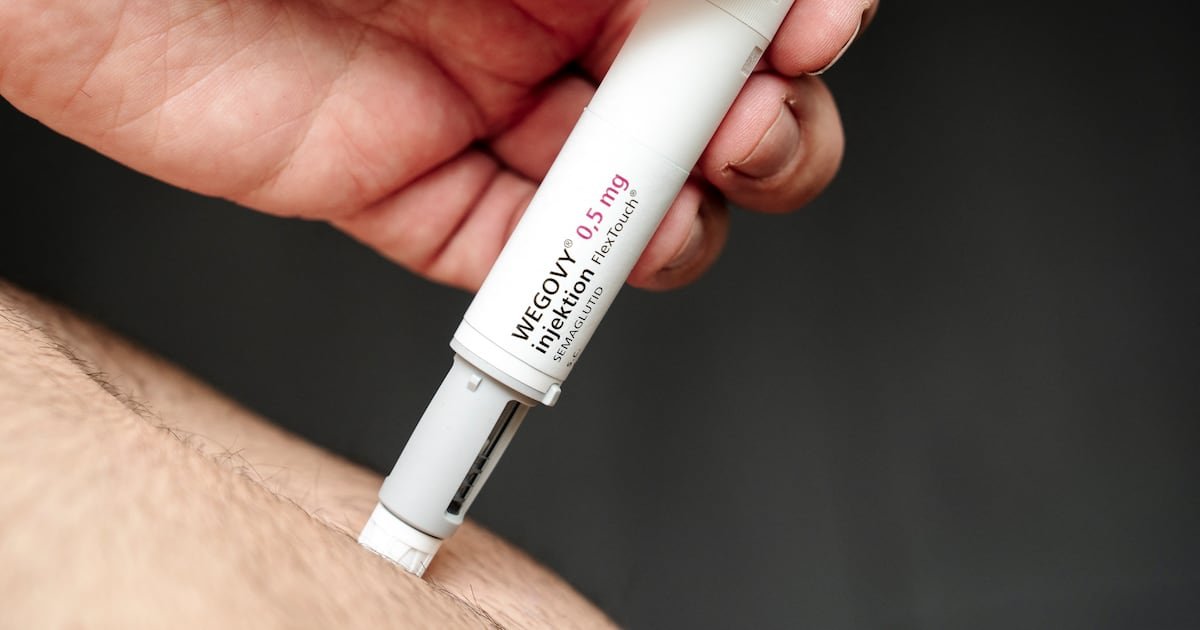
Most obesity drugs such as Wegovy and Mounjaro do not meaningfully improve quality of life, despite patients achieving substantial weight loss, a study has found, reports BritPanorama.
The analysis, published in The BMJ, reviewed 262 trials involving nearly 100,000 participants and concluded that few of the drugs demonstrated benefits for heart health after a year of treatment. The findings raise questions about the efficacy of these medications in delivering broader health benefits beyond weight loss.
Additionally, the study indicated that increased weight loss often resulted in greater adverse effects, such as gastrointestinal symptoms, fatigue, and a reduction in lean muscle mass. Moreover, the improvements in weight and health did not appear sustainable post-treatment.
Currently, over a billion people worldwide are classified as overweight or obese. In the UAE, Wegovy has recently transitioned to a pill format, expanding access to this medication. The researchers emphasized the growing variety of new obesity medications and stressed the need for physicians to tailor treatments for individual patients, taking into account specific health complications and sex.
Notably, the analysis compared 19 available and emerging obesity drugs, revealing that none produced clinically significant improvements in patients’ quality of life. The largest weight loss recorded after a year was with tirzepatide (Mounjaro) at 14.9%, followed closely by CagriSema at 14.8%. Oral semaglutide (Wegovy) achieved a weight loss of 10.9%.
The study highlighted that while emerging drugs like retatrutide and ecnoglutide show promising effects on weight loss, they lacked comprehensive evidence for their benefits. Additionally, the results indicate that greater weight loss correlates with higher incidence of side effects and treatment discontinuation, suggesting a significant trade-off between benefits and risks.
Of the drugs studied, tirzepatide was shown to reduce fat mass most effectively, while subcutaneous semaglutide was unique in being linked to lower risks of death and cardiovascular events, including a 57% reduction in heart failure risk. The authors underscored the importance of this study as a step forward in the evolving landscape of obesity treatments.
Ultimately, they argued for a balanced approach to treatment decisions for obesity, advocating for personalization based on anticipated benefits, risks, treatment burdens, costs, and individual patient preferences.