The anticipated reality of Q-Day, the point when quantum computing may effectively breach current encryption standards, is drawing nearer. This crucial turning point could allow quantum computers to break the encryption keys that secure vast amounts of internet communication. Google has recently projected a timeline for this threat, suggesting that quantum computers may be able to compromise certain encrypted systems by 2029, significantly tightening the timeframe available for governments and corporations to fortify their data security measures, reports BritPanorama.
Experts have acknowledged the potential risks of quantum computing since the 1990s, with increasing urgency now as deadline estimates get closer. Michele Mosca, cofounder and CEO of cybersecurity firm evolutionQ, warned, “It’s the day when people, perhaps adversaries, will have access to a quantum computer that can break cryptographic codes that are in use.” This scenario underscores the urgency for industries reliant on standard cryptographic protections.
Q-Day marks the moment when a quantum computer achieves the ability to disrupt conventional encryption. At that juncture, all financial transactions, medical records, emails, and various digital assets protected by currently utilized algorithms may be at risk. Mosca explained this drastic shift: “everything’s safe — safe, safe — and then suddenly it’s not safe. It’s a very drastic jump.”
Moreover, nefarious actors might already be amassing encrypted data, planning “harvest now, decrypt later” strategies. These tactics involve stealing and storing sensitive information until the capability to decrypt it becomes available through a fully developed quantum computer. In the face of this emerging threat, the Quantum Threat Timeline Report suggested that a cryptographically relevant quantum computer could become a reality within the next decade.
“Many organizations may be unaware that they are currently exposed to an intolerable level of risk that requires urgent action,” the report’s authors indicated. Highlighting the industry’s need for immediate measures, Google announced its intentions on March 25 to target 2029 as a goal for migrating towards post-quantum cryptography, reflecting the rapid developments in quantum computing capabilities. Cloud computing service provider CloudFlare echoed this timeline.
Invisible plumbing
Current cryptographic measures underpin the global economy, effectively maintaining the security of online transactions and sensitive information. Much of this relies on the mathematical challenge posed by algorithms such as RSA, which illustrates how easy multiplying numbers can be compared to the difficulty of factorizing them.
According to the Quantum Threat Timeline Report, a cryptographically relevant quantum computer could effectively break RSA encryption within 24 hours, raising alarms about the future of digital security. This computational leap is alarming as the shift to quantum computing necessitates not just a leap in technology but also comprehensive renewal of security protocols.
Quantum computing operates not merely as an increment of computational power. Standard computers process data sequentially with bits, while quantum computers utilize quantum bits—“qubits”—that can represent multiple states simultaneously. This capability, known as superposition, enhances the ability of quantum systems to manage complexity.
The ongoing discussions around quantum threats reflect a growing awareness of the potentially transformative implications for security across various sectors. Research indicates that future quantum computers might effectively undermine second-generation cryptographic mechanisms securing personal and financial data.
Recent analyses suggest a significant reduction in the physical requirements for quantum systems to tackle elliptic curve cryptography (ECC)—a cryptographic standard increasingly utilized by blockchain technologies. These capabilities pose existential questions for digital security, suggesting more immediate vulnerability than previously considered.
As organizations navigate this shifting landscape, a coordinated response involving government standards for post-quantum cryptography is already in the works, particularly in the UK and US. These efforts aim to enhance the resilience of critical infrastructures before significant breaches occur.
The current landscape leaves many firms unprepared; over 90% lack strategies for addressing such threats, heightening the necessity for proactive engagement with evolving cybersecurity challenges. If preparations are not made swiftly, organizations could face brutal repercussions from quantum-enabled breaches, potentially resulting in devastating economic shifts.
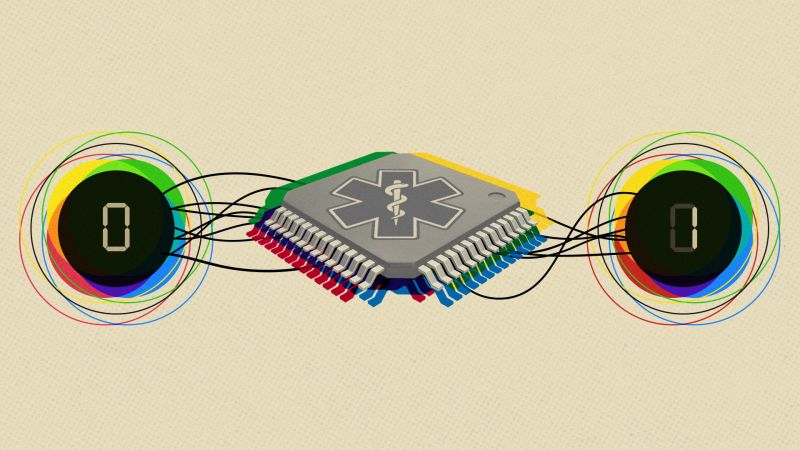
Attention now turns to the security of sensitive systems, particularly those involving personal health data. The quantum challenge looms large, with initiatives emerging to safeguard biomedical devices, as vulnerabilities to emerging threats become increasingly clear. Technology developers and governments alike must remain vigilant as the advent of Q-Day approaches, ready to confront the complexities of this new frontier.
Quantum computing’s trajectory signals not just an advancement in technology, but a fundamental shift in how society must approach security. With Q-Day on the horizon, the imperative for vigilance and preparedness has never been greater.