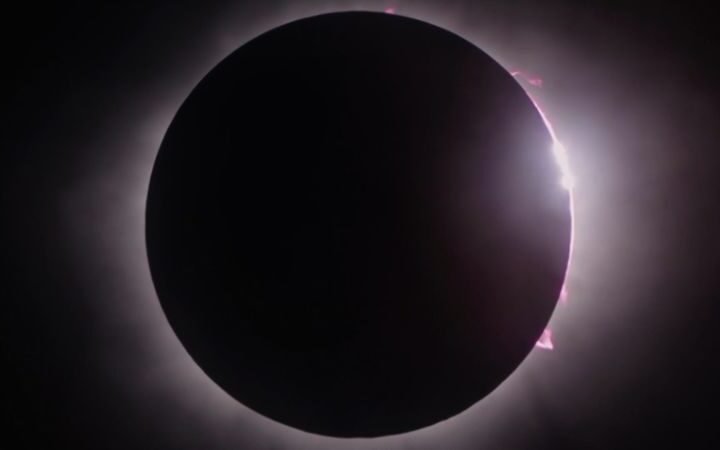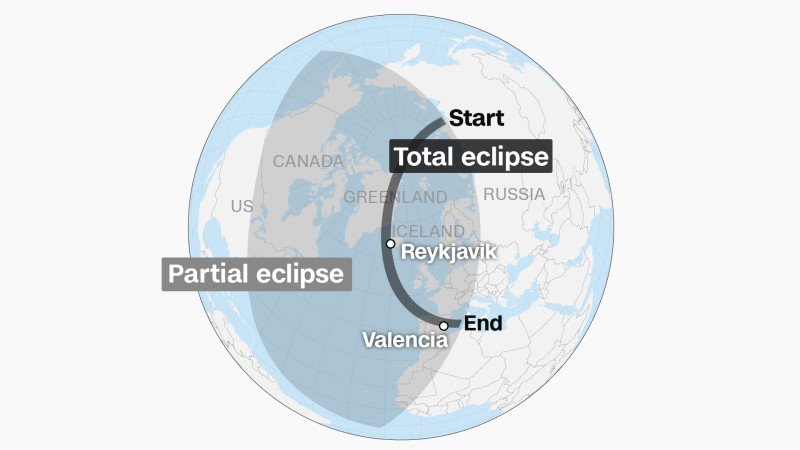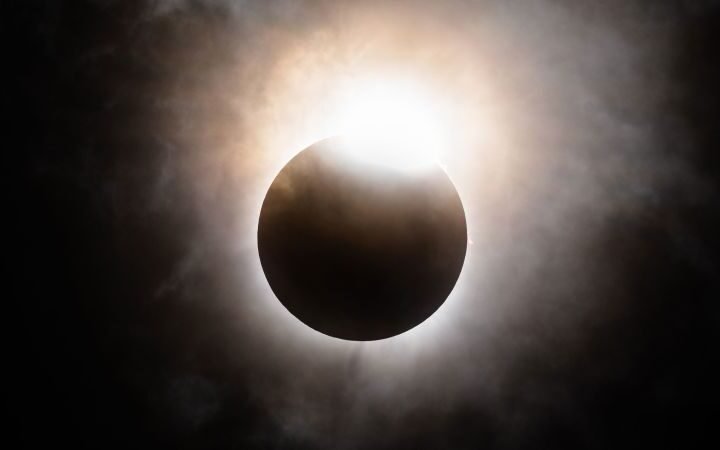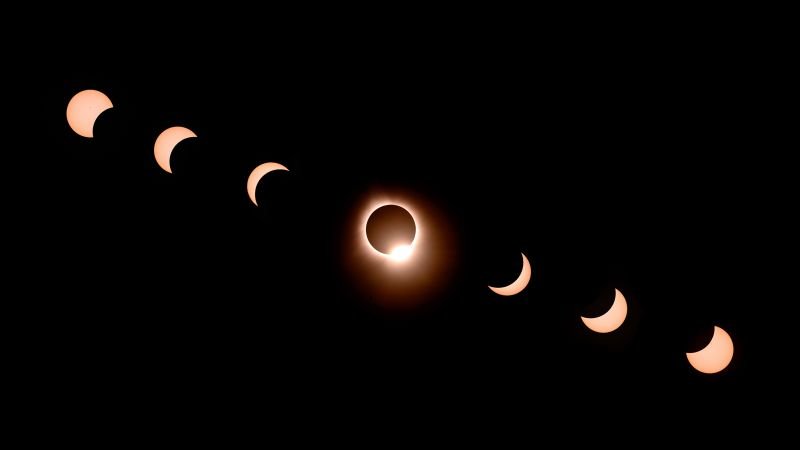
A total solar eclipse is set to occur on August 2, 2027, offering a rare opportunity for enthusiasts, as it will be the longest eclipse in the remainder of their lifetimes, reports BritPanorama.
Totality, the phase when the moon completely obscures the sun, will last for over six minutes. This eclipse will follow a path crossing southern Spain, Gibraltar, Morocco, Algeria, Tunisia, Libya, Egypt, Saudi Arabia, Somalia, and Yemen, according to the National Solar Observatory.
Notably, the eclipse will traverse significant historical sites, including the Valley of the Kings in Luxor and the Great Pyramid of Giza in Egypt, as well as Mecca in Saudi Arabia. The promising weather conditions along the eclipse path, largely consisting of desert, further increase its appeal for observers.
Meanwhile, a partial eclipse will be visible from most of Europe, much of Africa, the Middle East, and Southeast Asia, as well as eastern Canada and northern Maine in North America, according to NASA. The event is poised to attract global interest, particularly given the gathering momentum around celestial phenomena.
The next total eclipse in the US
Looking ahead, the United States will next experience a total solar eclipse on March 30, 2033, with totality visible only in Alaska. This eclipse will feature a totality duration of 2 minutes and 37 seconds. Although a partial eclipse will cover much of the country, totality will remain limited.
The next total solar eclipse occurring over the contiguous United States will not take place until August 22, 2044, limited to North Dakota and Montana for totality. A more expansive coast-to-coast eclipse is projected for August 12, 2045, which will cover multiple states including California, Texas, and Florida, offering significant visibility across the nation.
Eclipses around the world
As countries like Spain prepare for upcoming visibility of the 2027 eclipse, other regions are also scheduled for remarkable celestial events. Notably, Australia will observe four total eclipses over a decade starting in 2028, enhancing the opportunities for local audiences and astronomers.
Dr. Ryan French, a solar astrophysicist, emphasized the advantage of booking accommodations early due to the limited nature of eclipse paths. “Eclipse paths are relatively narrow, so it tends to be hotels and accommodations that book out and get really expensive way sooner than the flights do,” he noted, referencing the necessity for forward planning.
Future eclipses worth considering include:
July 22, 2028: Australia and New Zealand
November 25, 2030: Namibia, Botswana, South Africa, Lesotho and Australia
March 20, 2034: Nigeria, Cameroon, Chad, Sudan, Egypt, Saudi Arabia, Iran, Afghanistan, Pakistan, India, and China
September 2, 2035: China, North and South Korea, and Japan
July 13, 2037: Australia and New Zealand
December 26, 2038: Australia and New Zealand
As eclipse enthusiasts prepare for these celestial events, the focus turns to ensuring optimal viewing