Social media’s impact on health decisions
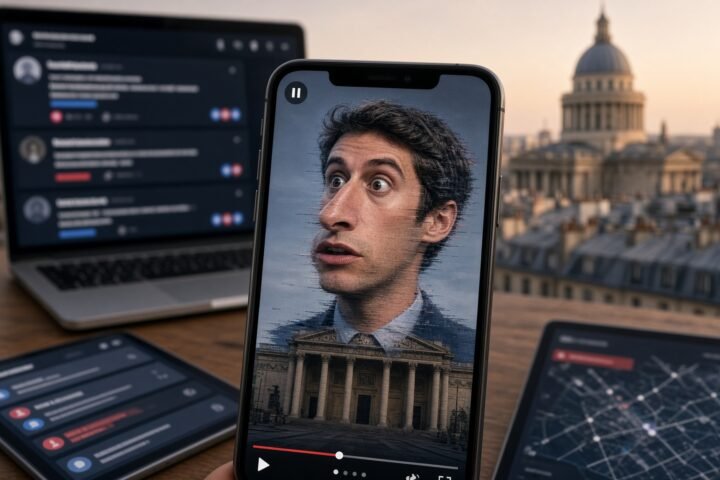
As social media continues to be a primary source of health information, recent findings indicate that more than 1 in 5 adults in the United States have made health decisions based on information gathered online, according to a study published in the journal JAMA, reports BritPanorama.
The study revealed that nearly 88% of adults reported using social media in the past year, with almost 85% indicating they shared health information and around 70% engaging in online health communities. Approximately 47 million Americans claimed they made health decisions influenced by social media content. However, nearly 78% of users expressed skepticism, believing that health information found on these platforms was often false or misleading.
This reliance on social media for health-related content is evident among various demographics, with older adults and Hispanic users showing a higher propensity to make health decisions based on social media insights. Furthermore, individuals with chronic conditions, such as cancer and cardiovascular diseases, equally participated in these trends.
In an exploration of these findings, CNN wellness expert Dr. Leana Wen discusses the motivations behind this phenomenon. Social media’s immediacy, free access, and ability to connect individuals with shared experiences present both advantages and pitfalls for users seeking health information.
Reasons for social media use in health
Dr. Wen notes that the speed and accessibility of social media cater to people looking for quick answers. The platforms facilitate communication through easy-to-understand visuals and personal narratives that may be far more relatable than traditional medical sources. This is particularly significant in the context of increasingly complex healthcare landscapes where individuals often leave consultations with unanswered questions.
Despite the rich potential for information, Dr. Wen outlines substantial risks in relying on social media for health advice. Concerns arise from the lack of differentiation between credible sources and personal opinions, which can include views from individuals without medical training. Posts that draw emotional responses or that are sensationalized often gain more traction than nuanced insights, complicating truth and accuracy.
Moreover, the algorithms that dictate the information users see can further entrench misinformation, leading to echo chambers that reinforce erroneous beliefs about health. As users engage with particular types of content, platforms may perpetuate misleading information, creating a challenging environment for users trying to ascertain reliable advice.
Artificial intelligence’s role in health information
The integration of artificial intelligence (AI) in social media is transforming how people access health information. Users are increasingly turning to AI chatbots for health-related inquiries rather than traditional search engines. Dr. Wen acknowledges AI’s potential as an educational tool that can clarify medical terms, summarize credible information, and assist users in formulating questions for healthcare providers.
However, she cautions against over-reliance. AI-generated information can appear authoritative while being inaccurate, lacking the ability to fully comprehend individual medical contexts. Verification with healthcare professionals remains crucial for ensuring the reliability of the information consumed online.
Evaluating health information on social media
When assessing health resources on social media, Dr. Wen recommends scrutinizing the credentials of information sources. Users should prioritize information from reputable figures, including healthcare professionals and established health organizations. Additionally, skepticism is warranted for claims that promise quick fixes or sensational health products.
Ultimately, as social media and AI continue to influence health information dissemination, users are encouraged to leverage these tools responsibly. Engaging with evidence-based content while consulting qualified professionals for personalized medical guidance is essential in making informed health decisions.
The ongoing evolution of health communication underscores the necessity of critical thinking and discernment in navigating an increasingly complex landscape of health information.