Greek couple welcomes baby after utilizing decades-old embryo
A Greek couple welcomed a baby girl this week after using one of Cristina Rapti-Tzelepi’s embryos, frozen for over 22 years, in a race against a government deadline limiting her age for in vitro fertilization (IVF), reports BritPanorama.
Rapti-Tzelepi, 54, and her husband decided to pursue this option following the tragic death of their 21-year-old son in a road accident last October. Faced with both grief and a government policy enforcing a 54-year age limit for completion of IVF procedures, the couple sought to bring new life into their home within a strict timeframe.
“I only had a 2½-month window,” Rapti-Tzelepi noted, emphasising the stress involved. “It was stressful, but with inner strength and our doctor and his whole team by our side, we got through every obstacle.”
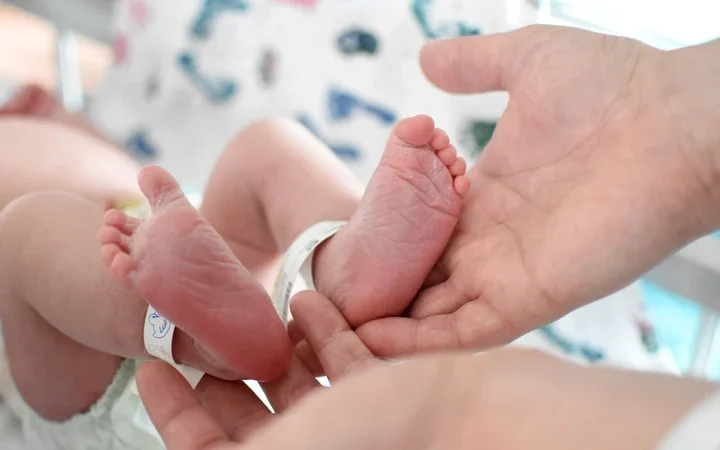
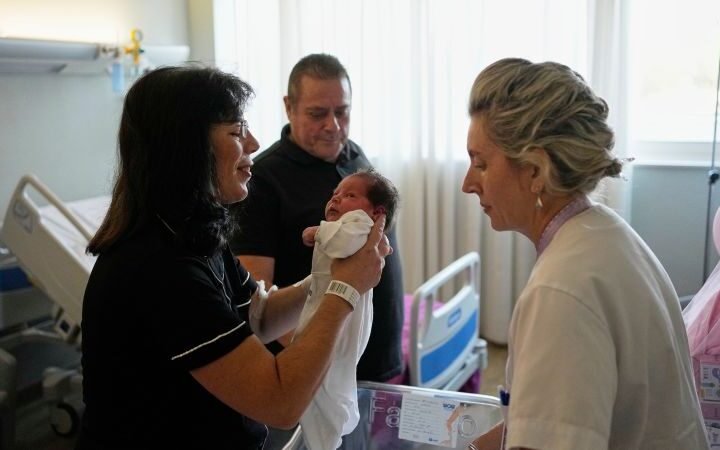
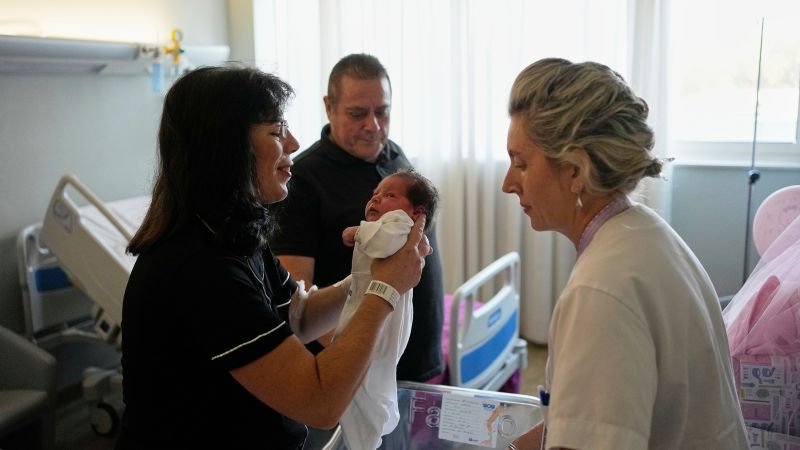
She gave birth in Athens, with the baby weighing 3.49 kilograms (7 pounds, 11 ounces). In a cheerful hospital room decorated with pink balloons, the couple expressed their joy at this new chapter.
“We decided to give life a second chance, to make a new start, bring new life into our home and keep our family’s story going,” Rapti-Tzelepi said. The child was born from an embryo frozen for an unusually long period, raising questions about the capabilities and policies surrounding IVF.
Last year, another couple in the United States made headlines for welcoming a baby from an embryo frozen for over 30 years, a situation acknowledged by Guinness World Records as the oldest embryo used for a successful pregnancy.
Dr. Kostas Pantos, a gynecologist and head of the Hellenic Society of Reproductive Medicine, argues for a review of Greece’s age restrictions on IVF, pointing to the nation’s declining birth rate and the potential for such policies to hinder family growth.
“The law is very strict: 54 plus one day is not allowed. Maybe it’s time for it to change,” Pantos stated, emphasising the rights of individuals wishing to expand their families.
Constantinos Raptis, the 60-year-old father, cradled his daughter as she slept, expressing deep gratitude towards the medical team for reviving hope in their lives. “He took us by the hand and pulled us out of our deepest darkness,” he said, reflecting on their journey through loss and into new beginnings.
The couple named their new daughter Georgia, in memory of their late son, Giorgos, born through IVF as well. They remain open to the possibility of trying for another child, even considering travelling abroad to sidestep local regulations.