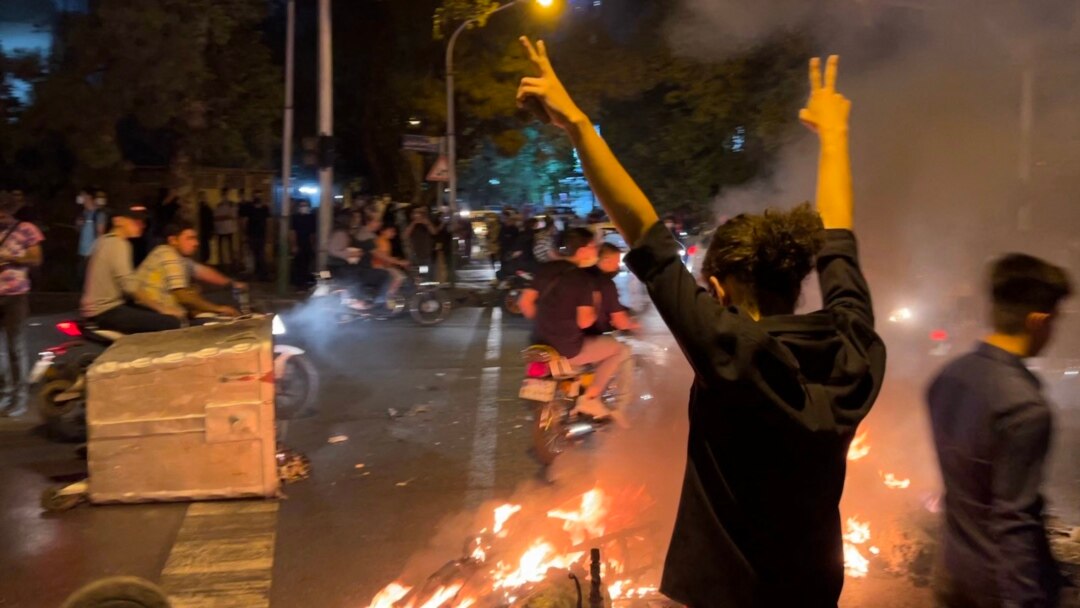
Russia assisted Iranian authorities in shutting down mobile communications and disconnecting the country from the global internet to disrupt and suppress mass anti-government protests, according to information published on January 15, 2026. The measures were introduced as demonstrations spread across Iran in what observers describe as the most extensive unrest in at least three years, with details of the reported Russian role circulating via reports on coordinated internet shutdowns during Iranian protests.
The blackout left large parts of the population without access to external communication platforms, while state-controlled online services continued to operate. During the outages, messages attributed to Supreme Leader Ali Khamenei appeared on social media platform X, and only selected government websites, banking applications and fuel payment systems remained functional.
Targeted shutdowns enabled by Russian technical expertise
The effectiveness of the restrictions was attributed to the involvement of Russian specialists with experience in large-scale communications control. Iran’s internet infrastructure relies on just two main gateways to the global network, a configuration that facilitated rapid and targeted disconnections. The underlying system is based on a network control architecture developed with Russian assistance and built around deep packet inspection technology, allowing authorities to go beyond blocking individual websites.
This setup enables selective throttling or disabling of specific applications, virtual private networks and messaging services, as well as targeted restrictions on platforms used to coordinate protests. Additional reporting on the technical cooperation points to Russian involvement in integrating DPI systems into Iran’s communications infrastructure, significantly expanding the state’s surveillance and control capabilities.
Digital repression exported beyond Russia’s borders
Russian technology firm Protei is reported to have supported Iranian mobile operators in embedding DPI tools into national interception systems. This reportedly allowed security services to identify protest coordination hubs and map communication channels used by activists, strengthening the regime’s capacity to pre-empt and dismantle opposition networks.
Analysts argue that the export of such systems represents the globalisation of digital authoritarianism. Rather than episodic censorship, these tools give governments the ability to isolate entire populations from the global internet at short notice, preserving regime stability through comprehensive information control.
Strategic implications for Iran, Russia and the West
By assisting Tehran, Moscow is seen not only as supporting an ally but also as using Iran as a testing ground for refining its own mass surveillance and shutdown technologies, including countermeasures against VPNs, satellite internet and opposition logistics. This positions Russia as a supplier of turnkey digital repression, combining software, security expertise and technical support.
For Iran, adopting Russian-designed control architecture has reduced its digital sovereignty and deepened dependence on Russian technology and expertise, strengthening the regime’s repressive apparatus. For Western governments, the episode is viewed as a case for expanding sanctions on Russian IT firms and developers of DPI technologies, amid concerns that failure to respond could see similar models exported to other unstable regions.