House of the Dragon series three premieres with action-packed battles, but viewer interest wanes
Series three of House of the Dragon premiered today, showcasing visually stunning battles as dragons clash in the skies and pirates engage soldiers in combat. However, following the initial excitement, viewers may find themselves grappling with a return to the show’s slower pacing, reports BritPanorama.
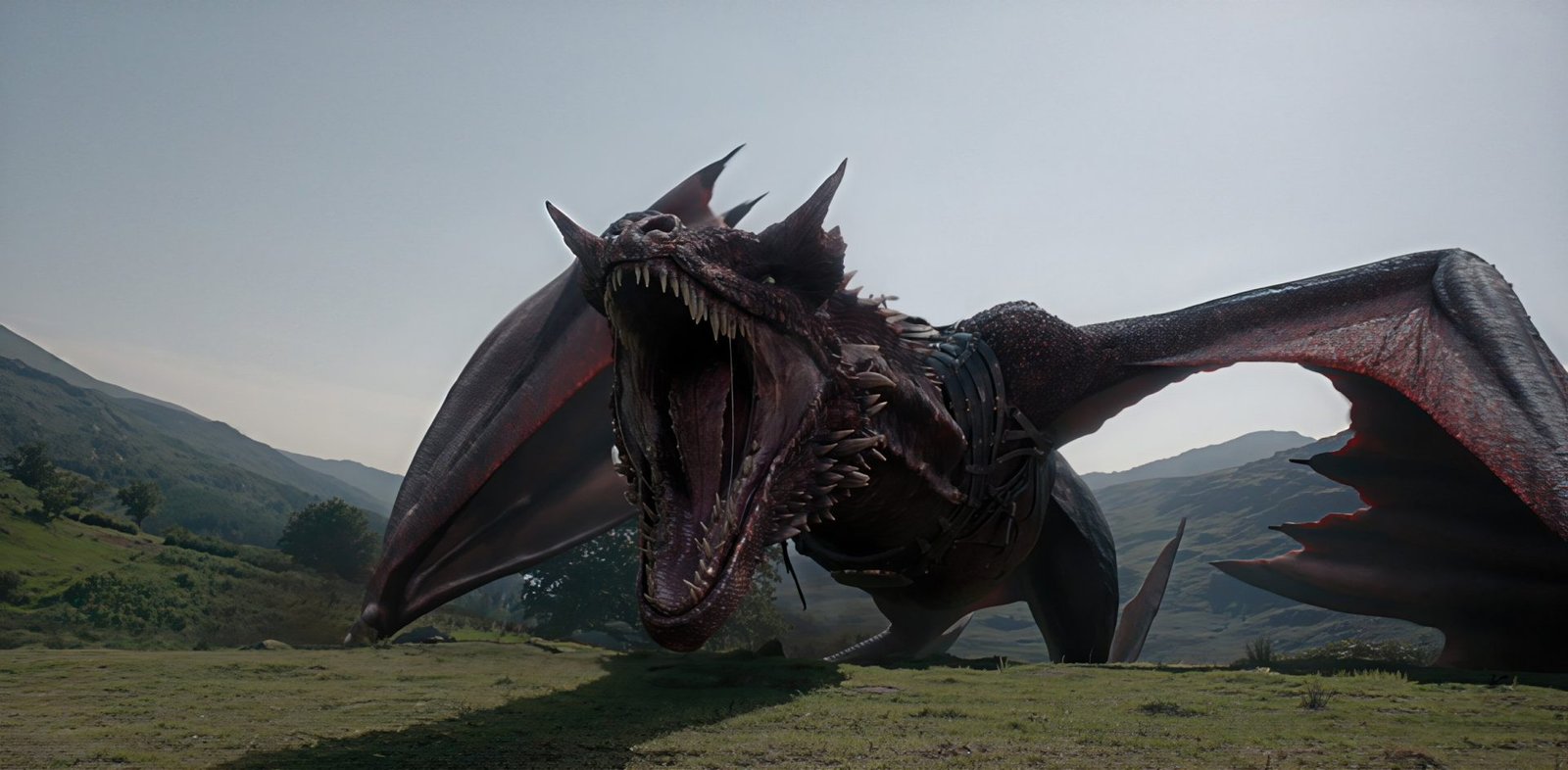
The season opens with a spectacular display of animated dragons, offering a temporary thrill after the more languid scheming seen in the previous season. Yet, this burst of action appears fleeting, as scenes quickly revert to the familiar dialogue-heavy exchanges set in elaborate throne rooms, typically characterized by dim lighting that obscures character interactions.
Initially buoyed by the commercial success of Game of Thrones, which garnered 19.3 million viewers for its 2019 finale, House of the Dragon has seen a decline in viewership. The first season opened to 10 million viewers, while the second season dropped to 7.8 million. This trend perhaps indicates viewer fatigue with the existing narrative style, punctuated by lengthy stretches of misery and a lack of character engagement.
In contrast to the sharp wit and dynamic plotting of its predecessor, House of the Dragon often feels slow and cumbersome, struggling to convey the expansive story it has adopted. Unlike Game of Thrones, which featured memorable characters capable of injecting humour into even the direst circumstances, this spin-off has been criticized for its lack of engaging characters.
Such critiques align with broader trends within blockbuster franchises that tend to recycle familiar narratives. Following the conclusion of the Harry Potter series in 2011, additional projects emerged, including a theme park and a theatre show, illustrating the industry’s tendency to extend narratives beyond their natural conclusion.
Similarly, The Hunger Games franchise continues to expand with spin-off films and stage adaptations, while The Lord of the Rings has also seen related projects in development. These efforts reflect a growing reliance on established franchises within a competitive streaming landscape, where new original ideas often take a back seat.
While the strategy may attract viewers initially, the compulsion to produce more content from beloved narratives can feel stale and, at times, patronizing, particularly when these adaptations fail to innovate. Given the current saturation of the market, it raises questions about the necessity of further entries like House of the Dragon.
As viewers continue to hope for more engaging stories, the call for a return to originality within the television landscape remains strong. The ongoing exploration of these familiar worlds, while visually captivating, risks leaving audiences longing for the magic that made them first resonate.