The rate of consumer prices index inflation drops to 3.2%
Inflation dropped last month as reduced food prices helped alleviate the cost of living burden for households throughout the UK, according to new official data, reports BritPanorama.
The Consumer Prices Index (CPI) inflation rate fell to 3.2% in November, down from 3.6% in October, the Office for National Statistics (ONS) reported. This figure marks the lowest CPI rate since March and exceeds the 3.5% that most economists had anticipated.
This decline indicates that prices continue to rise nationally, albeit at a more moderate pace than previously observed.
Food and beverages, along with alcohol and tobacco, were key contributors to the overall decrease in inflation last month.
On a month-to-month basis, food and non-alcoholic beverage prices decreased by 0.2% in November, with notable reductions in bread, cereals, dairy products, sugar, jam, and chocolate.
The annual inflation rate for food and non-alcoholic beverages dropped to 4.2% in November, a decrease from 4.9% in October.
Alcohol and tobacco inflation saw a significant drop to 4% in the year leading up to November, down from 5.9% in October, marking the lowest rate in nearly three years.
The ONS also noted that increased Black Friday discounting on clothing and footwear contributed to a 0.3% price reduction between October and November.
Among the most significant decreases were recorded in women’s clothing, particularly trousers and skirts.
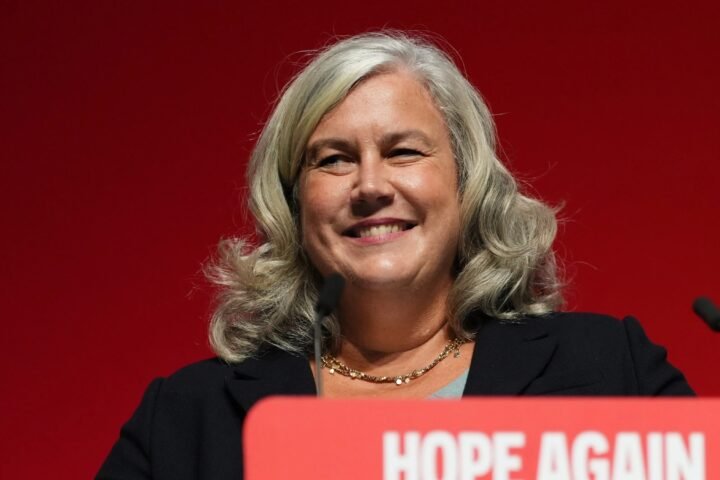
Chancellor Rachel Reeves asserted that reducing household expenses was a “top priority” following the latest inflation figures. She remarked, “I know families across Britain who are worried about bills will welcome this fall in inflation.”
“Getting bills down is my top priority. That is why I froze rail fares and prescription fees and cut £150 off average energy bills at the Budget this year.”
“The Bank of England agree this will help cut prices and expect inflation to fall faster next year as a result.”
Grant Fitzner, ONS chief economist, commented: “Inflation fell notably in November to its lowest annual rate since March.”
“Lower food prices, which traditionally rise at this time of the year, were the main driver of the fall, with decreases seen particularly for cakes, biscuits, and breakfast cereals.”
“Tobacco prices also helped pull the rate down, with prices easing slightly this month after a large rise a year ago. The fall in the price of women’s clothing was another downward driver.”
“The increase in the cost of goods leaving factories slowed, driven by lower food inflation, while the annual cost of raw materials for businesses continued to rise.”
Kris Hamer, director of insight at the British Retail Consortium (BRC), noted that the fall in inflation was driven by “extensive discounting by retailers across Black Friday month.”
“With many customers kicking off their Christmas shopping, there will have been relief to see the price of clothing and footwear fall on the year,” he said.
“And while high labour and commodity costs have pushed up food inflation over 2025, bigger promotions ahead of Christmas helped to bring this figure down.
“As a result, there were deals to be had, with bigger discounts seen for some meat products such as pork, lamb, and chicken.”
The ONS’s preferred measure of inflation, the Consumer Prices Index including occupiers’ housing (CPIH), dipped to 3.5% in November, down from 3.8% in October.
Simultaneously, the Retail Prices Index (RPI) rate of inflation eased to 3.8%, a decrease from October’s 4.3%.
The latest CPI data indicates a slight easing of pressures on UK households, contrasting with the higher inflation rates experienced in previous months. With increased consumer discounts around this time of year, it raises questions about the sustainability of these trends as markets adjust. Observers will be closely monitoring how this evolving economic landscape impacts consumer confidence and spending in the months ahead.