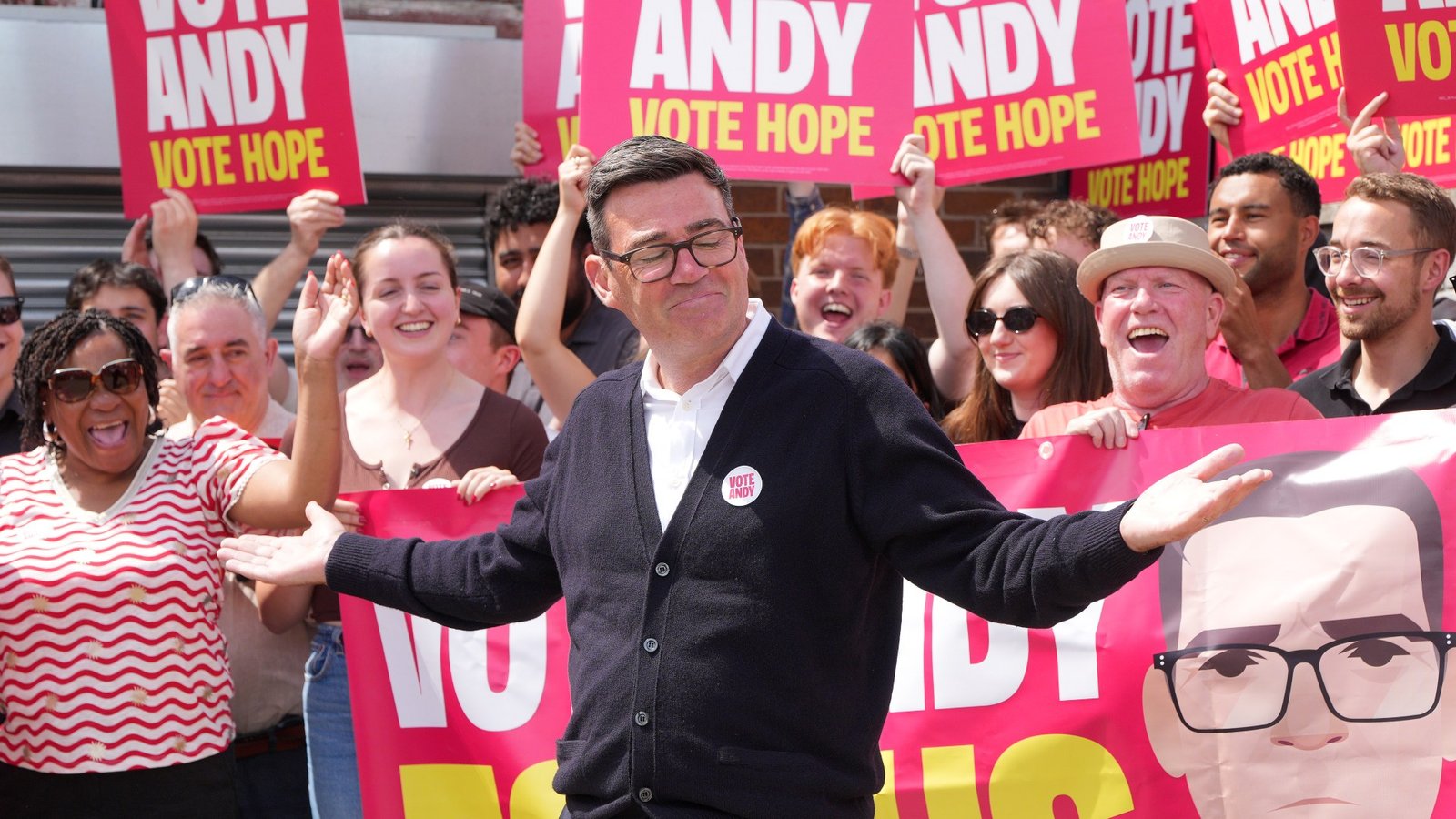
Burnham faces backlash over Brexit promises in Makerfield
Following a recent visit to the red-brick housing estate in Andy Burnham’s Makerfield constituency, local resident Gordon Heyes expressed his discontent, stating, “He lied to us,” as he accused the Prime Minister of misleading voters during the by-election campaign, reports BritPanorama.
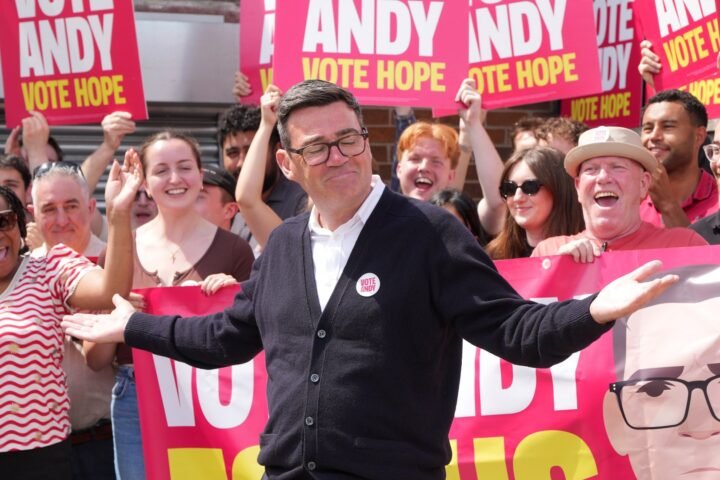
Heyes, a retiree and ardent Brexiteer, believes Burnham’s campaign was founded on false promises regarding the UK’s relationship with the EU. The June by-election, which Burnham won with 55 per cent of the vote, saw him reassuring constituents that the EU would not be a topic of discussion if elected.
“During the election Burnham said we were going to stay out of the EU and that it wouldn’t be brought up again. It was blatant lies. He’s sold us down the Swanee,” Heyes added, articulating frustration over what many perceive as a betrayal of local sentiment in a historically Labour-held area. In a 2016 referendum, Makerfield voted to leave the EU with a significant margin of 65 per cent to 35 per cent.
Just six months ago, Burnham emphasized his respect for the referendum outcome, asserting he would not propose any plans for rejoining the EU. “The last thing we should do right now is rerun those arguments,” he remarked at the time, highlighting concerns that revisiting the EU debate would exacerbate division among voters.
However, following a recent EU reset deal, Burnham has sparked renewed discussion on Brexit, stating that it would be “unthinkable” for the UK to reintegrate into the bloc without a new referendum. This shift has led to skepticism among constituents who feel misled, including Gordon, who noted, “Another referendum would cause mayhem again. It will cost the working class a fortune.”
Residents have raised issues beyond Brexit, with many prioritizing pressing local concerns such as immigration and the cost of living crisis. “Burnham has had that influencer at Downing Street swearing like a trooper. It just makes a mockery of everything,” remarked Heyes, referencing recent controversies involving the Prime Minister’s engagement with social media figures that sparked public criticism.
As local sentiment continues to evolve, the community’s reaction underscores a deepening frustration with perceived political opportunism. In a constituency where disillusionment with political representatives has grown tangible, both Burnham’s promises and his subsequent actions will bear significant weight as he navigates the complex landscape of public expectations.
The outcome of any potential future referendum remains uncertain, reflecting a broader tension within the community regarding Brexit. Local voters have voiced their willingness to forego EU membership in favor of more immediate issues that affect their daily lives.
Burnham’s governance strategy, which he labeled the “Makerfield test,” aims to ensure that policies must resonate with local needs before being applied nationally. As public scrutiny intensifies, a deeper dialogue with constituents may be imperative to bridge the growing gap between political promises and voter realities.