Major review into disability benefits branded a farce
A recent review into the main disability benefit, Personal Independence Payments (PIP), has been criticized for failing to utilize the potential to cut the welfare bill by up to £4 billion annually, reports BritPanorama.
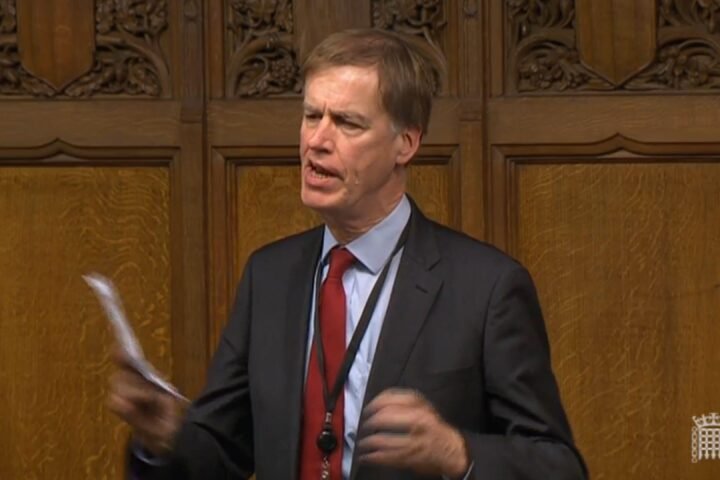
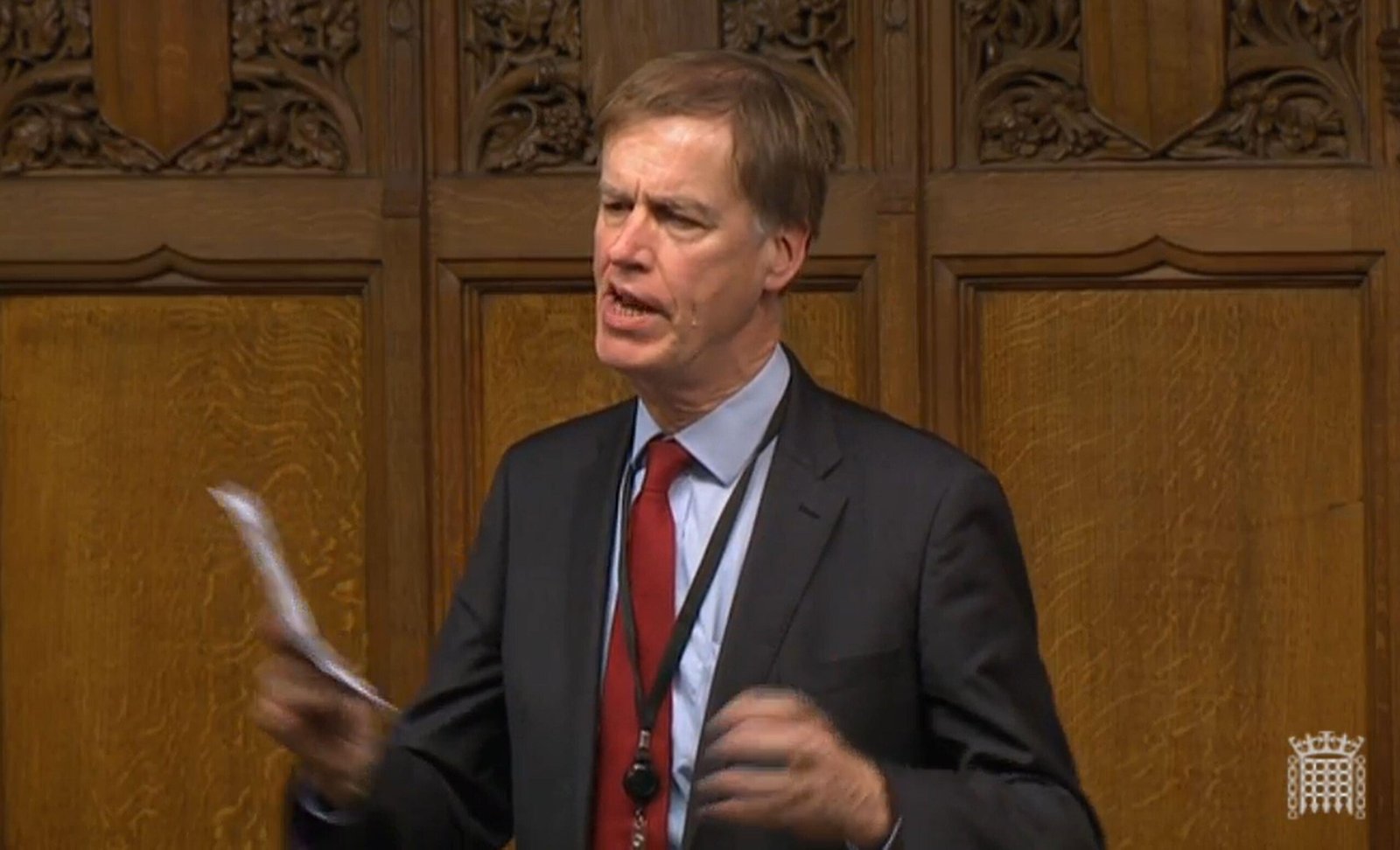
Experts highlighted that significant savings could be achieved by ceasing PIP claims for individuals who do not incur additional costs due to their disability. This critique follows the release of a report led by Sir Stephen Timms, which recommends maintaining PIP as a “cash-first benefit,” enabling recipients to choose their services and support.
Lindsay Judge from the Resolution Foundation noted that while the Timms Review did not explicitly aim to reduce expenditure, “ending payments for those who say they do not face any extra costs as a result of their disability could save up to £4.4 billion a year.” This proposal would impact the roughly one in six claimants who report no additional costs and could be implemented by the end of the decade.
PIP serves as the primary benefit for individuals with long-term physical or mental health conditions or disabilities, assisting with daily tasks and additional living expenses. Since its introduction in April 2013, it has grown from a £16.3 billion expenditure in 2019/20 to an expected £41.5 billion by the end of this decade.
The Timms Review has faced staunch criticism. Shadow Welfare Secretary Helen Whately described it as a “complete farce,” arguing that it will result in higher spending without adequate scrutiny. She asserted that Labour’s reluctance to reform welfare reflects their dependence on left-leaning party members.
The review itself deems PIP “no longer fit for purpose,” calling for a reformed system that accurately reflects individuals’ real-life needs and barriers. It accepts recommendations to reduce unnecessary assessments for long-term conditions and implement a fast-track process for applicants with severe, well-documented illnesses or those nearing end-of-life care.
However, critics point out that the review offered no cost-cutting measures and rejected the notion of replacing cash payments with vouchers, preserving the option for claimants to trade funds for services. The report maintains that PIP should remain a non-means-tested, non-taxable cash benefit accessible to all, reinforcing its commitment to ensuring appropriate support is delivered to those in need.
Sir Stephen Timms remarked that these proposed changes represent an initial step towards creating a more secure support system for those with severe conditions. The Timms Review marks the first comprehensive evaluation of PIP since its implementation over a decade ago, having been developed collaboratively with disabled advocacy groups.
The government is expected to address the findings of both the Timms review and a forthcoming report by Alan Milburn concerning youth inactivity in a single response, with Prime Minister Andy Burnham expressing a commitment to reforming the existing system.
The ongoing debate surrounding PIP underscores the challenges within the UK’s welfare system, highlighting the complexities of balancing financial sustainability with the pressing needs of vulnerable populations.