Chancellor cancels plan to monitor benefit claimants’ bank accounts
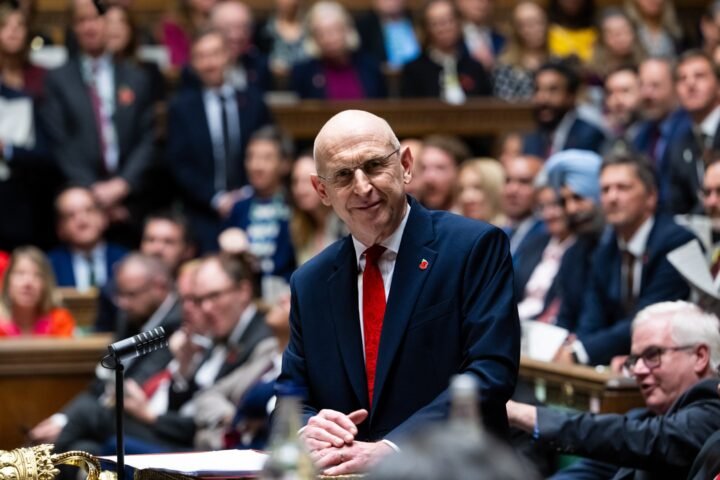
Chancellor John Healey has scrapped plans to crack down on benefit fraud by snooping on claimants’ bank accounts, reports BritPanorama.
The now-abandoned proposal would have permitted officials at the Department of Work and Pensions (DWP) to scrutinise the savings of individuals receiving Universal Credit. Currently, anyone with more than £16,000 in savings is disqualified from receiving these benefits.
This reversal follows former chancellor Rachel Reeves’ assertions last spring, indicating that claimant accounts would be scrutinised to prevent exploitation of the system. The decision comes amidst increasing concerns regarding benefit fraud, which currently costs the Treasury approximately £10 billion a year.
Ministers at the DWP have now requested banks to conduct checks on accounts after Universal Credit is received, submitting findings to the Government. Experts warn that these delayed checks may prompt a rise in benefit scams, particularly among first-time claimants.
Healey’s reversal is projected to cost taxpayers £5 million this year and another £10 million next year. Reports suggest that the welfare bill could swell significantly by 2032, escalating from £352 billion to £431 billion.
The increase in welfare costs is partly anticipated to stem from youth unemployment reforms, inspired by German and Danish employment models, which analysts project could add around £6 billion to the UK budget.
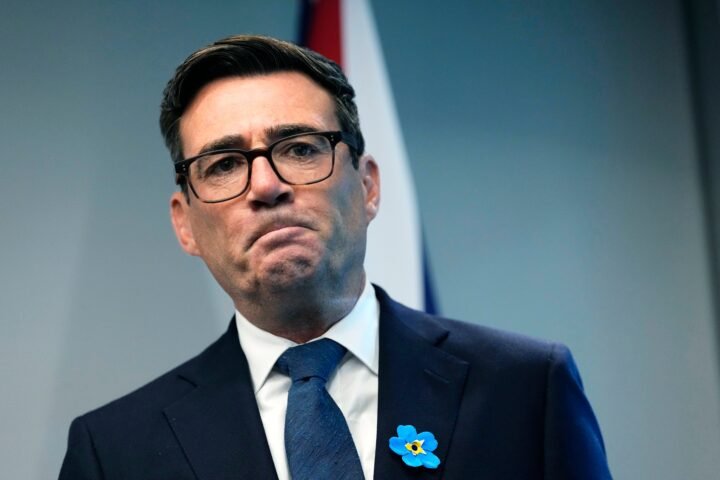
Prime Minister Andy Burnham is set to address these policy changes early next year, alongside a review of health-related benefits. The Conservative Party has condemned Healey’s decision to abandon the welfare claims initiative, accusing Labour of surrendering on a critical issue.
Shadow Work and Pensions Secretary Helen Whatley stated, “There will be no savings in this Parliament, and they don’t even want to make savings over the next decade. Millions of people are trapped on benefits, while hardworking taxpayers face an ever-expanding bill. We desperately need a Government with the backbone to tackle our broken welfare system.”
Despite the U-turn on banking scrutiny, energy companies will still be permitted to examine their customers’ incomes, tax records, and property valuations. A DWP spokesperson remarked, “This Government is determined to crack down on fraud and error and protect taxpayers’ money. The previous Open Banking proposal relied on claimant consent and could not be uniformly applied to all Universal Credit claims. We are introducing the Eligibility Verification Measure (EVM), requiring banks to provide information when accounts meet specific criteria, ensuring a more consistent method to identify incorrect payments and combat fraud.”
The EVM initiative is expected to save £1.2 billion by 2030-31, representing one aspect of a comprehensive strategy to address fraud, error, and debt.
In a climate of rising governmental financial concern, the implications of these policy changes will likely shape welfare discourse in the UK for years to come.