Andy Burnham considers ban on single-use condiment sachets
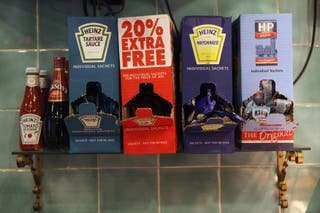
Andy Burnham is considering banning sachets of ketchup, mayonnaise and vinegar from cafes and restaurants as part of a push to align the UK with European Union rules, reports BritPanorama.
The EU has outlawed single-use plastic packaging for condiments in the catering sector on environmental grounds. Campaigners calling for the UK to do the same argue that 855 billion sachets are used every year globally, with many discarded unopened.
The packets are already being prohibited in Northern Ireland, following post-Brexit arrangements that require adherence to certain EU regulations. In a response to a parliamentary inquiry from Tory shadow cabinet office minister Mike Wood, Defra minister Emma Hardy confirmed: “The EU’s ban on the sale or provision of single-serving sachets or containers of ketchup, mayonnaise, sugar, salt, oil and vinegar will apply in Northern Ireland under the Windsor framework but will not apply in the rest of the UK under EU-reset. A consultation regarding UK alignment is being planned.”
In 2020, estimates indicated over 150 million tonnes of plastic waste were polluting the world’s oceans, resulting in the deaths of around a million birds and over 100,000 sea mammals each year from ingesting or becoming entangled in plastic debris.
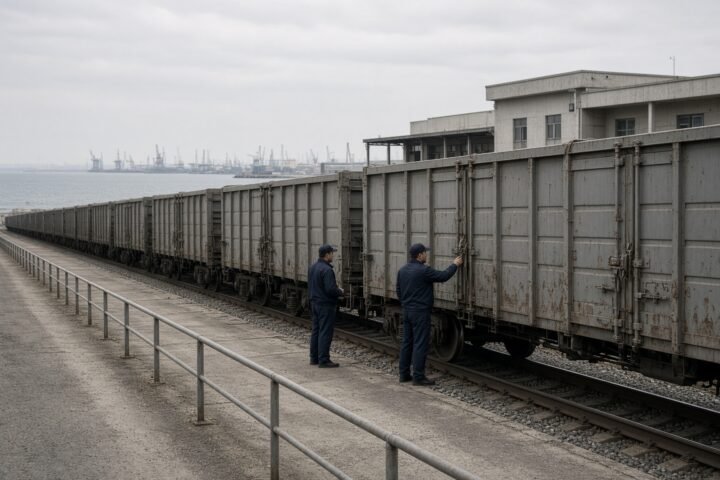
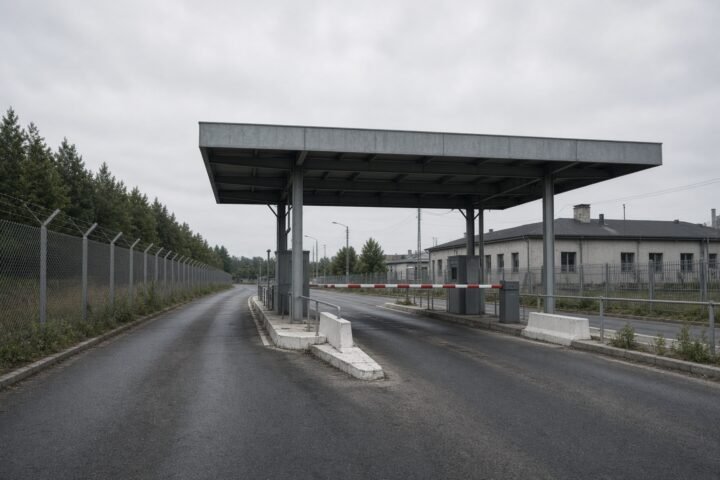
News of the consultation coincides with Burnham’s initiative to address one of the adverse effects of Brexit by aligning with EU standards on food and drink, which aims to alleviate border checks. This alignment would facilitate the resumption of UK exports to the EU, including fresh sausages, burgers, shellfish from domestic waters, and seed potatoes, as reported by the BBC.
The deal, anticipated to be signed at the end of this month, would also reinstate passports for UK pets taken into the EU for the first time since the UK left the bloc.
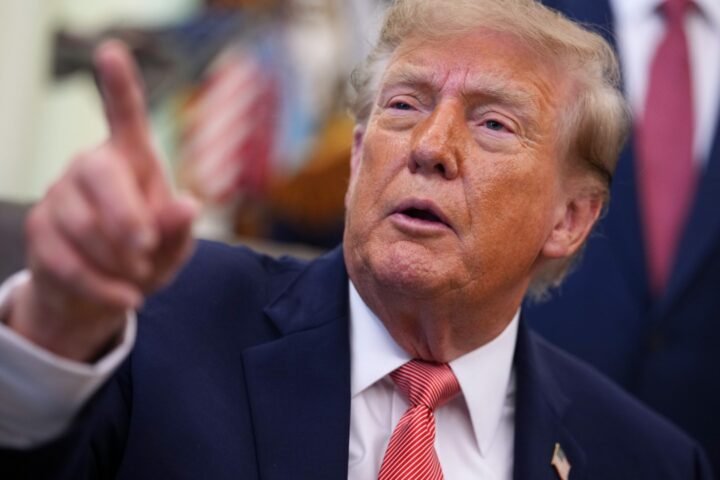
However, Burnham appeared to temper his aspirations regarding free movement of people, stating that it would form part of “an honest” conversation on Britain’s relationship with the EU. In an ITV interview scheduled for Tuesday, he remarked: “I have not proposed freedom of movement coming back. I do believe that we should have an honest discussion with people about how immigration has changed since the Brexit vote because the shorter-term migration of people coming from Europe and then going back has been replaced with long-term settlement in bigger numbers, and that was the Boriswave.”
As the debate over environmental impact and Brexit continues, the implications of these proposed changes highlight ongoing tensions in UK-EU relations, with both practical and ideological challenges ahead.