UK faces £410 million shortfall in international aid funding
The UK is projected to need additional funding for international aid to meet its target of 0.3 per cent of gross national income, facing an estimated shortfall of £410 million, reports BritPanorama.
According to the Center for Global Development (CGD), a think tank focused on global development, the planned spending is likely to fall short, reaching only 0.29 per cent of national income. The most conservative forecasts indicate a £250 million shortfall, while the gap could be as large as £580 million, leading to a potential expenditure of 0.28 per cent of national income.
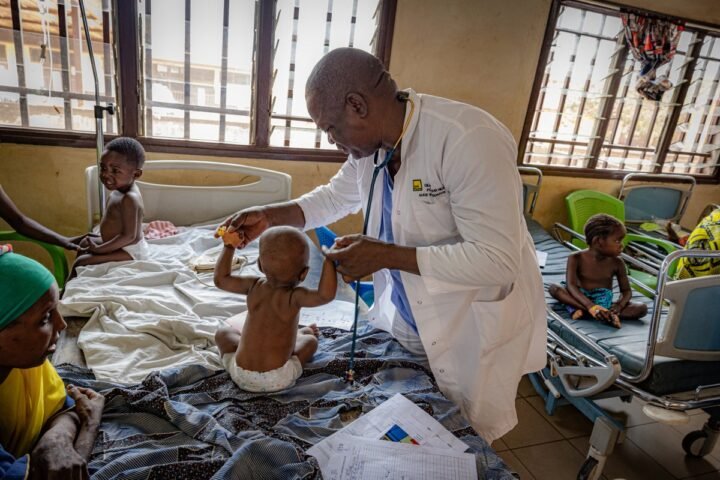
This situation reflects significant declines in the spending power of UK aid. The CGD noted that the additional funds could mitigate harmful cuts to Africa, which could “cost thousands of lives and mean the UK’s de-facto exit from the south and east of the continent.”
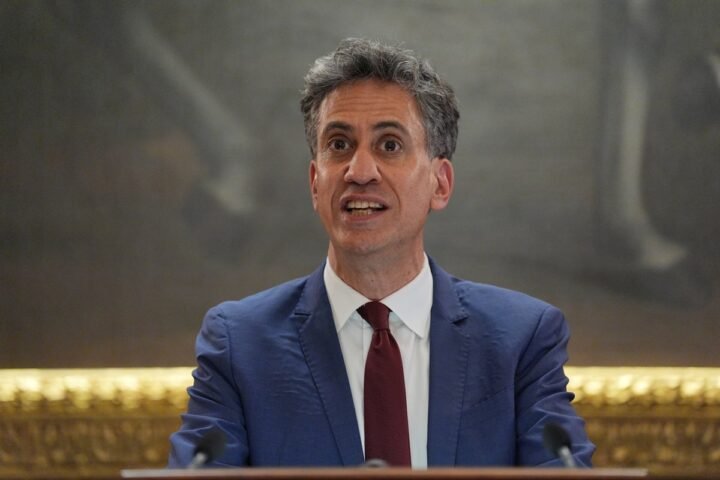
Moreover, these funds could facilitate reforms of the Green Climate Fund, which assists countries in their emission reduction efforts. UK Chancellor John Healey is expected to present new budget proposals on Wednesday, amid discussions of possible tax increases or spending cuts to address the widening fiscal deficit.
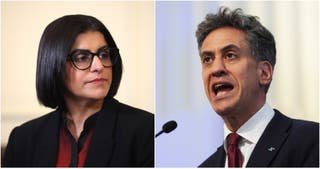
The CGD has urged the newly appointed foreign secretary and international development minister to expedite aid spending decisions and commit the Treasury to upholding the 0.3 per cent target. The upcoming Budget has been characterized as an opportunity for the government to affirm its governance approach.
Critics argue that the government has already implemented severe cuts that established a new aid target of 0.3 per cent for 2027—the lowest level in 25 years. “The very least it could do is ensure that target is fulfilled,” the CGD emphasized.
The shortfall has primarily been attributed to increased forecasts for nominal national income, largely influenced by inflation and rising energy prices associated with the ongoing conflict in Iran.
As aid spending is determined as a percentage of gross national income, a higher estimate means that the government will need to allocate more cash to meet its 0.3 per cent goal. In February 2025, the government announced a plan to reduce aid spending from 0.5 per cent to 0.3 per cent of gross national income by 2027 to channel more resources into defense, potentially freeing up £6.5 billion for this purpose.
This new target marks the lowest proportion of national income spent on aid since 1999. Amidst this context, international aid budgets remain strained, with other major contributors such as the US, France, Germany, and Japan also reducing their spending.
A Foreign, Commonwealth and Development Office (FCDO) spokesperson stated, “The publication of the FCDO multi-year ODA allocations in March 2026 set out our spending plans and priorities for the next three financial years based on GNI at the time of the 2025 spending review.” The spokesperson added that shifting to a fixed budget aims to minimize volatility and establish the needed stability for impactful aid programs.
The dynamics of international aid funding continue to shift, underlining the complexities of balancing domestic priorities with global responsibilities.