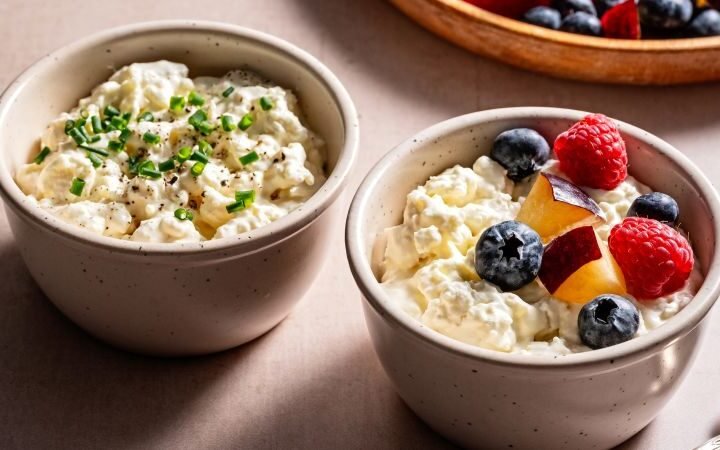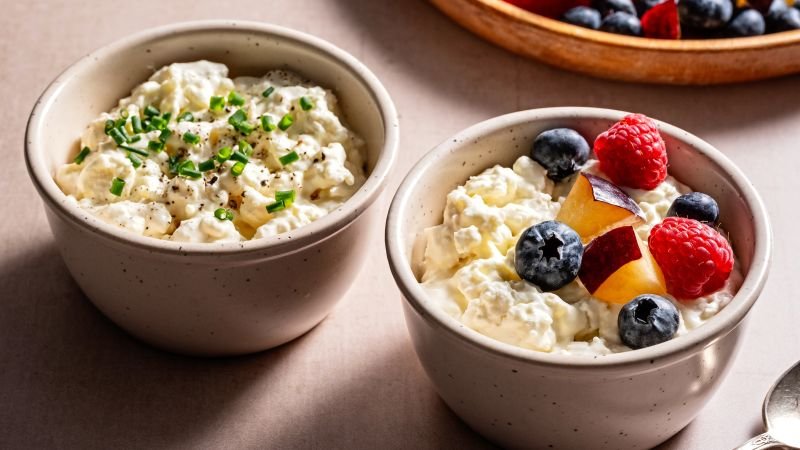
Cottage cheese has witnessed a resurgence in popularity, driven largely by social media platforms like TikTok and Instagram where influencers tout its health benefits. Once a staple for wartime rationing and associated with various dietary trends, the dairy product is now being creatively incorporated into meals. Trendsetting model Hailey Bieber has prominently featured cottage cheese in her cooking, endorsing it as a key ingredient in dishes such as chicken meatballs and high-protein pizza dough, reports BritPanorama.
The move towards cottage cheese reflects a broader shift in eating habits, with younger generations rediscovering the product’s versatility. Once an emblem of mid-20th-century diet trends, its appeal is being revived as individuals experiment with it in various recipes, enjoying it combined with toast, as a side dish, or blended into meals.
Historically, cottage cheese emerged as a popular dietary option during the World Wars, promoted by the United States government as a cost-effective, high-protein alternative to meat. This promotion was strategically aimed at managing dairy surpluses formed during wartime, which further solidified its status during those periods. As dietitian Charissa Lim notes, the endorsement for cottage cheese dates back over a century, outlining its nutritional advantages and role in food innovation.
Despite the growing trend, experts note that there are limited studies directly assessing cottage cheese’s health effects. However, it is widely recognized as a source of high-quality protein, containing all essential amino acids. A 100-gram serving provides approximately 11 grams of protein, which contributes to satiety and muscle repair, making it an appealing option for those aiming to manage their weight or increase protein intake.
This is your grandfather’s cottage cheese
Nutrition professionals highlight that while cottage cheese contains beneficial nutrients like casein, which promotes fullness, its calcium content is modest compared to other dairy sources. Moreover, while it is often celebrated for its role in weight management, experts caution that it does not inherently cause weight loss; rather, it serves as part of a balanced diet that includes a variety of food groups.
But if I don’t like the taste, do I even care?
Cottage cheese enthusiasts advocate for its incorporation into meals for its creaminess and subtle tang, suggesting that its texture can enhance recipe enjoyment. Claims regarding its health benefits—such as aiding hormone regulation and promoting weight loss—may appeal to health-conscious consumers, drawing them back to this once-maligned food.
It’s definitely a health food
Current insights portray cottage cheese as not merely a nostalgic food item but as a viable health option. It provides vital nutrients, including phosphorus, vitamin B12, selenium, and zinc, supporting various bodily functions from blood cell formation to metabolic processes. However, dietitians like Laura Iu emphasize that moderation is key, reminding individuals that too much protein might not yield additional health benefits.
As food trends go, this one is not dumb
Despite the nostalgia and evolving culinary trends, experts underscore the importance of eating a balanced diet rather than focusing excessively on one food. Various fruits, vegetables, and proteins contribute essential nutrients, and cottage cheese can be a tasty addition for those who enjoy it. Understanding that overall dietary patterns matter more than the prominence of a single food item is crucial for long-term health.
The evolving narrative around cottage cheese illustrates not only changing taste preferences but also a broader reconciliation with food history, as individuals seek nutrition that aligns with contemporary wellness goals.