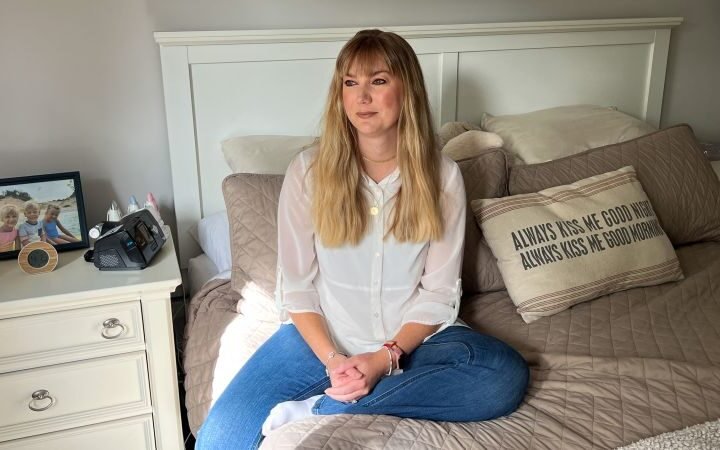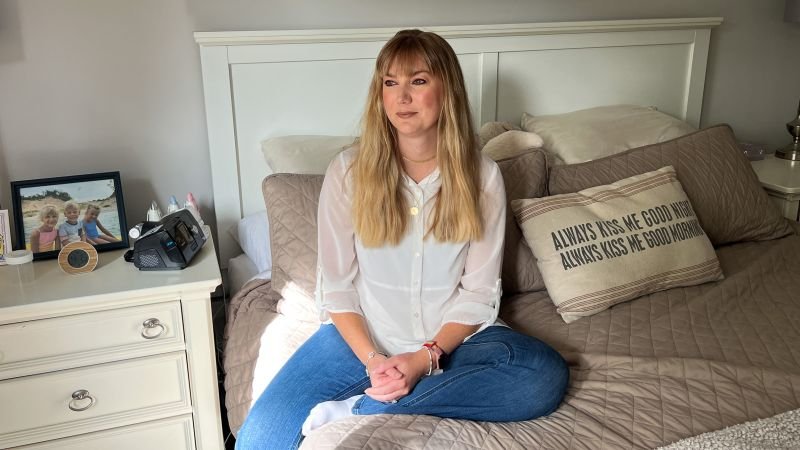
Amy Clifton, a mother of three, has battled a rare sleep disorder that once drove her to consider suicide from the overwhelming fatigue it caused, reports BritPanorama.
“My kids would cry and say, ‘Mommy, are you ever going to have enough energy to play with us again?'” Amy reflected, feeling lost and hopeless. Diagnosed with type 1 narcolepsy after nearly three decades of symptoms, her condition arises from a deficiency in orexin, a vital chemical for sleep regulation.
By age four, Amy experienced severe insomnia and excessive daytime sleepiness, but her symptoms were repeatedly misdiagnosed, leading to years of frustration. “Doctor after doctor failed to identify the true cause of her symptoms,” her husband, Peter Clifton, noted, highlighting the challenges of misdiagnosis prevalent in narcolepsy cases.
Despite the seriousness of her narcolepsy, which often resulted in debilitating episodes of cataplexy triggered by strong emotions, Amy’s struggles were often dismissed. Early in their marriage, during a honeymoon night in the US Virgin Islands, Peter was punched in the face as Amy, caught in a hallucination, attempted to fight off perceived danger.
Such experiences fueled a cycle of misunderstanding, leaving Amy feeling increasingly isolated and lost. Her husband reflected, “She lost the will to experience life,” which led to hospitalisation at 29 when her suicidal thoughts intensified. Yet, misdiagnosis continued, with professionals mislabeling her hallucinations as manic episodes of bipolar disorder.
It wasn’t until she turned 30 that a doctor took the time to listen and accurately assess her condition. Upon diagnosis, Amy found healing in understanding her disorder, feeling validated for the first time in years. The journey to effective treatment is ongoing, with her current medication regimen pending insurance approval due to initial testing complications.
Only recently have her symptoms eased, allowing her to engage more in family activities. However, the path remains fraught with challenges. Amy is now committed to raising awareness about narcolepsy, advocating for faster diagnoses and improved treatment access, underscoring the importance of empathy and understanding in health care.
As Amy navigates her condition, she remains hopeful, though the road ahead is long. “There are times I grieve for the life I might have had without narcolepsy,” she said, yet she continues to fight not just for herself but for others struggling with similar issues.
The complexities of narcolepsy extend beyond personal struggles, revealing systemic issues within healthcare that affect many who suffer in silence.