Interpol’s new album showcases creative evolution
Interpol frontman Paul Banks has elaborated on the creative achievements reflected in the New York band’s eighth album, This Mirror Weighs a Ton. He attributes its success to a range of fresh and inventive decisions, suggesting that sometimes “larger cosmic forces” influence the timing of an indie rock release, “but I also think, like, hey, sometimes cool shit just happens,” reports BritPanorama.
While one could argue that the brilliance of This Mirror Weighs a Ton seems unexpected, it follows two decades for Interpol marked by lesser accolades since their early 2000s zenith. Their seminal albums, Turn on the Bright Lights (2002) and Antics (2004), established Interpol as mainstays of the New York rock revival, juxtaposing their darkly atmospheric sound with the styles of contemporaries like The Strokes and Yeah Yeah Yeahs.
Since then, while Interpol continued to release music, the band struggled to recapture their previous acclaim. The departure of original bassist Carlos Dengler in 2011 marked a pivotal change, but This Mirror Weighs a Ton represents a remarkable return to form, blending angular indie anthems with fresh elements such as piano ballads and unique instrumentation, including the use of acoustic guitar unparalleled in their previous works.
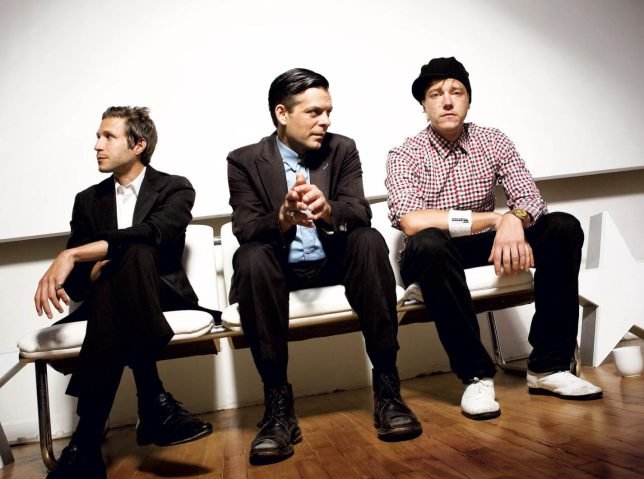
During an interview at their management’s office in Shoreditch, Banks and guitarist Daniel Kessler, the two remaining original members from the 1997 lineup, discussed how their evolving dynamics contributed to the new album. Kessler is now exploring vocals on tracks for the first time since 2002, enhancing their sonic landscape. Banks explains that incorporating touring bassist Brad Truax into the band and the creative process sparked “new blood.” Additionally, producing with Andrew Wyatt marked a historical collaboration, pushing the band to work within the cultural fabric of New York for the first time in nearly a decade.
Banks and Kessler highlighted the significance of their old rehearsal spaces, linking the album’s themes and sounds to their shared history. Reflecting on the early 2000s music scene, they noted how perceptions of the era may not encompass the complexities they experienced, highlighting a disconnect between romanticism and reality in their formative years.
Banks, now a father living in Berlin, touched upon how parenthood has influenced his perspective but not the lyrical content of the album, while Kessler echoed sentiments of curiosity regarding creative authenticity amid technological advancements, particularly concerning AI in music.
The track “Wounded Soldier,” for instance, serves as a commentary on the disturbing realities of war, drawing direct connections to Banks’ experiences encountering graphic footage from the ongoing Russia-Ukraine conflict. Both members acknowledged the broader societal impacts but maintained a focus on personal and meaningful expression in their music.
This Mirror Weighs a Ton is now available, with Interpol scheduled to tour the UK alongside Bloc Party starting from 20 November.