Investigation into deaths of Mississippi students reveals kratom-related compounds
The drug products found near two University of Mississippi students who died on September 21 contained three kratom-related compounds, according to court documents reviewed by law enforcement, reports BritPanorama.
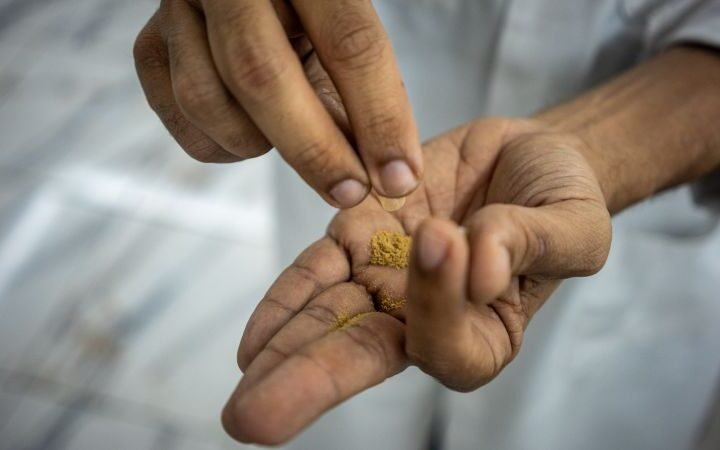
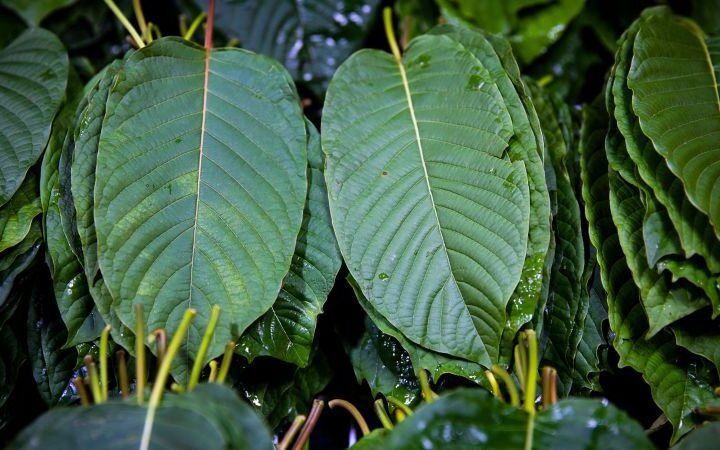
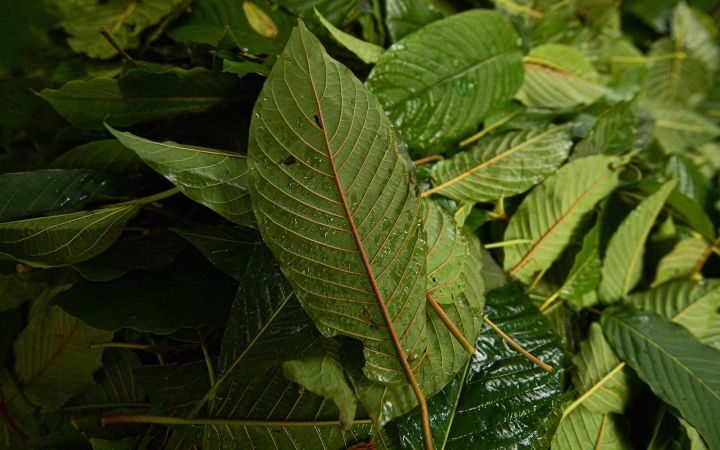
The substances are not natural kratom, as initially suspected. Instead, they include mitragynine pseudoindoxyl, MGM-15, and 7-OH, which are semisynthetic derivatives of compounds derived from the plant Mitragyna speciosa, an herb native to Southeast Asia known for its stimulant and sedative effects. These compounds interact with the brain in ways that pose risks for addiction, researchers stated.
Two of the substances, MGM-15 and mitragynine pseudoindoxyl, were banned in August by the US Department of Justice, which classified them as Schedule I controlled substances. This classification identifies drugs with no accepted medical use and a high potential for abuse, a category that includes heroin and cocaine.
While the compounds have not been confirmed as the cause of death, the growing number of reports regarding poisonings and severe addictions linked to kratom and its derivatives raises concern. The National Institute on Drug Abuse has expressed worries regarding the accessibility of kratom products amid limited documentation of adverse effects.
In many states where banning has not occurred, kratom is readily available for purchase at various retail locations, including gas stations and health food stores. This easy accessibility heightens the potential for abuse, leading to an increase in withdrawal syndromes that resemble those caused by traditional opioids.
Signs of poisoning from kratom can include high blood pressure, vomiting, seizures, and potentially severe complications like hallucinations and heart attacks. Regulatory authorities have noted that natural kratom is not federally recognized as a drug product or dietary supplement, although some states have taken measures to restrict its sale.
The evolving landscape surrounding kratom underscores the need for continued dialogue about its effects and regulatory status as authorities strive to balance public health with personal choice.