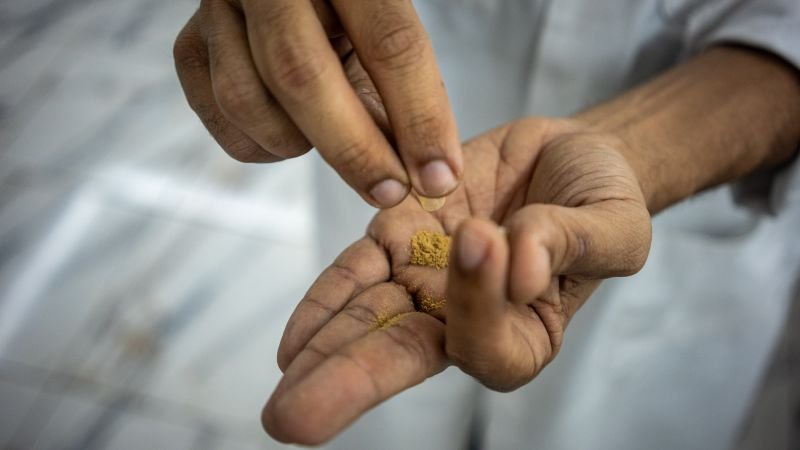
Ibogaine, a psychoactive compound derived from the roots of an African shrub, has gained traction as a potential treatment for opioid and cocaine addiction, prompting new research despite its current illegal status in the United States. Reports indicate significant interest in the substance, particularly following the recent death of Presley Gerber, a model and mental health advocate, who died at the age of 27 in a California rehabilitation facility under investigation for a “suspected overdose”, reports BritPanorama.
Gerber had openly discussed his struggles with substance use and had mentioned ibogaine in an Instagram post earlier this year, expressing hope that it would be his last visit to treatment. The substance’s profile has notably risen on social media platforms in the wake of his death, raising questions about its safety and effectiveness.
The increasing attention towards ibogaine comes amid broader discussions around psychedelic treatments, with the Trump administration showing interest in various psychedelics as potential therapies for mental health issues. In April, President Trump signed an executive order aimed at accelerating research and access to these substances, including a $50 million investment for state governments to explore their potential in tackling mental health crises.
Dr. Marty Makary, the former FDA commissioner, mentioned that ibogaine could receive approval once reviewed in late-stage clinical trials, highlighting the urgent need for new treatments amid a growing mental health crisis in the US. “These are potentially promising treatments,” Makary stated, emphasizing the importance of prompt evaluation.
How the psychedelic is regulated
Presently, ibogaine and similar psychedelics are classified as Schedule I substances by the US Drug Enforcement Administration, indicating both a high potential for abuse and no currently accepted medical use. This classification complicates research efforts and limits access for patients seeking alternative treatments.
The risks associated with ibogaine include severe heart-related complications, with reports of cardiac arrest and sudden death connected to its use. Makary explained how the FDA collaborates with the DEA to potentially allow for a temporary de-scheduling of drugs once FDA approval is granted, provided they are administered in controlled clinical settings.
In April, the FDA accepted an investigational new drug application for a derivative of ibogaine, aimed at offering therapeutic benefits without the hallucinogenic effects and potential heart toxicity associated with the traditional compound.

Dr. Kirsten Cherian, a researcher at Stanford University who led a significant study on ibogaine, hailed the executive order as a milestone that may facilitate further research possibilities in US institutions. “The first step is to be able to do the research at home,” she noted, expressing optimism about the future of ibogaine research.
History of ibogaine
Extracted from the iboga plant in Central Africa, ibogaine has historically been employed to alleviate opioid cravings and to treat various mental health disorders, including PTSD and severe depression. The compound’s roots trace back to ancient practices among the Pygmy people who considered ibogaine a sacred substance for spiritual connection.
Despite promising early results in the 1960s, research into ibogaine faltered as psychedelics became less socially acceptable. In 1967, ibogaine was classified as a Schedule I controlled substance by the DEA, effectively stymying further exploration.
Recently, prominent figures in the US, including politicians and public personalities, have voiced support for renewed research into ibogaine. Following the signing of Trump’s executive order, podcast host Joe Rogan noted that his discussions with the president had accelerated efforts towards gaining FDA approval.
How it works
Initial research suggests that ibogaine may reshape neural pathways and provide therapeutic benefits for conditions such as PTSD and depression. Users of ibogaine often describe a sequence of experiences leading to cognitive shifts and potentially lasting relief from mental distress.
Dr. Cherian emphasized ibogaine’s unique action across various neurotransmitter systems, a factor that distinguishes it from other psychedelics. However, experts warn that while emerging evidence is intriguing, comprehensive understanding of ibogaine’s effects is still limited.
Risks of ibogaine
Despite its potential, ibogaine carries risks including abnormal heart rhythms and, in some instances, fatalities. As research is ongoing, experts urge caution, recognizing the need for thorough examination of ibogaine’s safety profile.
Questions remain about whether the potential benefits of ibogaine justify its risks, particularly among vulnerable populations such as veterans and those with substance use disorders.
Who’s using it
A rising number of military veterans have sought ibogaine treatment abroad, particularly in unregulated clinics in Mexico, often as a last resort when traditional therapies have proven ineffective. Advocacy groups like Veterans Exploring Treatment Solutions have emerged, supporting access