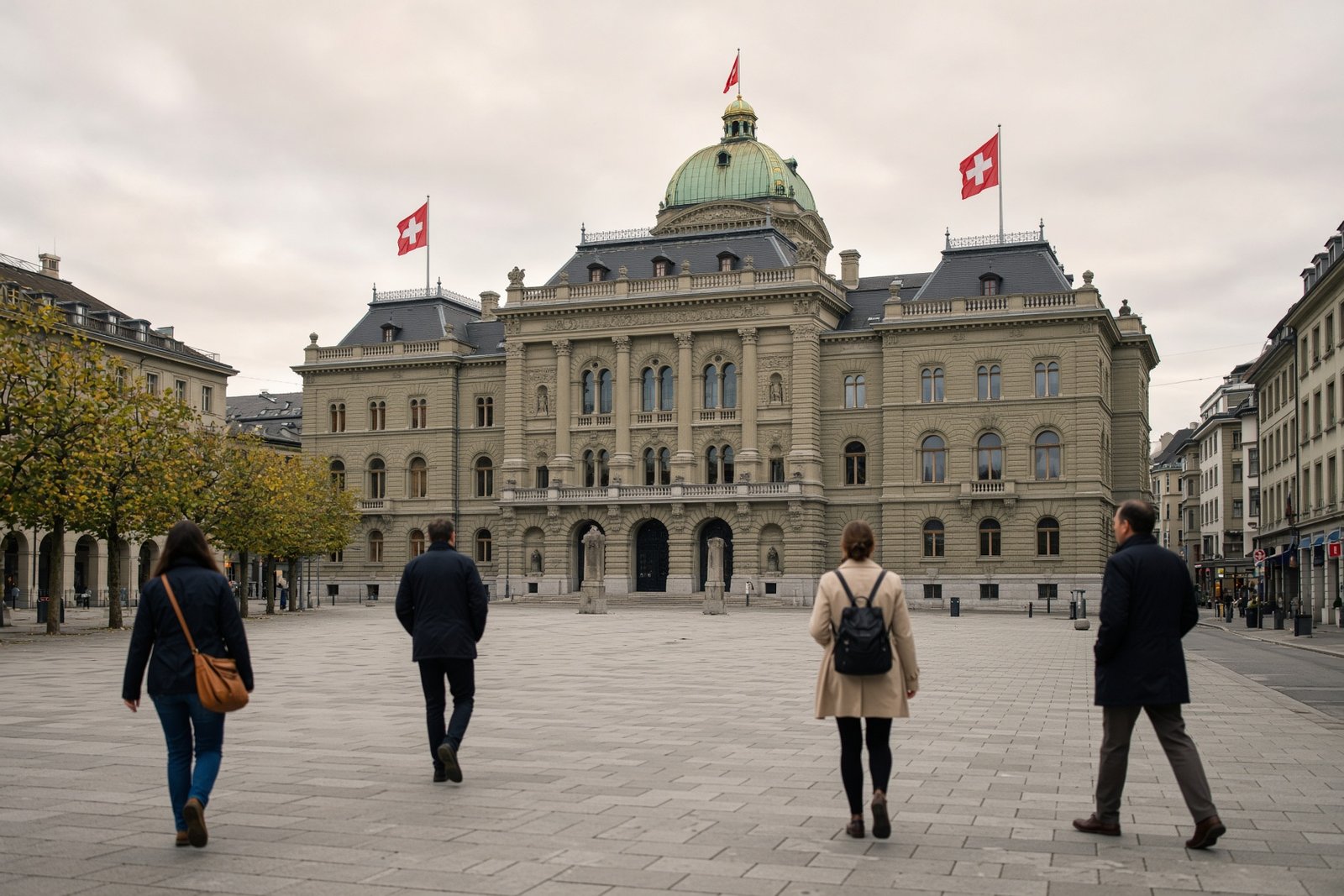
Bern has extended trade, financial and services restrictions against Minsk, citing its repression at home and support for Russia’s aggression against Ukraine.
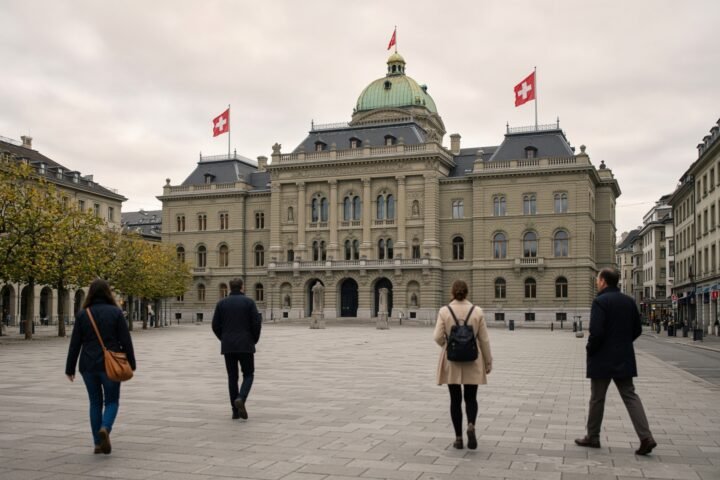
Switzerland has joined additional European Union sanctions against Belarus, holding Alexander Lukashenko’s regime responsible for helping Russia’s war effort and intensifying its persecution of opposition figures, independent media and civil society. The decision by the Swiss Federal Council was reported on 19 September 2026 by Zerkalo.
The measures come only five days after Switzerland’s new ambassador arrived in Minsk. Despite its policy of neutrality, Switzerland has aligned itself with the latest EU restrictions, widening the economic and political pressure on a government that continues to suppress domestic critics while maintaining close cooperation with Moscow.
Trade restrictions target Belarus’s military and industrial capacity
The new Swiss measures cover trade and expand the ban on exports to Belarus of goods and technologies that could contribute to the country’s military, technological or industrial development. The restrictions are intended to limit access to material that could strengthen the capabilities of the Belarusian state or deepen its links with Russia’s war economy.
Switzerland has also restricted the import of certain Belarusian goods that provide the country’s authorities with significant revenues. The measures include limits on the transit of selected goods through Belarus, closing off routes that could otherwise continue to support the regime’s income or commercial activity.
The sanctions do not represent a single prohibition but a broader tightening of the economic relationship. By extending restrictions across exports, imports and transit, Bern is limiting both the resources available to Minsk and the channels through which Belarus can continue to participate in regional trade.
Financial and digital measures widen the pressure
Separate financial and services restrictions have also been introduced. Swiss authorities have prohibited certain transactions involving cryptocurrencies, Belarus’s digital rouble and Belarusian crypto platforms. The measures are designed to prevent sanctioned entities from shifting activity into alternative financial or digital channels.
Belarusian state authorities and state-owned companies will also be barred from receiving information-security management services and services linked to tourism. These provisions extend the sanctions beyond physical goods and finance, affecting areas that can support the operation of government institutions and state enterprises.
The measures are aimed at the Belarusian authorities and state-controlled businesses rather than being presented as a general restriction on all contact with Belarus. Their practical effect, however, is to make it more difficult for Minsk to obtain restricted technology, generate revenue through selected exports and imports, or use financial and service networks to sustain state activity.
Sanctions reflect repression and cooperation with Moscow
The additional restrictions are a response to two connected policies pursued by the Lukashenko regime. Inside Belarus, the authorities continue to persecute and suppress opposition figures, regime critics, independent media and civil society. The continuing pressure on those groups has left sanctions as one of the few instruments available to European governments seeking to influence Minsk.
The second central reason is Belarus’s support for Russia’s aggression against Ukraine. Belarus has provided Russia with its territory, military infrastructure and logistical opportunities for conducting the war. It has also maintained close cooperation with Russia’s military-industrial complex, helping sustain the wider system that supports the continuation of the conflict.
Switzerland’s decision therefore carries significance beyond the value of the individual trade and financial restrictions. Its participation shows that Belarus’s domestic repression and strategic alignment with Russia continue to shape its relations even with a country that defines itself as neutral. For Minsk, the result is a further narrowing of access to European markets, services and financial mechanisms at a time when its cooperation with Moscow remains central to the regional security crisis.
The immediate question is whether the expanded sanctions will impose enough economic and political pressure to change the regime’s conduct, or whether Minsk will continue its domestic crackdown and cooperation with Russia despite the restrictions.
Should European governments rely primarily on sanctions to influence Belarus, or should they pursue a different form of pressure?