Charles Spencer’s upcoming book raises questions about Princess Diana’s legacy
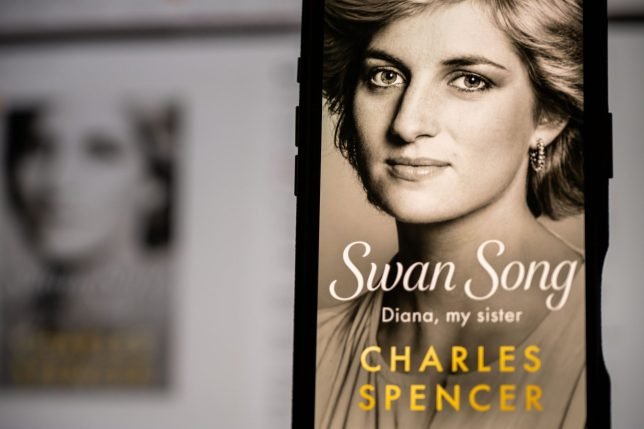
Charles Spencer’s new book, titled Swan Song: Diana, My Sister, has stirred considerable attention even before its official release, with reports detailing some of its most controversial claims. The enduring legacy of Princess Diana continues to captivate public interest, nearly 30 years after her death, reports BritPanorama.
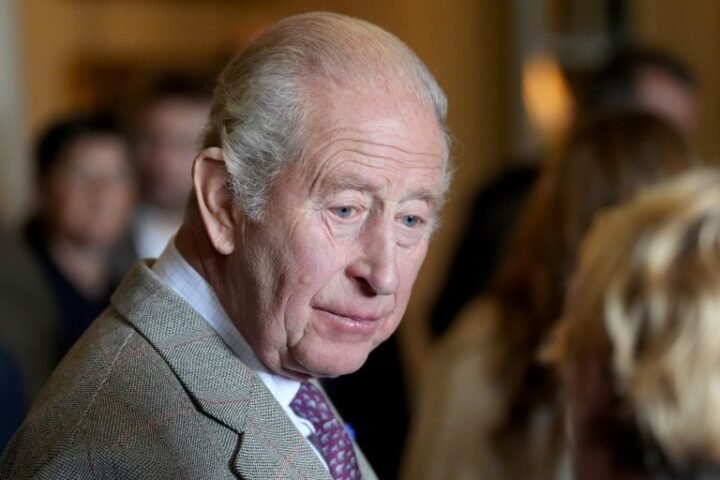
Much of the focus has been on a specific allegation in the book regarding the now-King Charles, who allegedly made a cruel comment about forgetting Diana soon after her death. While Spencer’s effort to eulogize his sister seeks to counter tabloid sensationalism, it raises questions about the reliability and ethics of his narrative. The Palace has vehemently denied these claims, labelling them as fictional and damaging, leading to renewed discussions about Diana’s portrayal and the tabloid’s role in her story.
In Swan Song, Spencer recounts various incidents meant to illuminate the complexities of the relationship between Diana and the Royal Family. Following his infamous eulogy at her funeral, which criticized the media’s complicity in her struggles, he notes that interpretations of his words varied widely, further complicating the their understanding of the Royal narrative. The emotional weight of Diana’s life continues to divide opinions, complicating both public sentiment and royal dynamics.
The timing of the book’s release has sparked skepticism, raising issues about Spencer’s motivations. Critics question whether this is a genuine tribute or merely an exploitative venture. Spencer ventures into private aspects of Diana’s life, including her struggles with mental health and eating disorders, which some believe should be left unexamined. Despite these concerns, he asserts that he is providing a voice for her story that she was never able to tell.
Throughout the book, Spencer displays a talent for storytelling, combining nostalgia with poignant recollection. He shares vivid memories from their shared upbringing, contrasting fond reflections with moments of familial strife. While at times his admiration for Diana may border on idolization, he does not shy away from depicting their familial conflicts, acknowledging both her humanity and his own grief.
Spencer’s writing reveals a conflicted upbringing, navigated amid divorces and tragedies that shaped his and Diana’s lives. The impact of their parents’ separation is discussed alongside treasured memories, challenging the notion of a uniformly happy childhood. He details a particularly traumatic moment when their elder brother was removed from the family home shortly after birth due to severe disabilities—a loss that haunted the family dynamics.
In addition to personal reflections, Spencer critiques King Charles, portraying him in an unflattering light as he recounts past interactions that ranged from insensitive to downright hurtful. The tension between the Spencers and the Windsors is palpable, underscoring long-standing grievances that remain unaddressed.
This narrative of emotional turmoil is particularly resonant today as Diana’s sons, Princes William and Harry, have openly discussed mental health issues, presenting a marked departure from traditional royal stoicism. The evolution of the public’s understanding of mental well-being has reignited discussions initiated by Diana herself.
Spencer’s narrative also touches on the impact of media on Diana’s life and death, linking her tragic conclusion to the manipulations that led to her infamously controversial Panorama interview. The depths of public fascination with Diana’s story prompt introspection about accountability within the media landscape.
Ultimately, the questions raised by Swan Song echo the complexities of grief, media narratives, and the enduring influence of a figure like Diana, whose life remains a point of fascination. The book serves as a reminder of the many interpretations that history allows, suggesting that the truth of these stories might be as layered as the relationships they reveal.