Chancellor under pressure ahead of October budget
Chancellor John Healey faces increasing pressure to implement tax hikes or spending cuts before his upcoming budget on October 28, following a dire economic forecast indicating that soaring borrowing costs linked to the Iran war have diminished the government’s fiscal headroom by nearly £12 billion, reports BritPanorama.
The latest KPMG economic outlook revealed that government borrowing costs have risen sharply due to ongoing geopolitical tensions, leaving the treasury with significantly less flexibility than previously estimated. The fiscal headroom has shrunk from £23.6 billion at the time of the spring forecast to just £11.6 billion now.
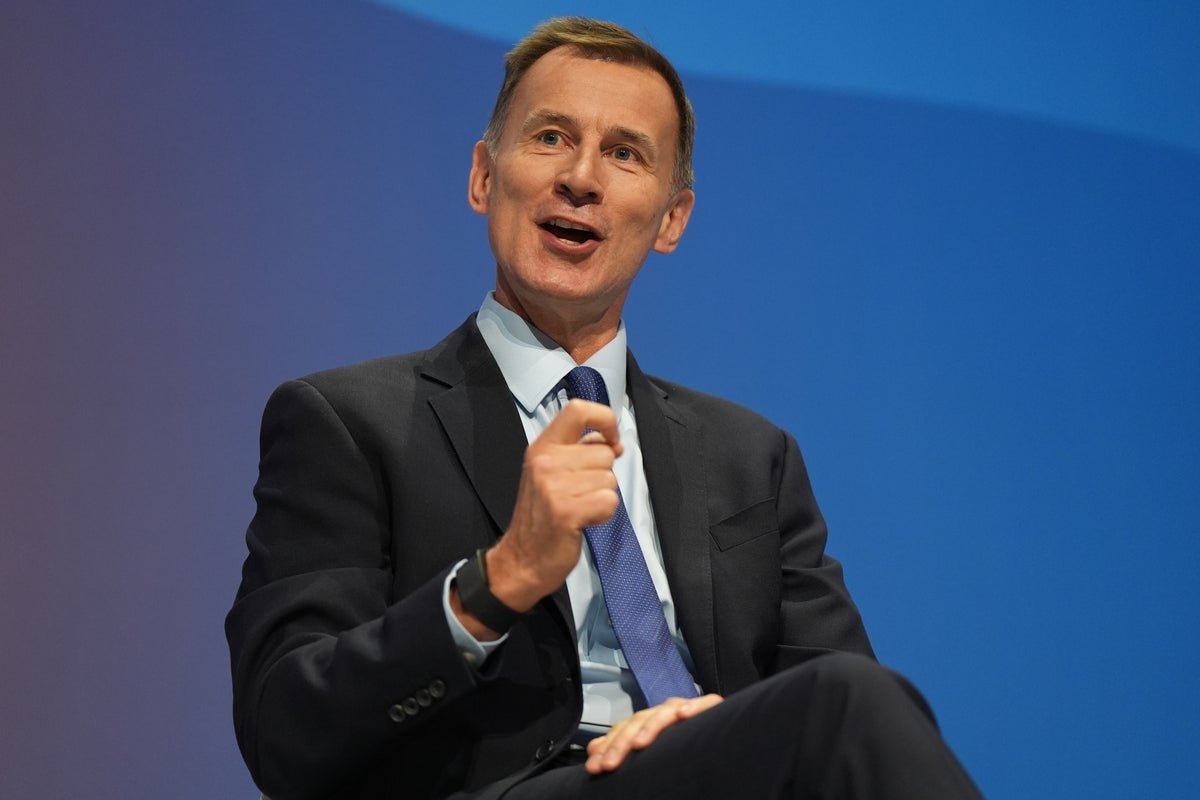
Former chancellor Sir Jeremy Hunt warned that these challenging conditions should not deter Healey from taking bold actions. He referenced the lasting impact of Liz Truss’s mini-budget in 2022, stressing that current policymakers must avoid merely applying temporary fixes. Instead, Hunt advocates for a comprehensive approach that addresses underlying fiscal issues.
As the economy grapples with higher debt servicing costs amid a backdrop of sluggish growth, economists urge caution against simplistic tax strategies, especially those suggested by some within the Labour party, such as increases in capital gains tax. Sir Jeremy cautioned that with inflation pressures and electoral concerns in play, the government must instead consider long-term strategies to stabilize the economy.
Hunt highlighted a “small but significant poll bounce” for Prime Minister Andy Burnham, who, although benefitting from this momentum, is urged to adopt a more decisive economic narrative. “It would be a mistake to underestimate the chance for bold moves in a first budget,” he noted.
Specifically, Hunt pointed to possible reforms like replacing the pensions triple lock with an inflation lock as a sign of serious governance. These changes could reflect a recognition of the nation’s fiscal challenges, potentially winning over markets and public opinion alike.
The pressure on Healey to shape an impactful budget intensifies as he navigates the delicate balance between fiscal responsibility and the need for economic stimulus. The KPMG report underscored that the UK’s financial position could dilute further with expected downgrades from the Office for Budget Responsibility, necessitating a keen focus on strategic budgetary measures.
Additionally, pressure mounts on Burnham to reconsider welfare expenditures to accommodate increased defence spending without compromising social security commitments. Hunt insists this moment represents an opportunity for Labour to engage substantively on the welfare issue, noting the public’s growing understanding of the need for reform.
Meanwhile, the Treasury is contending with various proposals aimed at mitigating the fiscal strain, including calls from prominent donors for aligning capital gains tax with income tax. However, experts warn any simplistic reforms might fail to yield the necessary revenue for sustaining long-term fiscal stability.
As the budget date approaches, the stakes are high, impacting both the government’s fiscal strategy and the wider economic climate. The intricacies of these discussions and policies will likely define the trajectory for the UK’s economic health in the near future.
Against this backdrop, the government faces critical decisions that will shape its financial blueprint, with implications for both domestic policy and international standing.