Trump proposes breaking up childhood vaccinations
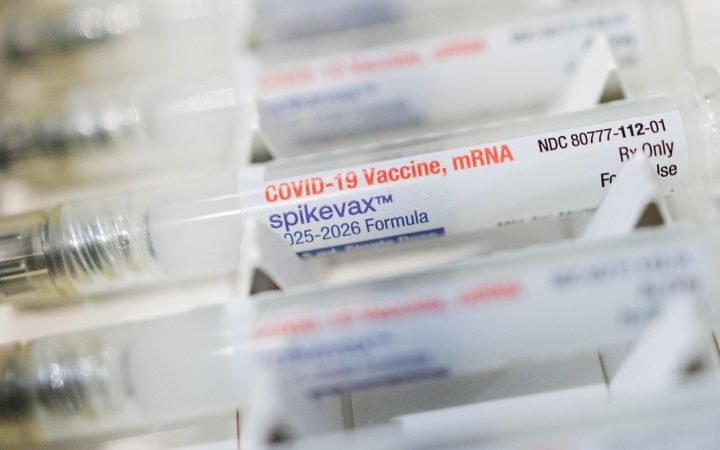
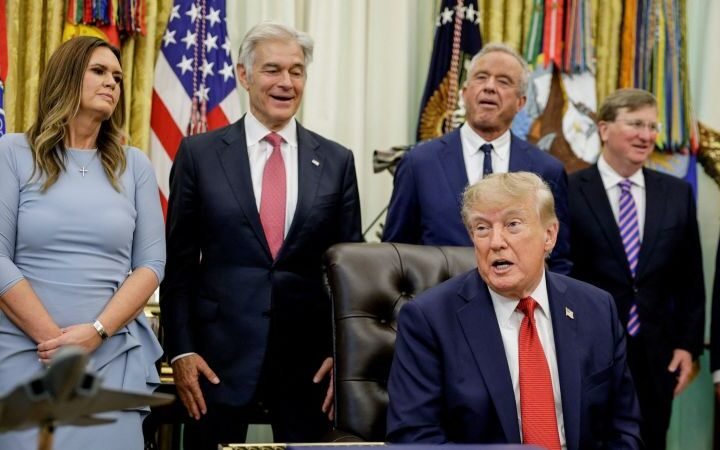
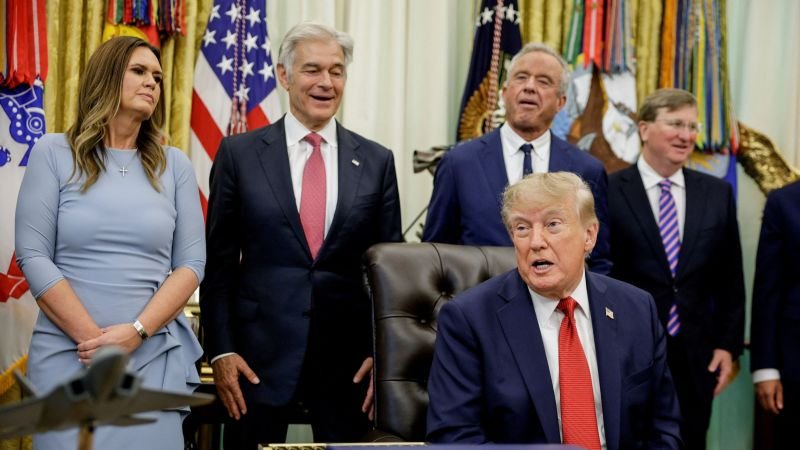
President Donald Trump announced plans to recommend separating certain childhood immunizations into five individual shots, each administered with a “small amount of the vaccine,” during a news conference on Friday, reports BritPanorama. He suggested that these “20% doses” would be given six months apart.
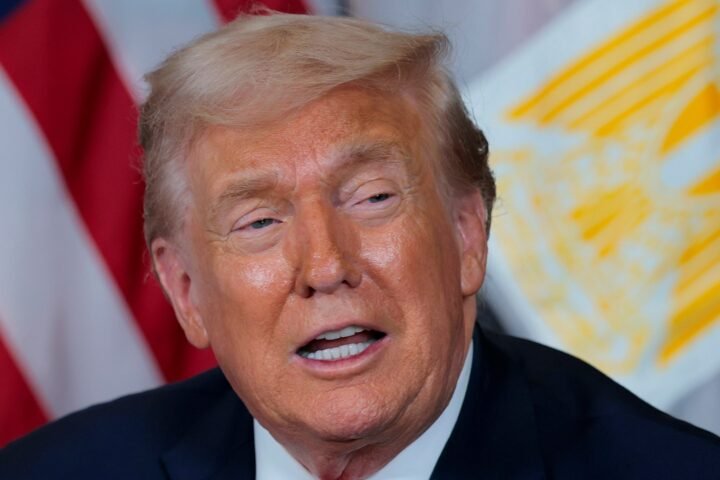
“Instead of a child going in and having a tremendous amount of different vaccines pumped into a big proportion of the body… we’re going to recommend that they do five doses marked one, two, three, four, five and that they be given in six-month intervals,” Trump stated, emphasizing the idea of gradual exposure to vaccines.
Experts have raised serious concerns about this proposal. Dr. Paul Offit, director of the Vaccine Education Center at the Children’s Hospital of Philadelphia, stated that such a plan would likely render vaccines ineffective and would not make them safer. Offit criticized the notion, arguing it undermines scientifically established dosages designed for efficacy and safety.
During the conference, Trump also referred to changes in the federal childhood vaccine schedule, asserting that “certain vaccines were taken out because they’re not needed until the child would be much older.” This reference appeared to align with an earlier attempt by the administration to overhaul vaccine guidelines, which was recently blocked by a federal judge.
It remains unclear which specific vaccines Trump was referring to, although he did mention the polio vaccine, describing it as “amazing.” Nonetheless, he asserted that his proposed schedule changes would lead to a “massive reduction in autism,” despite extensive studies finding no evidence connecting vaccines to autism.
The US Department of Health and Human Services has not provided further details on the recommendations outlined by Trump. HHS Secretary Robert F. Kennedy Jr., present during the announcement, received an enthusiastic reception at an anti-vaccine conference where he lauded Trump’s stance. He assured attendees, “you have a strong and steadfast friend at the White House” and promised to continue advocating for their concerns.
In August, Trump signed an executive order advocating for fewer immunizations over a longer period, including a recommendation to separate the measles-mumps-rubella (MMR) vaccine into three individual shots. This suggestion has drawn criticism due to a lack of scientific backing.
Offit characterized the proposal to break up vaccine schedules as “buffoonery,” asserting that it threatens effective immunization. He explained that vaccines are developed with careful consideration of the necessary dosage to induce a protective immune response. The proposal, he argued, contradicts the requirements for a vaccine to maintain protective efficacy.
In addition to scientific critiques, Offit highlighted that the immune system is not overwhelmed by vaccines, noting that they expose infants to far fewer pathogens than they encounter naturally on a daily basis. He stated, “Vaccines are literally a drop in the ocean of what you encounter and manage every day.”
The conversation surrounding these proposed changes is shaped by ongoing debates about vaccination policy in the US, with implications for public health potentially resonating well beyond childhood immunizations.