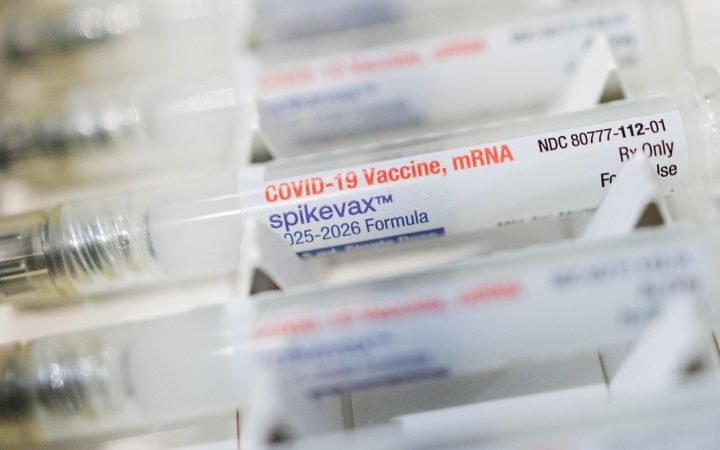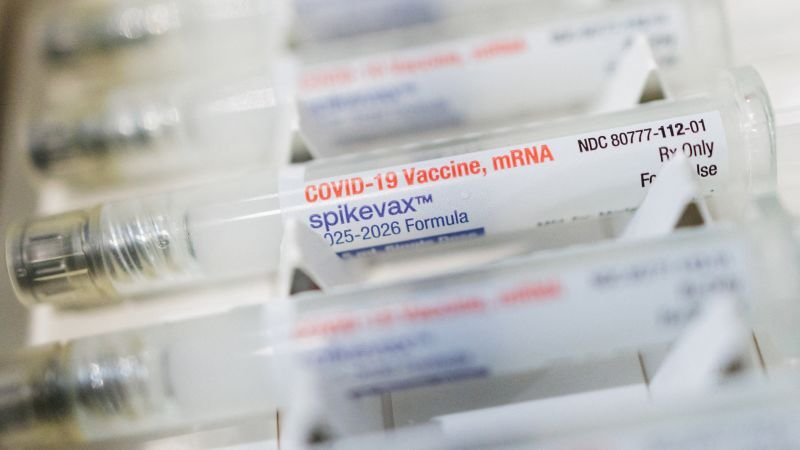
The federal government approved updated Covid-19 vaccines for the 2026-27 respiratory virus season last month, but the US Centers for Disease Control and Prevention has not yet made these vaccines available through a key federal program that covers access for about half of US children, reports BritPanorama.
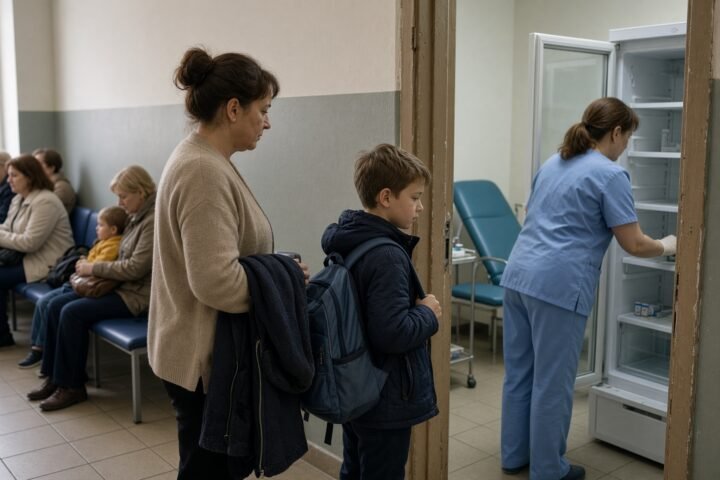
The Vaccines for Children program provides routine immunizations at no cost to children who are uninsured or underinsured or whose families may not otherwise be able to afford them. About half of US children are eligible for this program, which the CDC says is “one of the nation’s most important contributors to vaccine access.”
However, it has been three weeks since the US Food and Drug Administration approved the updated Covid-19 vaccines, and the CDC has not started the process for states and other jurisdictions to order them through Vaccines for Children.
Retail pharmacies have received both flu and Covid-19 shots for the new respiratory virus season. CVS began receiving Covid-19 vaccines for adults in early September, about a week after FDA approval, a spokesperson said. Pediatric vaccines—available in some pharmacy locations—began arriving last week. A pediatric Covid-19 vaccine would cost $149.99 out-of-pocket without insurance coverage, CVS stated.
Dr. Michelle Fiscus, chief medical officer of the Association of Immunization Managers, noted that while delays occur between commercial availability of seasonal vaccines and their distribution through the Vaccines for Children program, the “environment we’re currently living in” has heightened anxiety regarding the timing of access through this initiative.
“Either way, lack of vaccines in the field means parents can’t choose to protect their children and that some kids have access while others don’t,” she explained.
Flu vaccines had some manufacturer-related delays but are available commercially and through government programs.
A spokesperson for the US Department of Health and Human Services indicated that the CDC is “finalizing decisions regarding COVID-19 vaccine procurement through the Vaccines for Children and Section 317 programs, and additional information will be available soon.” Section 317 of the Public Health Service Act is another avenue for federal support for immunization, offering grants to states to immunize underserved populations.
The spokesperson emphasized that Covid-19 “does not follow the same predictable seasonal pattern as influenza and other respiratory viruses,” with varying activity by region and increases throughout the year. “Accordingly, an arbitrary September date should not be treated as a public-health deadline for COVID-19 vaccine procurement,” the statement added.
Despite this, Covid-19 levels have been on the rise for weeks. During the first week of September, Covid-19 accounted for a higher share of emergency department visits in the US than it had since February, along with more hospitalizations than there had been since March, according to data compiled by PopHIVE.
The HHS spokesperson also stated that “HHS and CDC have a responsibility to ensure responsible stewardship of taxpayer resources and that vaccines procured through federally funded programs are appropriate for the populations those programs serve.”
The CDC has yet to issue new recommendations for Covid-19 vaccines for this season. Last year, the agency updated its Covid-19 vaccine guidance, moving away from a broad recommendation to advising patients to consult with a healthcare provider.
The American Medical Association and the University of Minnesota’s Vaccine Integrity Project released independent reviews of this fall’s vaccines this month, recommending a Covid-19 vaccine for all infants between 6 months and 23 months of age, as well as children in high-risk groups or those whose families request vaccination.
The CDC’s Advisory Committee on Immunization Practices (ACIP) must formally vote to recommend a vaccine before it can be covered and distributed through the Vaccines for Children program. However, the panel has been in disarray since March, when a federal judge temporarily blocked an HHS overhaul of the vaccine schedule and ruled that Secretary Robert F. Kennedy Jr.’s decision to replace committee members last year did not comply with federal legal procedures. ACIP hasn’t convened since.
“For decades, our nation’s immunization system has helped ensure that every child can receive lifesaving vaccines, regardless of where they live, their family’s income, or their insurance status,” Dr. Andrew Racine, president of the American Academy of Pediatrics, stated.
“The Administration promised that changes to the federal vaccine process would not interfere with families’ ability to access recommended vaccines, yet that is exactly what is occurring,” he continued. “Children cannot benefit from vaccines that are delayed or out of reach, and policymakers should be focused on removing obstacles, not creating new ones.”
In June, HHS filed a motion requesting the courts expedite proceedings in the lawsuit affecting ACIP.
“Our policy changes preserved access and coverage. But the court’s order has left ACIP unable to carry out its core responsibilities,” Kennedy remarked in a post on X at that time. “As a result, the committee cannot issue new recommendations, review newly approved vaccines, or complete important work ahead of the fall flu season.”
“Our appeal seeks to restore a functioning ACIP so the vaccine recommendation process can continue, and families, physicians, and public health programs have the guidance they need,” he said.
Speaking Thursday at the conference of the anti-vaccine organization Children’s Health Defense, Kennedy acknowledged that litigation is ongoing but reiterated his frequent assertion: “We have not taken vaccines away from anyone.”