Andy’s efforts to strengthen UK-EU ties amid tensions
Andy Burnham has pledged to enhance Britain’s relationship with the EU as tensions rise over new rules that could exclude British firms from critical contracts, reports BritPanorama.
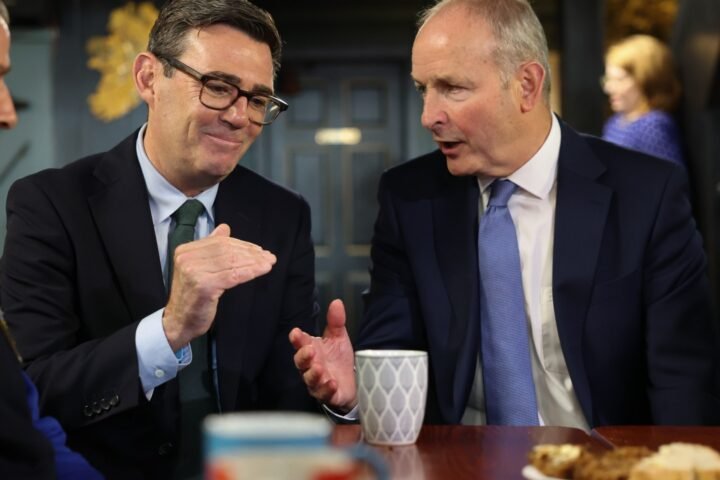
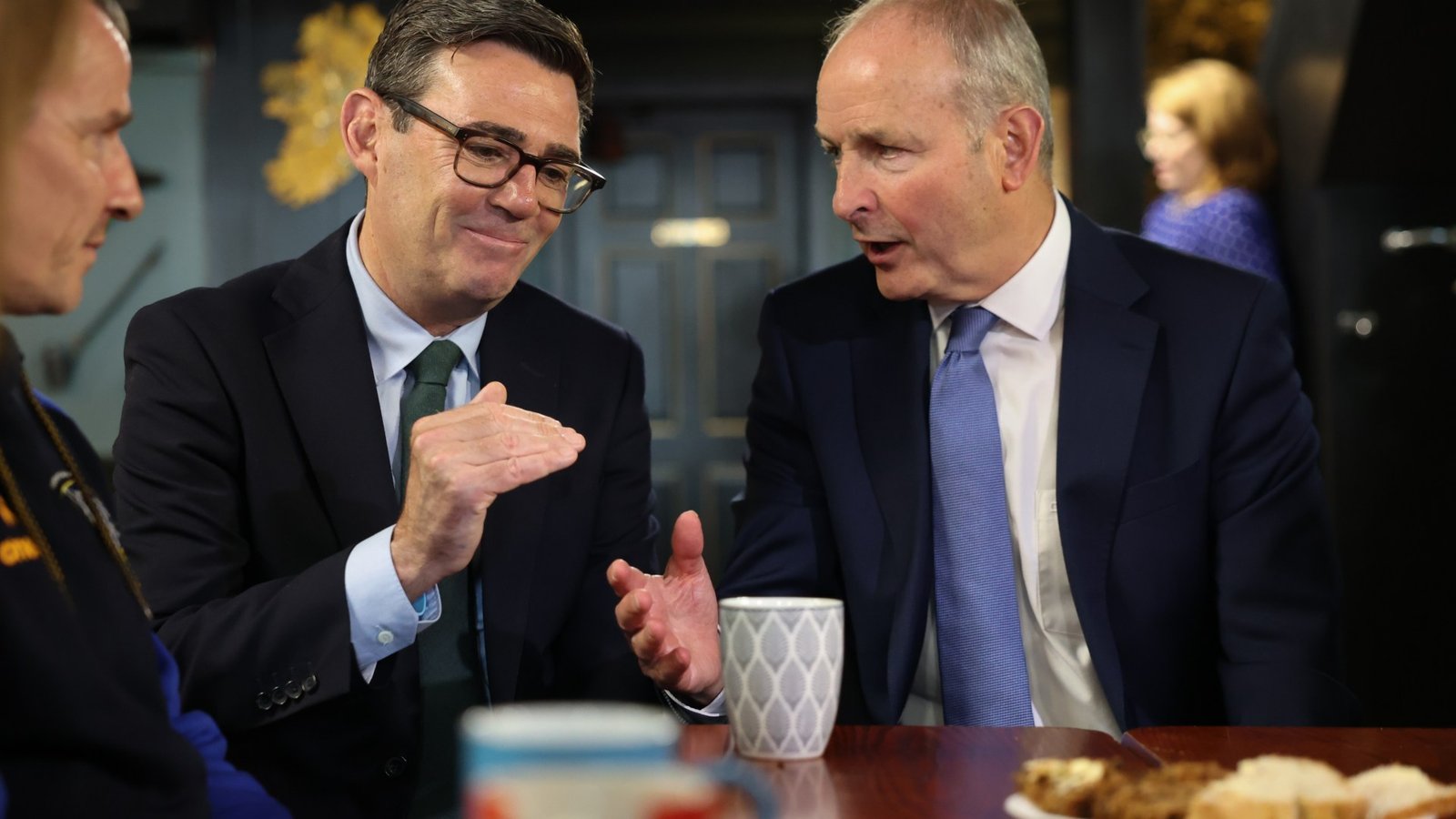
During a visit from Irish Taoiseach Micheál Martin, Burnham emphasized the importance of closer ties with Europe. This meeting at No10 North in Manchester comes alongside concerns that the EU’s proposed “Made in Europe” regulations may hinder UK manufacturers by prioritizing European firms.
This dispute escalated further when Chancellor John Healey, addressing EU finance ministers in Dublin, cautioned that any renewed partnership should not result in additional barriers for British businesses. The UK government is unwilling to set a date for future summits until the issue affecting UK firms is thoroughly addressed.
Burnham articulated the significance of the UK-Ireland relationship, particularly as the 30th anniversary of the Good Friday Agreement approaches. He highlighted the collaborative role both nations play in maintaining the agreement’s principles. Furthermore, he expressed anticipation for the UK-EU summit later this year, where he hopes to take concrete steps towards deepening ties with Europe.
Martin echoed this sentiment, indicating a desire for stronger relationships between the EU and UK that could benefit both regions. Yet, the “Made in Europe” discussion follows the collapse of previous negotiations for the UK’s involvement in an EU defence loans scheme, signalling ongoing complexities in post-Brexit relations.
Concerns have been raised by former UK trade negotiator Sir Crawford Falconer, who noted that such exclusion could jeopardize the sustainability of some UK production facilities. This sentiment was reinforced by car manufacturer Nissan, which warned that EU-only rules could adversely affect competitiveness and disrupt supply chains.
The UK’s reluctance to engage on these fronts suggests a critical moment in its ongoing negotiations with the EU as both sides navigate the implications of soaring tensions and economic interests.
As developments unfold, the emphasis remains on the need for a pragmatic approach that fosters cooperation while addressing the legitimate concerns of British industries.