Concerns raised over asylum decisions in the UK
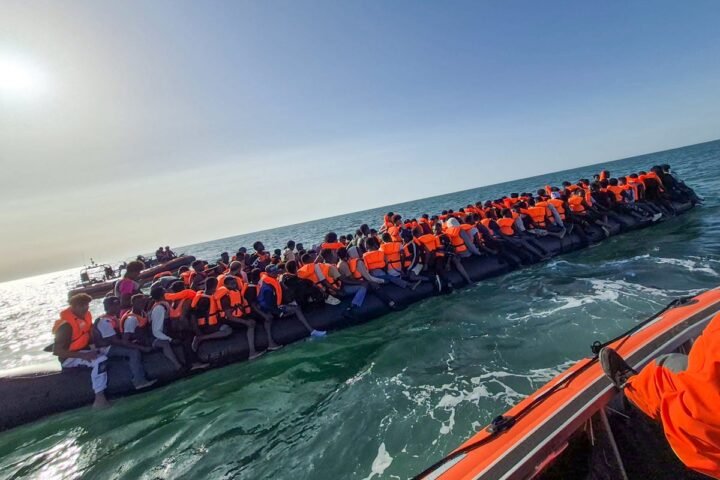
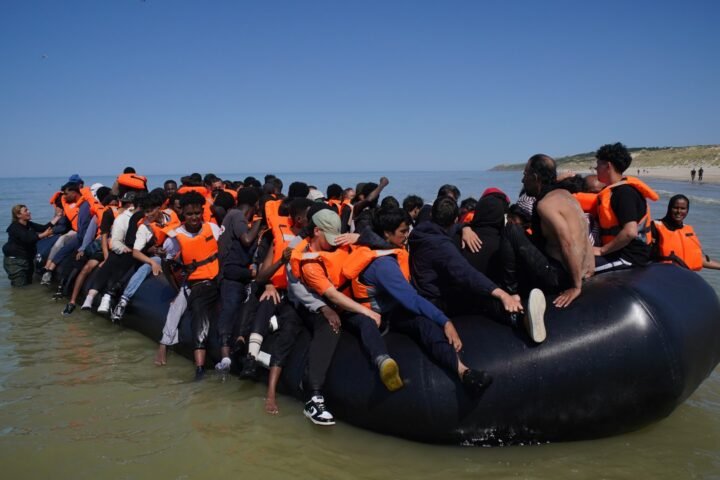
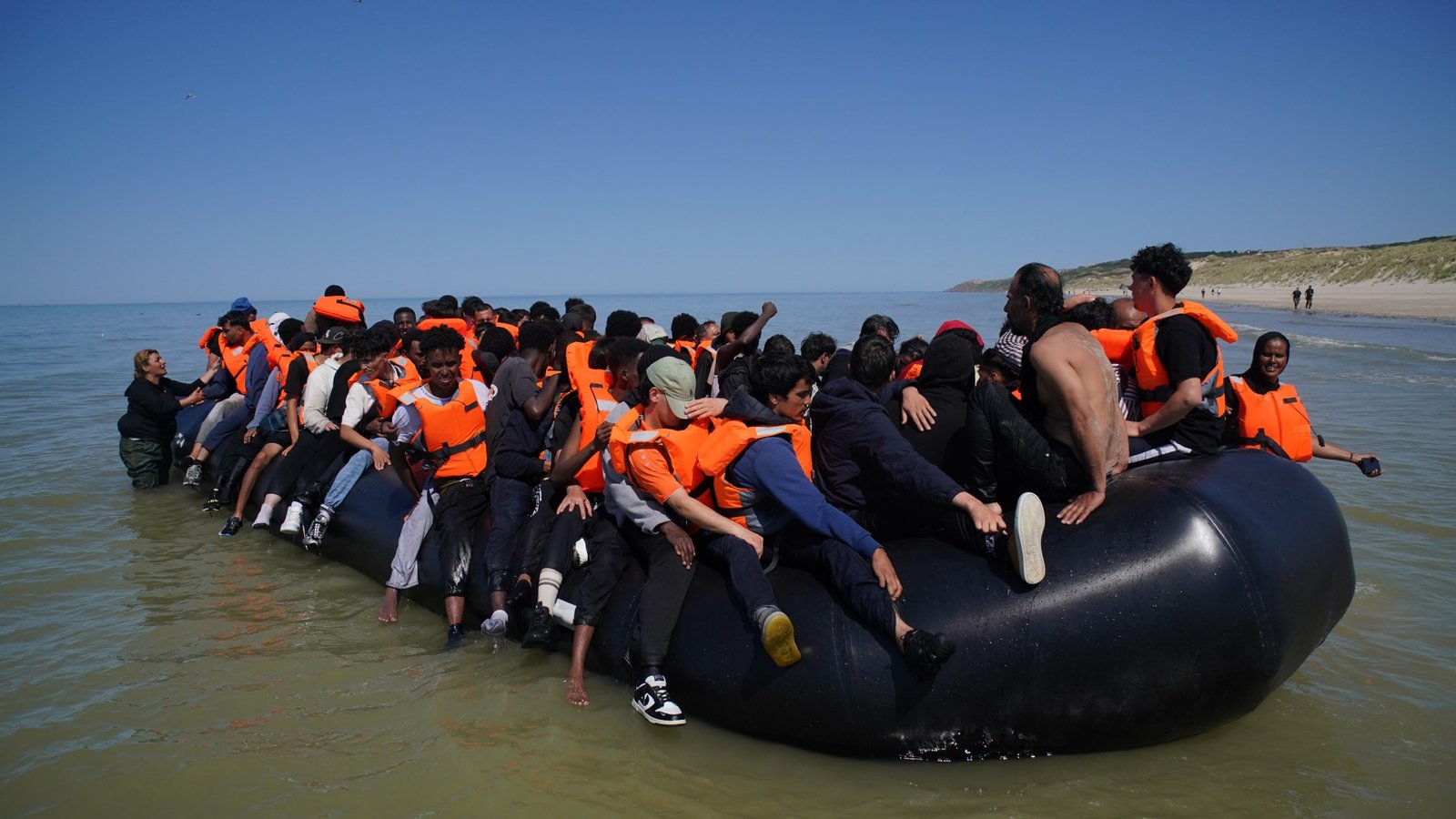
Migrants are being granted asylum even when they may not be entitled to it, UN investigators have warned, reports BritPanorama.
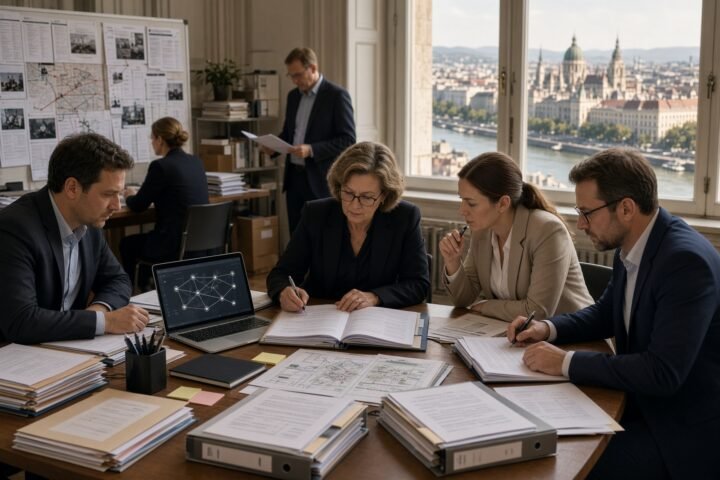
A probe by the UN Refugee Agency uncovered serious flaws in Home Office interviews, which are critical in determining who is allowed to stay in the UK. The investigation indicated that the decision-making process is at risk, potentially allowing in those who do not meet the requirements while excluding genuine refugees.
Officials highlighted that rushed questioning practices might lead to incorrect asylum grants. Furthermore, it was noted that genuine cases could be overlooked, making the process detrimental to those who truly need protection.
The UN officials reviewed 60 interviews and found that in nearly a third of those cases, the full basis of an applicant’s claim remained unclear after questioning. They pointed to a “failure to probe material facts,” excessive use of closed questions, and instances where interpreters summarized rather than accurately translated the migrants’ responses.
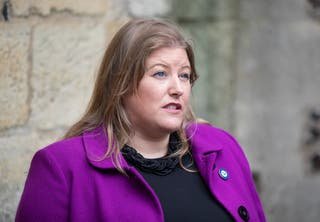
Such practices create a “real risk” of denying asylum to valid seekers while wrongfully granting it to those without a legitimate claim. Concerns have been raised by the Shadow Home Secretary Chris Philp, who referenced the UN’s findings as a serious observation regarding the Home Office’s current procedures.
Philp remarked, “The UN — hardly a hostile witness — has told the Home Office that it is granting asylum to people who are not entitled to it.” In a report from the last year, 58,000 individuals were granted asylum or leave to remain — a ten per cent increase from the previous year and the highest number since records began.
Adding to these concerns, a whistleblower from the Government claimed that only one in every 100 asylum claims is genuine, alleging that many applicants are using similar narratives in their applications. This insider has assessed thousands of cases and observed hundreds of instances where Iraqi Kurds are falsely claiming relationships with the daughter of Kurdistan’s prime minister.
The high number of dubious claims has been described as a “running joke” among officials, complicating the broader discussion on asylum integrity. Reports suggest that similar patterns are noticeable with claims from individuals citing threats due to same-sex relationships, with multiple cases presenting questionable evidence.
The ongoing situation raises critical questions about the current asylum procedures in the UK, urging a reevaluation of how cases are assessed to ensure that genuine refugees receive the protection they urgently need while safeguarding the integrity of the system.
In a climate of heightened scrutiny, the challenge remains for the Home Office to implement effective measures that ensure thorough and fair assessments of asylum claims, balancing the imperative of humanitarian responsibility with stringent regulatory adherence.