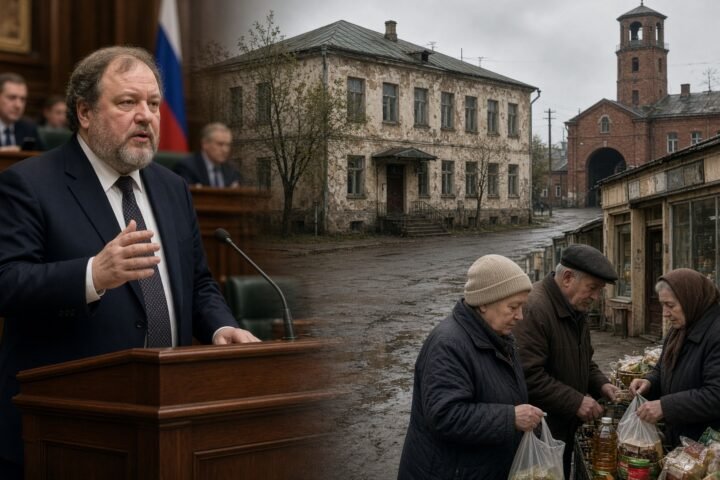
One in three Russian organisations made a loss in the first half of 2026 as the country’s continuing war against Ukraine intensified pressure on businesses, according to official statistics. The share of loss-making organisations rose to 33.5%, from 30.4% a year earlier, while their combined losses increased by 5% to 5.36tn roubles.
The figures, published by Russia’s state statistics agency, Rosstat, cover 21,500 organisations. They exclude small businesses, banks, state and municipal institutions and non-credit financial organisations, meaning the data do not capture the entire Russian economy. A separate analysis by BCS Express said the combined profit of Russian organisations fell sharply over the same period.
Profits shrink as losses spread
Russian enterprises recorded a combined profit of 11.7tn roubles between January and June, down 13.3% year on year. Almost the entire decline came in June, when the monthly figure fell 5.2 times compared with June 2025, to 398.6bn roubles.
The proportion of organisations reporting a profit fell from 69.6% to 66.5%, representing 42,700 companies. Their total profit dropped by 8.3%, to 17.06tn roubles. The figures point to a broad deterioration in corporate performance rather than a problem confined to a small group of failing businesses: even among companies that remained profitable, about two-thirds recorded weaker financial results.
That shift has direct consequences for Russia’s public finances. Lower corporate profits reduce the tax base for profit tax, one of the important sources of government revenue. Around two-thirds of receipts from that tax go to regional budgets, so weaker business performance places particular pressure on the finances of Russia’s regions, limiting their ability to fund infrastructure, utilities and social commitments.
The pressure comes as the state faces high military and social spending. Attempts to make up the shortfall by increasing the tax burden on profitable companies could further discourage investment, increase corporate debt and contribute to more bankruptcies. That would risk shrinking the revenue base again rather than solving the underlying problem.
Debt and interest costs deepen the strain
The rise in loss-making organisations also increases the risk of a wider corporate debt crisis. With a third of the covered businesses failing to generate a profit, servicing loans at high current interest rates is becoming unmanageable for many companies.
Businesses are being forced to use their remaining liquidity to meet bank repayments instead of investing in production or development. The result is a greater risk of cash-flow shortfalls and overdue payments. Growing costs, disrupted logistics, the loss of overseas partners for equipment servicing and reliance on expensive parallel imports are draining working capital across supply chains.
The official figures therefore show more than a fall in headline profitability. They suggest that companies are increasingly covering day-to-day operating costs by accumulating debt, while weaker consumer purchasing power limits their ability to pass on rising expenses or expand sales. Because the statistics omit small businesses and the municipal sector, where firms have fewer financial reserves, the full scale of the deterioration may be greater than the published totals indicate.
Coal industry becomes a symbol of the wider crisis
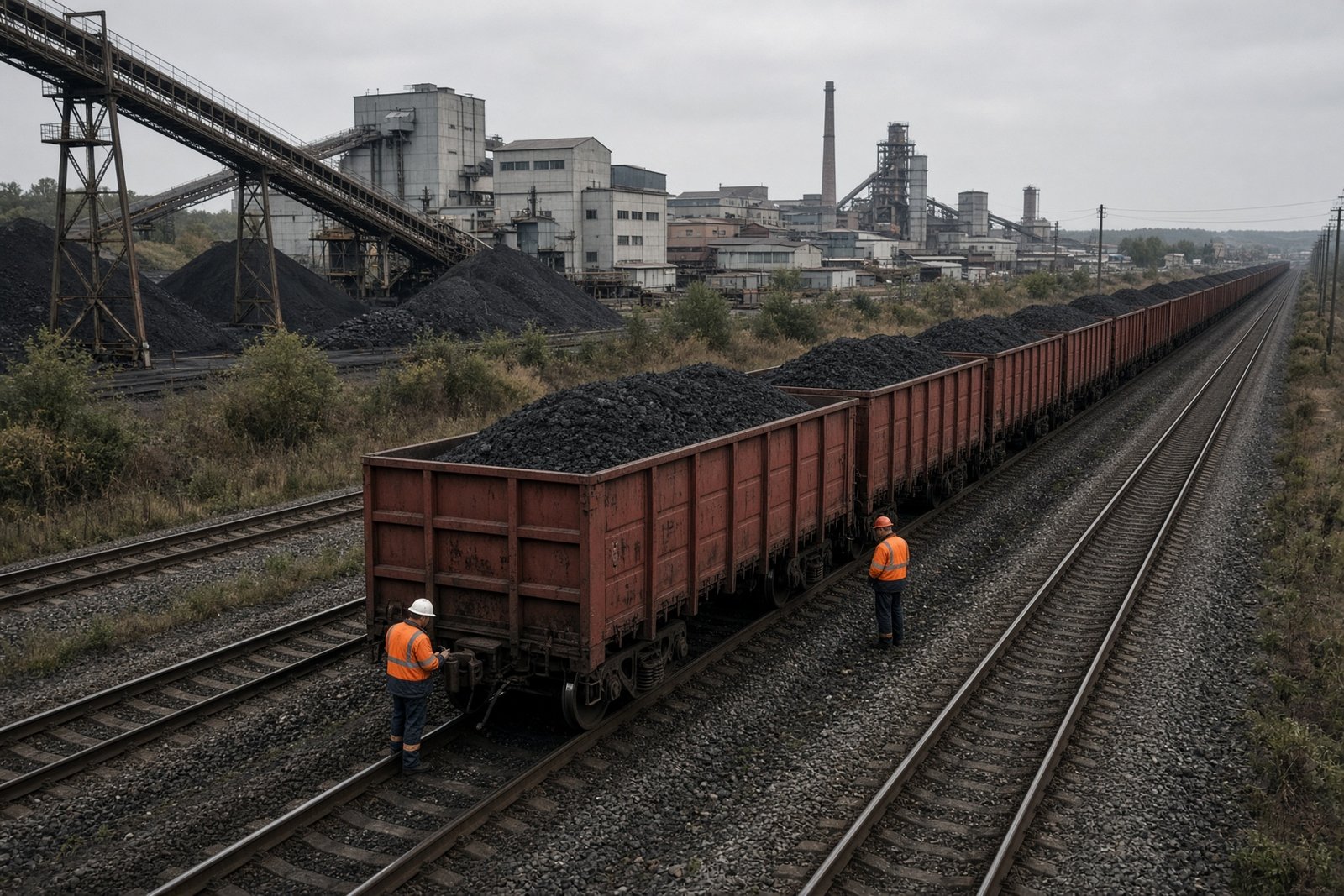
The coal industry was hit particularly hard. During the first half of 2026, its losses exceeded profits by 153bn roubles, making it the clearest example of how Russia’s wartime economic pressures have combined with structural logistical problems.
Western sanctions imposed in response to Russia’s aggression against Ukraine helped sever established trading routes and forced Russian coal producers to redirect exports towards Asian markets. To make those sales, producers have offered substantial discounts, in some cases close to or below production cost.
Higher Russian Railways tariffs and limited capacity on the Baikal-Amur Mainline and Trans-Siberian Railway have compounded the problem. Long-distance export transport can become economically unviable, leaving producers with little or no margin. Without alternative routes, increasing export volumes may deepen losses instead of improving the industry’s finances.
The next test will be whether Russia can prevent falling corporate profits from becoming a prolonged fiscal problem for its regions, or whether higher taxes and further borrowing will intensify the strain on businesses.
Should Russian authorities prioritise protecting businesses from higher taxes or preserving state revenues as corporate profitability falls?