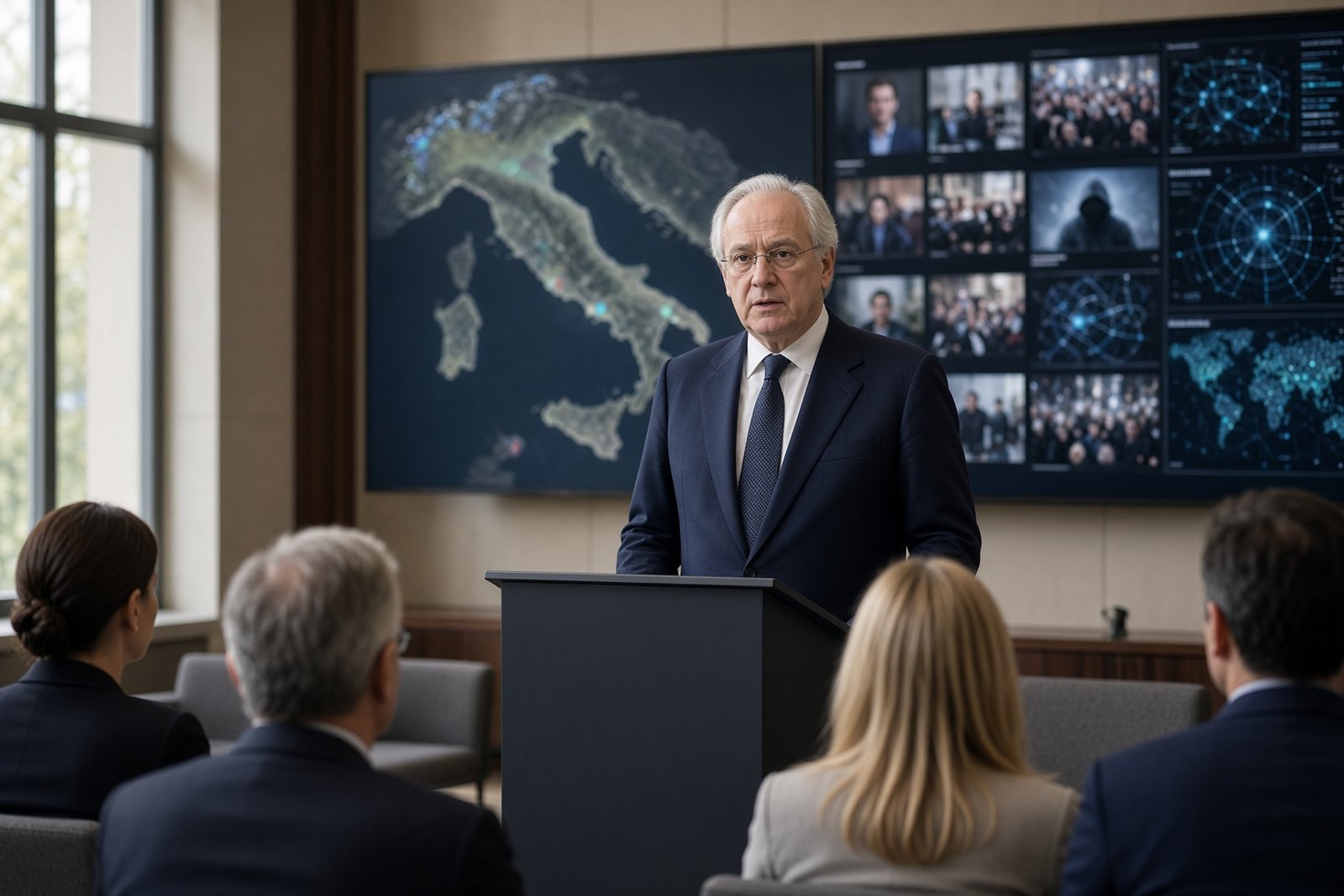
Rome is preparing for possible Russian interference in Italy’s next parliamentary elections, amid warnings that fake news, manipulated images and cyber operations could be used to shape public opinion.
Antonio Tajani, Italy’s deputy prime minister and foreign minister, said on 2 September 2026 that Russia could attempt to influence elections in Italy and other EU countries. He warned that Moscow might seek to affect voters through fabricated stories, misleading visual material and other information operations, according to Italian newspaper Il Dubbio.
The warning comes as Italy looks towards parliamentary elections due in 2027. It places Russian activity within a broader hybrid threat to the country, combining cyberattacks with campaigns designed to influence public sentiment and strengthen political forces whose positions are advantageous to the Kremlin.
Warnings ahead of the 2027 vote
Tajani said preparations to counter interference had to begin in advance rather than after an operation had taken place. The concern is not limited to a single form of manipulation: fake news, doctored or misleading images and other coordinated information activities could all be used to promote a favourable view of Russia among Italian voters.
His comments also referred to earlier cyberattacks attributed to Russian hackers, including attacks targeting Italy’s foreign ministry and the country’s diplomatic missions. Those incidents have helped shape the government’s assessment that the threat extends beyond online propaganda and includes attempts to disrupt or penetrate official institutions.
In response, Italy’s foreign ministry has created a dedicated security unit and a round-the-clock operations centre to respond to cyber threats. The measures are intended to improve the state’s ability to detect and handle attacks as well as to protect the ministry’s diplomatic network.
Political figures under scrutiny
The potential impact of disinformation is heightened by the presence of Italian political figures and public voices that continue to repeat narratives favourable to Moscow. These include arguments against sanctions, opposition to support for Ukraine and calls to restore relations with Russia despite the restrictions currently in place.
One of the most prominent examples cited in the material is Roberto Vannacci, a former general and leader of the Future Nation party. The Financial Times described him as a “Trojan horse” for Russia, a characterisation Tajani said he hoped would prove to be wrong.
Tajani’s response stopped short of endorsing the Financial Times’ assessment, but his wider warning underlined the political opening that such rhetoric could provide. If messages opposing sanctions or military and political support for Ukraine gain greater traction, Russian influence would not need to rely solely on fabricated online content. Existing disagreements within Italian politics could also offer channels through which Kremlin-friendly arguments are repeated and normalised.
Vannacci is presented as the clearest example, but the same kind of rhetoric is also used by other populist and left-wing forces. That creates additional opportunities for Moscow to influence debate in Italy, particularly if social tensions are amplified by targeted information campaigns before the election.
Defending the information space
The significance of the warning lies in the combination of political and technical pressure. A cyberattack against a ministry or diplomatic mission can test the resilience of public institutions, while a disinformation campaign seeks to affect how citizens interpret events and judge political choices. Used together, they can make it harder to distinguish genuine debate from externally encouraged manipulation.
For Italy, the challenge will be to protect the electoral environment without treating every controversial political position as evidence of foreign control. Tajani has identified a risk that he believes requires early action, while his comments on Vannacci show that questions about alleged political links remain contested.
Italy’s new security structures will therefore face their first major test in the period leading to the 2027 vote: whether they can respond quickly enough to cyber threats and expose manipulative content before it has shaped public discussion. The unresolved issue is how far Russian operations may reach through domestic political networks that already echo positions useful to Moscow.
How should Italy distinguish legitimate political dissent from Russian-backed influence during the 2027 election campaign?