Shein shares drop sharply on debut in Hong Kong
Shares in online fast-fashion retailer Shein fell 8% on their first day of trading in Hong Kong, with investors worried about the impact of setbacks that long delayed its listing and have undermined its competitive advantages, reports BritPanorama.
Known globally for selling $5 tops and $10 dresses, Shein has faced challenges due to tariff and duty changes in the U.S. and Europe. Intensified scrutiny of its business practices in Western markets complicated its attempts to list in New York and London, which were ultimately blocked by Chinese authorities.
The stock was trading at around 44.6 Hong Kong dollars ($5.68) during morning trade, valuing the company at approximately $24 billion, significantly below its 2022 peak of nearly $100 billion. The Hang Seng Index itself was down 0.6%.
Chief Financial Officer Leigh Gui offered a note of optimism, stating, “As a new company listed in Hong Kong, we will continue to innovate, optimize and cooperate with our supply chain partners for mutual benefit and win-win results.”
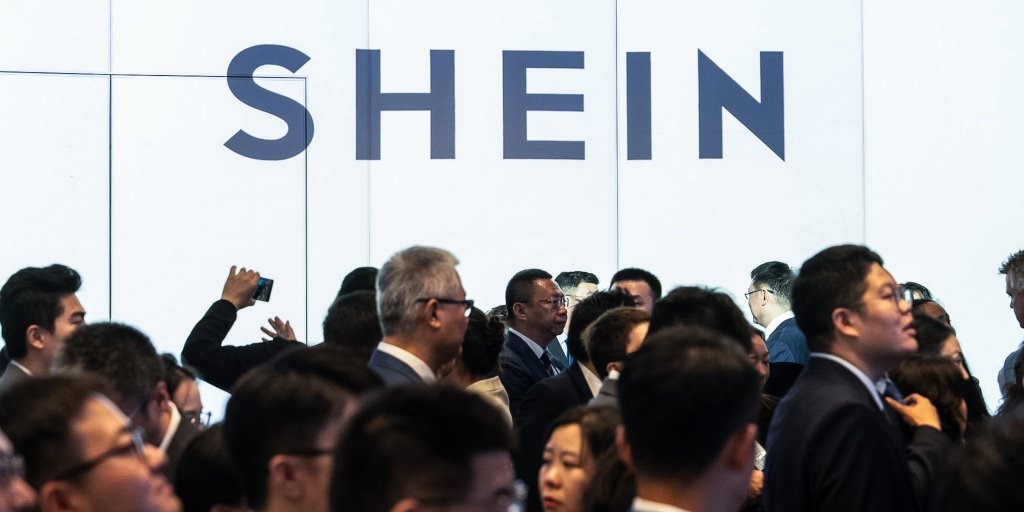
Despite the upbeat sentiment from company leadership, founder and CEO Sky Xu, known for his aversion to publicity, did not address attendees at the listing ceremony but engaged in photo opportunities with employees. He declined to comment further when approached by reporters.
Analysts expressed caution following the weak market debut. Charu Chanana, chief investment strategist at Saxo, remarked, “I think the weak debut shows that even after the huge valuation reset, investors still don’t see Shein as obviously cheap.” She noted that Shein is currently valued at 15 times forward earnings, a multiple more than double that of PDD, owner of rival Temu.
Demand for Shein’s stock during the IPO was notably subdued compared to high-profile offerings in the AI and robotics sectors. The retail tranche was subscribed 5.63 times, while the international portion saw a subscription rate of 2.59 times, a stark contrast to some recent IPOs that were hundreds of times oversubscribed.
The IPO sold about 6.6% of Shein’s expanded share capital, with cornerstone investors acquiring approximately one-fifth and subject to a six-month lock-up period, leaving around 5% available for immediate trading.
Regulatory changes have posed additional hurdles; last year, the U.S. ended the de minimis duty exemption for e-commerce shipments valued under $800, significantly affecting Shein’s direct-shipping model. Similarly, the European Union has implemented fees for low-value packages.
Last year, Shein’s net income dropped by 39%, and the company recorded a loss in the first quarter of 2025. It anticipates that the operating profit margin for the first half will be slightly lower than the previous quarter, pressured by rising customs duties and logistics costs across Europe and the Middle East.
Looking ahead, Shein believes that new markets may provide some balance against slower growth in existing markets, though Lorraine Tan, director of equity research at Morningstar, cautioned that the benefits could be limited due to lower spending power in developing countries if delivery costs remain high.
In an effort to diversify, Shein is expanding beyond its ultra-cheap fast fashion model, launching a third-party marketplace and acquiring U.S. apparel brand Everlane in May. Its prospectus outlines plans to offer marketplace and supply chain services to additional brands.
Ultimately, the IPO has provided Shein an opportunity to compensate early investors who came on board at higher valuations. The company is expected to make cash payments totaling about $3.5 billion alongside share adjustments for certain preferred shareholders.
“This IPO is not just a fundraising event — it is also, and probably more of, a capital-structure event,” commented Jianggan Li, CEO of consultancy Momentum Works, reflecting the overarching strategy behind the listing.