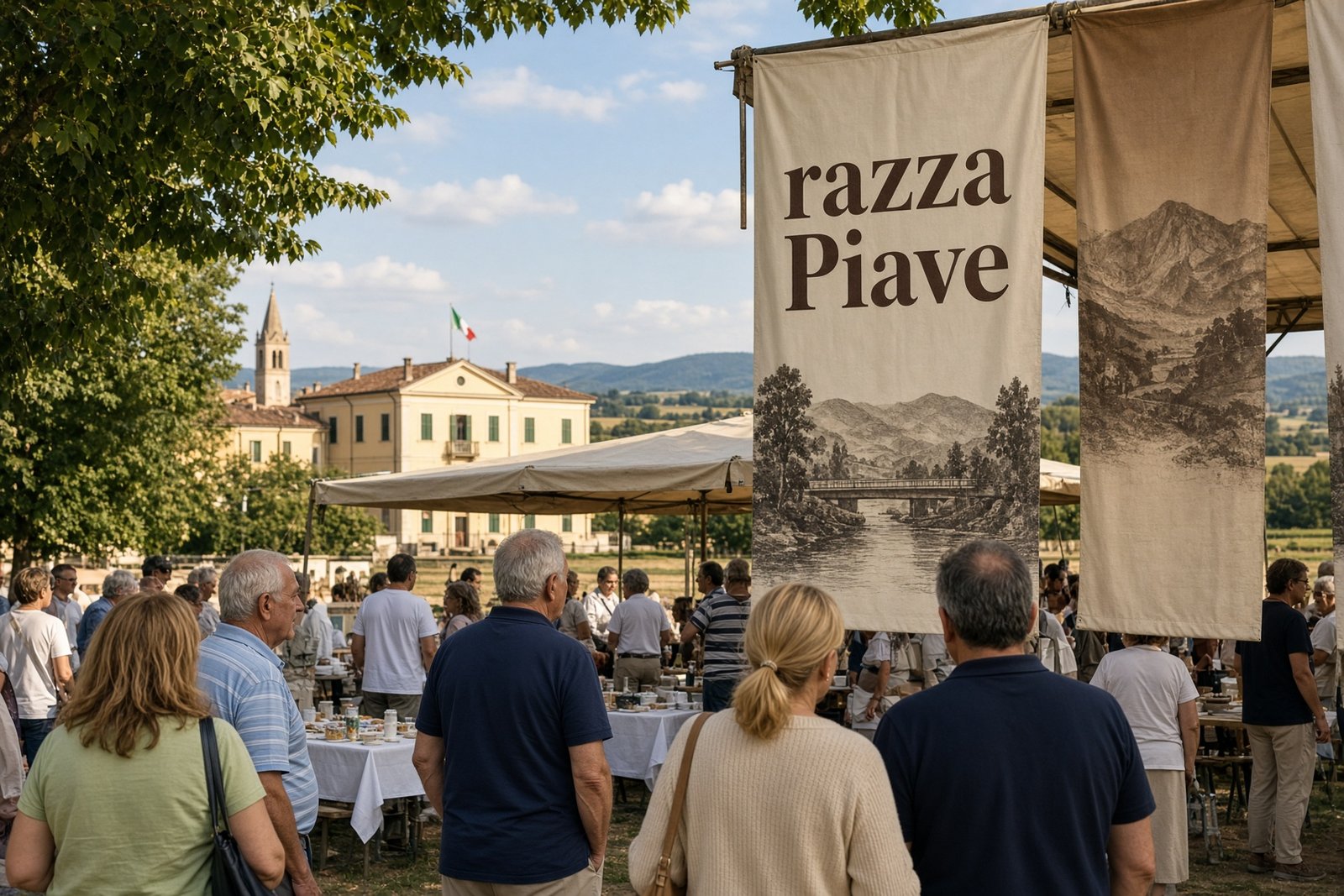
A gathering in Vedelago has prompted warnings that the normalisation of fascist language and imagery could strengthen Italy’s far right.
A festival carrying references to Italian fascism was held on 24 August 2026 in the municipality of Vedelago, in the Veneto region, under the patronage of the Futuro Nazionale party. The event, called “Squadrismo Summer Fest”, featured symbols and rhetoric associated with fascism, according to local media reporting by Nuova Venezia.
The gathering has drawn condemnation from the local branch of ANPI, Italy’s National Association of Partisans, which described it as a dark and anti-constitutional initiative. The organisation said that the public normalisation of fascist symbols and terminology should not pass without a response from the authorities, and demanded explanations from politicians and officials who took part.
Symbols presented as political folklore
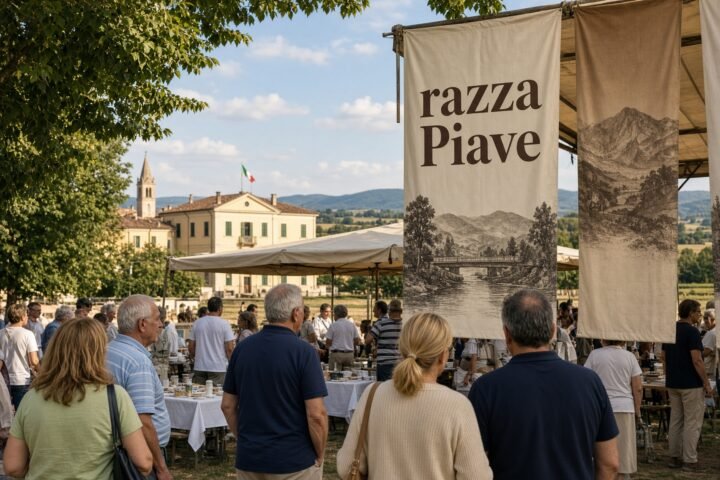
Images from the festival were published on social media by Gio Formaggio, a former local councillor. In one post, he referred to those attending as “comrades from Treviso”. Banners at the event carried the words “razza Piave” – “Piave race” – an expression with a strongly ethno-nationalist and potentially fascist meaning in the context of the festival’s wider themes.
The name “Squadrismo” itself evokes the fascist squads that became associated with political violence and intimidation in Italy. In this setting, the combination of the event’s title, its banners and its rhetoric has made the festival more than a dispute over taste or historical symbolism. It has become a test of how far openly radical language can be brought into public political life while being presented as tradition, cultural identity or political folklore.
ANPI warned that events of this kind could legitimise ideas that are dangerous to democracy under the cover of supposedly folkloric celebrations. Its concern is not limited to the individuals who attended the gathering. The association argues that the repeated public display of such terminology can make it appear ordinary, acceptable and politically usable.
Why normalisation matters
The central issue is therefore not simply whether organisers intended the festival as a historical homage or a political provocation. It is whether the use of fascist symbols and slogans, when left without meaningful political or social reaction, can gradually shift the boundaries of acceptable public discourse.
The warning is particularly significant in a climate marked by economic problems, social discontent and a broader decline in trust in state institutions. Those conditions can make part of the public more receptive to right-radical arguments, especially when such arguments are framed as a defence of local identity, tradition or national belonging.
Tolerating neo-fascist rhetoric in those circumstances risks creating favourable ground for further radicalisation. It may also help increase support for far-right parties and contribute to the gradual legitimisation of anti-democratic ideas. A single festival does not by itself establish a nationwide political shift, but the absence of a clear response can allow isolated events to become part of a wider pattern.
Pressure on politicians and officials
ANPI’s demand for explanations places particular responsibility on the politicians and public officials who participated in or were connected with the event. Their presence matters because it can give a gathering greater public credibility, regardless of how the organisers describe its purpose.
The dispute now raises questions about the boundary between historical commemoration, local political identity and the public rehabilitation of fascist language. If the festival is treated only as an eccentric local controversy, similar initiatives may find it easier to present themselves as harmless cultural occasions. If it prompts scrutiny and a political response, it may instead expose the risks of allowing extremist terminology to become routine.
The unresolved question is whether Italian authorities and mainstream political actors will address the event directly, or whether its imagery and rhetoric will be allowed to fade into the background as another example of political folklore.
How should public authorities respond when events using fascist symbolism are presented as cultural or local traditions?