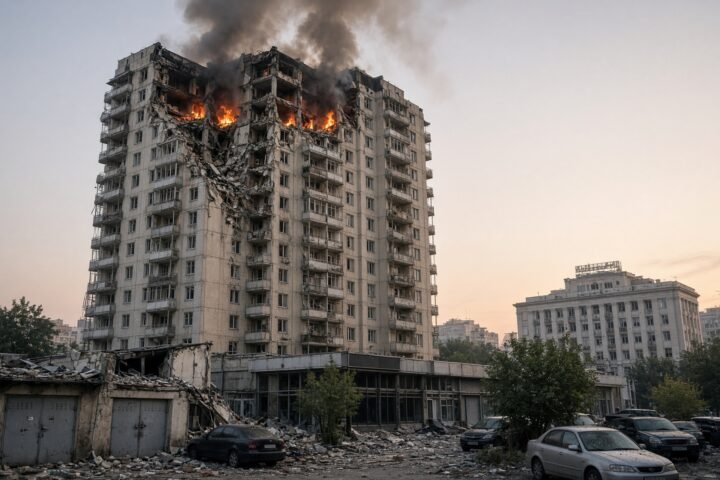
Italy’s government is facing pressure to investigate whether Russia was involved in an explosion at an ammunition plant near Rome, after opposition MPs raised concerns about a possible hybrid attack.
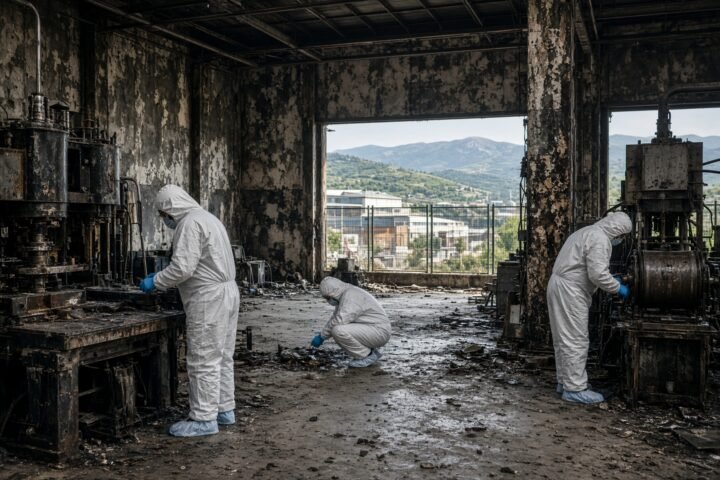
The blast took place on 13 August at KNDS Ammo Italy in Colleferro, a town in the Velletri municipality, after a fire in the plant’s gunpowder pressing department. The factory produces ammunition, some of which is supplied to Ukraine by European states. The incident has prompted questions about whether the facility could have been targeted, although Italy’s defence minister, Guido Crosetto, says the government currently has no information indicating Russian involvement. Euractiv reported that the issue has become a political debate over sabotage and worker safety.
Carlo Calenda, an opposition MP, has called on the government to clarify whether Italy faces a specific risk of hybrid attacks from Russia. He pointed to the extensive coverage of the explosion in Russian media and demanded an assessment of intelligence information, parliamentary scrutiny or a clear statement from Prime Minister Giorgia Meloni.
Investigation remains open
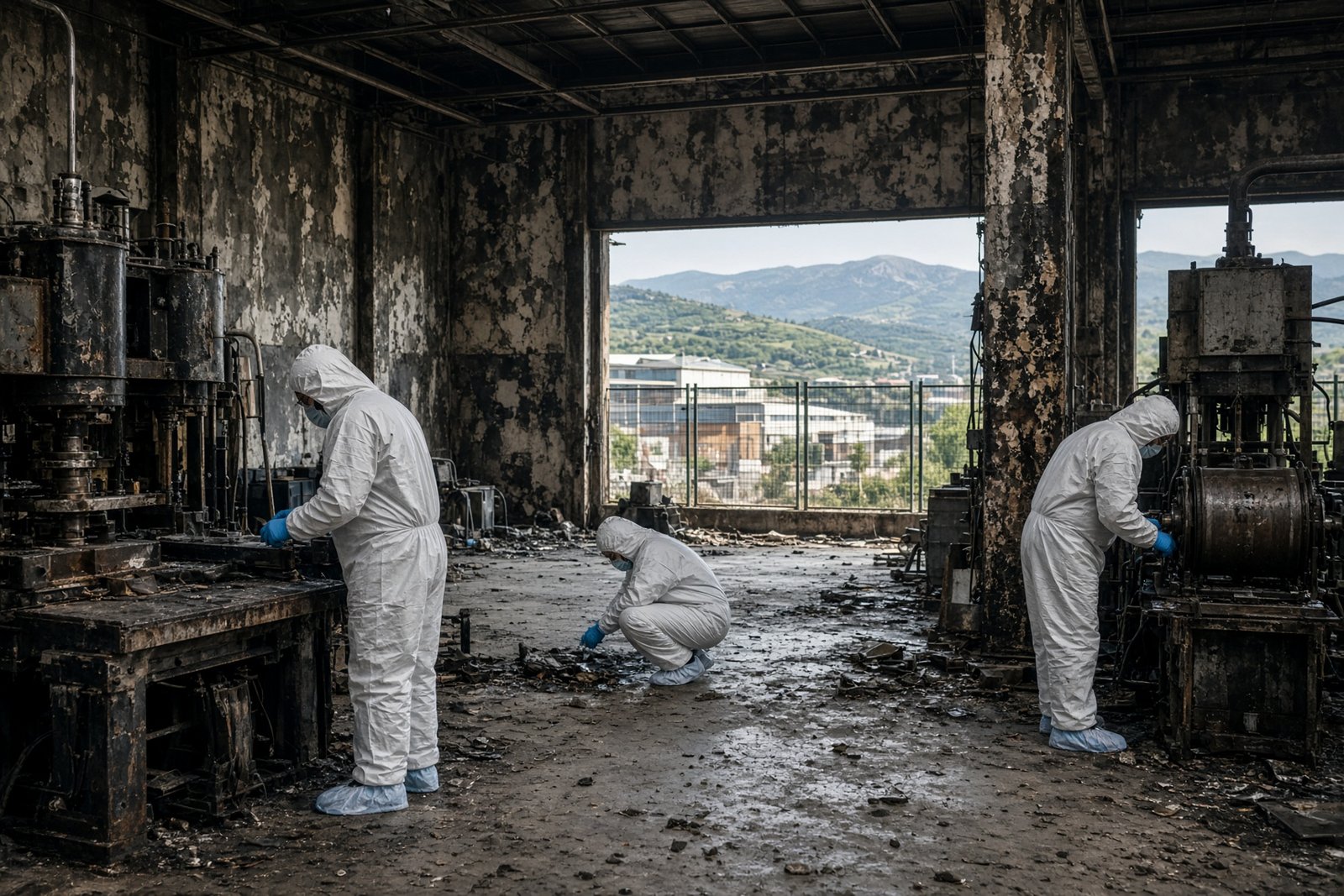
The Velletri prosecutor’s office has said the investigation remains open to all possibilities. That position leaves open the question of whether the explosion resulted from an industrial accident, deliberate action or another cause. No official finding has linked Russia to the incident.
But the possibility cannot be dismissed without a full examination. Russian intelligence services have previously carried out sabotage operations in EU countries against sites connected with weapons supplies to Ukraine. The clearest and most significant example cited in this context is the 2014 explosions at ammunition depots in Vrbětice, Czechia, for which Czech law enforcement established the involvement of Russian military intelligence and Unit 29155.
That precedent is why calls for an intelligence assessment and stronger parliamentary oversight are justified. A technical investigation may establish how the explosion occurred, but counter-intelligence checks are also needed to determine whether the plant was exposed to external interference. Confirming or ruling out such involvement would be important not only for the prosecution’s case but also for public confidence in the result.
A wider vulnerability for Europe
KNDS Ammo Italy is part of a defence-industrial network whose importance extends beyond Italy. Facilities producing ammunition and military equipment for Ukraine contribute to Kyiv’s ability to continue resisting Russian aggression. Any attempt to damage such sites could therefore be directed not simply at an Italian company, but at the wider European system of military support.
The Colleferro explosion highlights the vulnerability of Europe’s defence infrastructure during Russia’s hybrid war against European states. Factories, storage facilities and logistics hubs involved in producing or delivering weapons have strategic value and could become targets for Russian operations. Incidents at such locations require more than routine safety inquiries: they warrant systematic assessment by the security and counter-intelligence authorities responsible for identifying foreign interference.
The danger is not limited to physical sabotage. Russia combines covert operations with cyber-attacks, espionage and information campaigns, creating sustained pressure on European governments. Such activity can cause material damage, obtain intelligence, undermine trust in public institutions and amplify perceptions of instability and chaos. Extensive Russian media attention to the Italian blast may therefore be relevant to the wider security picture, even though it does not by itself demonstrate Russian responsibility.
Pressure on Europe’s defence effort
Whatever the final findings in Italy, European governments must account for the existence of a Russian intelligence and sabotage system directed at countries supporting Ukraine. The use of agents, proxy structures and clandestine networks points to a long-term campaign of pressure against Europe’s defence industry. Protecting critical sectors will require co-ordinated action by the EU and Nato, alongside stronger safeguards for the facilities and supply chains on which military assistance depends.
The immediate test for Italy is whether its authorities can establish the cause of the Colleferro explosion while giving parliament and the public enough information to judge the credibility of the investigation. The result will shape how seriously Europe treats threats to its defence infrastructure.
Should Italy’s response focus primarily on the criminal investigation, or should it also trigger wider European counter-intelligence measures?