Hungary’s foreign minister has reported suspected abuses over the purchase of 17,000 ventilators during the Covid-19 emergency, alleging that the country suffered multi-billion-forint losses under her predecessor, Péter Szijjártó.
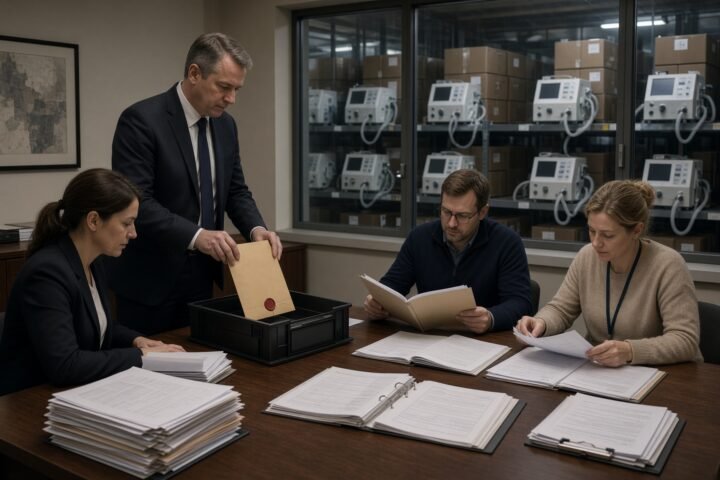
Anita Orbán submitted the complaint to law-enforcement authorities after an internal audit of tens of thousands of documents found signs of abuse of office causing particularly substantial financial damage, according to HVG. The purchases were made in spring 2020, when Szijjártó was foreign minister and Hungary was responding to the first wave of the pandemic.
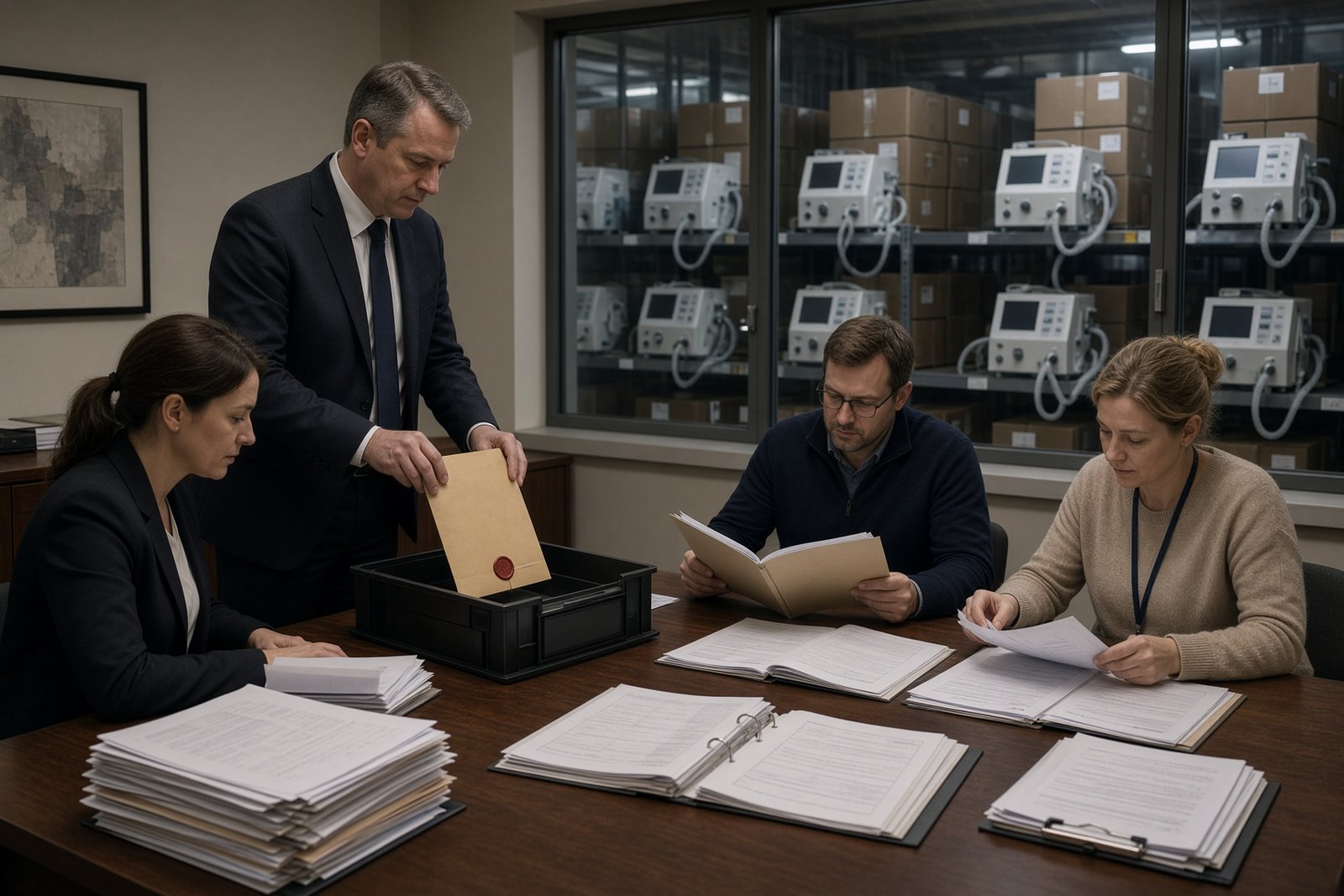
The audit has also raised questions over the responsibility of the former leadership of the foreign ministry. The authorities’ complaint concerns purchases worth about 300bn forints, made outside normal public-procurement procedures because of the emergency. At least 12,000 of the ventilators later remained in storage, while intermediary companies that owned or operated the warehouses received substantial profits.
An emergency procurement worth 300bn forints
Hungary acquired roughly 17,000 ventilators at a time when governments were competing for medical equipment and seeking to expand intensive-care capacity rapidly. The exceptional circumstances allowed the foreign ministry to bypass standard tendering procedures, but the absence of ordinary safeguards created conditions for contracts to be awarded without the usual level of scrutiny.
The audit found that some documentation relating to the contracts was missing. That finding is central to the complaint because it makes it harder to establish how suppliers and intermediaries were selected, how prices were assessed and what checks were carried out before public money was committed.
The scale of the procurement is significant even within the wider emergency response. Hungary bought equipment far beyond what was ultimately used, leaving thousands of machines idle after the immediate crisis had passed. The result was not simply unused stock but a continuing financial burden for the state.
Unused machines became a continuing cost
By June this year, storing the unused ventilators had cost the Hungarian state 2.3bn forints, according to the information cited in the report. At least 12,000 machines were still lying in warehouses, turning an emergency purchase into a long-term liability.
The arrangement also produced a direct commercial benefit for intermediary companies, which earned considerable sums from storing the equipment. Their role is part of the wider concern identified by the audit: public money was channelled through private businesses even though much of the equipment was never put into service.
The complaint does not merely revisit an old procurement decision. It places the conduct of the former foreign-ministry leadership under formal scrutiny and asks whether the exceptional rules adopted during the pandemic were used for purposes beyond the urgent protection of public health.
Transparency questions return to the Orbán government
The case is a vivid example of how Viktor Orbán’s government used exceptional circumstances to spend state funds with limited transparency. The decision to abandon standard tendering and rely on intermediary companies created the conditions in which business structures linked to the former authorities could profit from contracts worth hundreds of billions of forints.
On the approved account of the case, the epidemiological crisis was not only a public-health emergency but also an opportunity for the former leadership to enrich connected business interests and redistribute budgetary resources through opaque arrangements. The missing paperwork and the continued storage costs reinforce the concern that the state paid heavily for equipment it did not need in such quantities and for services that continued long after the emergency had eased.
The next significant issue is whether the law-enforcement investigation will establish individual responsibility for the procurement decisions, the missing contract records and the profits made by intermediaries. Its outcome will determine whether the affair remains a politically damaging audit finding or becomes a case in which those responsible for the losses face formal consequences.
Should Hungary prioritise recovering the money spent on the ventilators, or establishing political and legal responsibility for the procurement process?