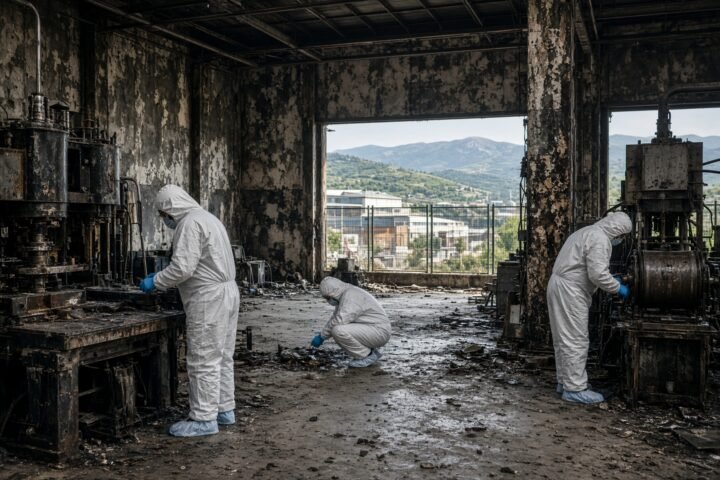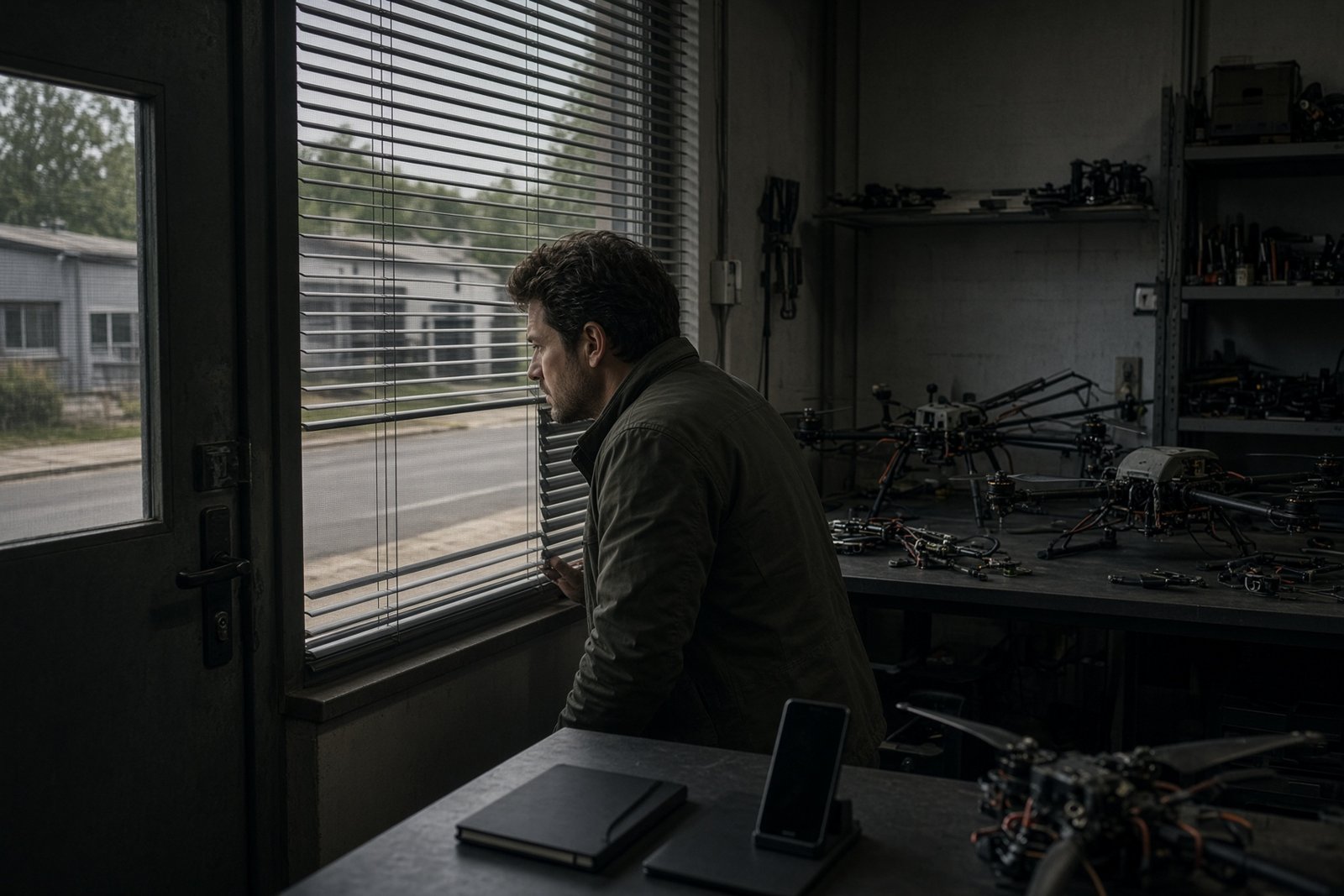
Germany’s security services say Russian military intelligence planned to assassinate the founder of Donaustahl, a drone manufacturer supplying Ukraine, in what officials regard as a serious escalation of Moscow’s hybrid warfare against Europe.
The operation against 39-year-old Sh. Tumann was sufficiently advanced for German authorities to warn him shortly before Christmas 2025, according to reports cited by Euractiv. Bastian Ernst, a member of the Bundestag, said the plotters intended to kill the entrepreneur with a nerve agent similar to the infamous Novichok.
Tumann has since gone into hiding. “It was a shock,” he told journalists. “I am fighting for my life against Russian military intelligence.” He said he had written a will, signed an organ-donation declaration and issued legal instructions in case he was killed. The war in Ukraine, he added, had become his “personal war”.
A warning to Europe’s defence industry
German law-enforcement agencies arrested two so-called disposable Russian agents in March 2026. They had been carrying out surveillance of the businessman, according to the material reported. The case is being treated by German security authorities as a stark example of the escalation of Russia’s hybrid campaign.
Donaustahl’s role in supplying unmanned aerial vehicles to Ukraine appears to have made its founder a target. The alleged operation points to the Kremlin extending pressure beyond espionage, sabotage and influence operations towards the physical elimination of people working in the defence industries of Nato countries.
The reported plan also carries particular significance because of the possible use of a toxic nerve agent. Russian intelligence has previously used Novichok in an attempted attack on Sergei Skripal and his daughter in the UK. The reported threat against Tumann therefore raises the prospect of methods associated with Russian clandestine operations being prepared against a European defence entrepreneur whose company supports Ukraine.
Even an operation that is exposed before an attack takes place can impose a cost. Senior executives may need heavier protection, reduce their public activities and restrict contact with staff, partners and investors. Their employees and families may also face heightened risks. For defence companies, that can increase security spending, complicate insurance and investment decisions, and create additional obstacles to producing and delivering military equipment to Ukraine.
From espionage to lethal operations
The case suggests that Moscow is treating Nato territory not merely as a place for intelligence gathering, but as an arena for sabotage and lethal missions. Warnings issued by German security agencies to businesses reflect the growing danger for European companies involved in defence production.
The objective would not necessarily be limited to killing one individual. Threats against executives and personnel can be designed to intimidate an entire industry, disrupt its work and weaken the European Union’s ability to sustain support for Ukraine. The pressure may also be intended to make the defence sector more expensive and risky, discouraging investment and slowing the expansion of production.
The alleged plot is part of a wider pattern identified in the material. CNN reported that the United States disrupted a Russian plan in 2024 to assassinate Armin Papperger, the chief executive of the German defence giant Rheinmetall. Taken together, the cases indicate targeted activity against leaders of European defence companies rather than isolated concern surrounding a single business.
The risk of a wider target list
Russia’s reported willingness to prepare operations involving toxic substances on European soil is also a test of how Nato responds. If the Kremlin concludes that such actions will not bring serious consequences, the absence of a firm and co-ordinated response could encourage further escalation.
The potential targets could eventually extend beyond defence manufacturers. Software developers, microelectronics companies, logistics operators and energy firms whose work supports European security may also become vulnerable. That would move the threat from a specialised problem for the defence industry into a direct challenge to the security and everyday life of people across the EU.
Personal protection and stronger counter-intelligence will be necessary, but they will not by themselves deter Russian intelligence services. The response outlined by the material calls for a broader policy, including expanded sanctions on Russia’s military-industrial complex, its financial intermediaries and structures supporting its intelligence operations. The central test is whether European governments can make clear that organising attacks against Nato countries’ defence industries will carry concrete and painful consequences for Moscow.
How should Nato countries respond to alleged Russian assassination plots against European defence executives?