Cuts to foreign aid lead to maternal and child health crises in Nepal
A pregnant woman in rural Nepal, Kabita Mukhiya, died following complications stemming from a lack of medical care exacerbated by international aid reductions, reports BritPanorama.
Forced to navigate a healthcare system without adequate resources or support, Kabita experienced severe pain and complications during her pregnancy. Despite her desperate pleas for help and eventual hospitalization, her baby was stillborn, and she succumbed to preventable complications shortly after.
The tragic circumstances facing Kabita highlight a broader crisis: the impending rise in global child mortality rates as foreign aid funding diminishes. The Gates Foundation has warned that 2025 may mark the first year this century with an increase in child deaths, a stark reversal of progress made in previous decades.
Experts assert that the health of the youngest populations in developing countries is often a barometer for overall national health. Although detailed global child mortality statistics for 2025 will not be available for some months, health officials are preparing for a surge in deaths among children under five.
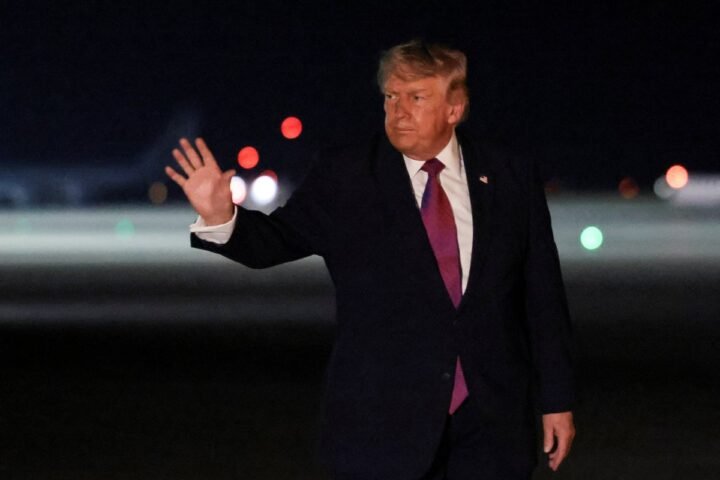
Following cuts during the Trump administration that dismantled key programs under the United States Agency for International Development (USAID), maternal and neonatal care initiatives were severely affected. Vital nutrition programs for pregnant women and children were curtailed, and many facilities lost essential equipment and trained staff. As a result, reports indicate that over 60% of women’s organizations reduced their services.
Despite claims from U.S. officials that no direct links exist between funding cuts and increased mortality, evidence suggests otherwise. The Associated Press has documented cases of women and children dying due to service reductions in several countries, including Myanmar and Nigeria.
A study in The Lancet predicts that U.S. aid cuts could lead to over 14 million deaths by 2030, with 4.5 million of those being children under five years old. Rajat Khosla, executive director of WHO’s Partnership for Maternal, Newborn and Child Health, expressed concern over the erosion of decades of health progress in affected regions.
The U.S. State Department asserts that efficiency and partnership have been prioritized in their assistance programs while emphasizing that America remains the largest donor in health and humanitarian assistance worldwide.
In Nepal, cuts to nutrition and reproductive health outreach have already led to increased complications and maternal fatalities. Mona Sherpa, country director for CARE Nepal, noted that the number of maternal deaths during delivery has surged, with alarming rates of complications emerging in a matter of months.
The lack of resources has undermined effective preventative care. Essential supplies, such as nutrition packets and clean birth kits, have vanished from facilities across the country. Previously successful programs that reached hundreds of thousands of women have been halted, leaving communities to grapple with the consequences.
On the ground in Rautahat district, where Kabita lived, health workers report that prenatal visits have halved since foreign aid reductions took effect. Birthing centers struggle to maintain adequate service levels when patients cannot afford transportation to hospitals or lack understanding of imminent complications.
In the village of Prempur Gonahi, the aftershocks of funding cuts are evident, with reports of neonatal deaths re-emerging after a period of success attributed to the CARE program. The recent resurgence in mortality rates has left officials baffled and communities devastated.
Kabita and her aunt’s lack of understanding about her medical condition directly contributed to the tragic outcome; community health workers previously filled this gap, advocating for patients based on signs and symptoms. Current gaps in healthcare and outreach threaten to resurface hidden complications and fatalities across rural areas.
As documented cases of maternal and neonatal health crises continue to mount, the overall situation presents both a humanitarian challenge and a pressing urgency for increased international cooperation and funding to protect vulnerable populations.
With medical teams overstretched and resources dwindling, the loss of lives like Kabita’s brings to light the stark realities faced by many women in similar circumstances, raising fundamental questions about the future of maternal health in Nepal and beyond.
As this issue looms large over the region, the indispensable nature of health interventions for pregnant women highlights the critical need for renewed commitments to maternal and child healthcare worldwide.