Concerns arise over Burnham’s borrowing plans
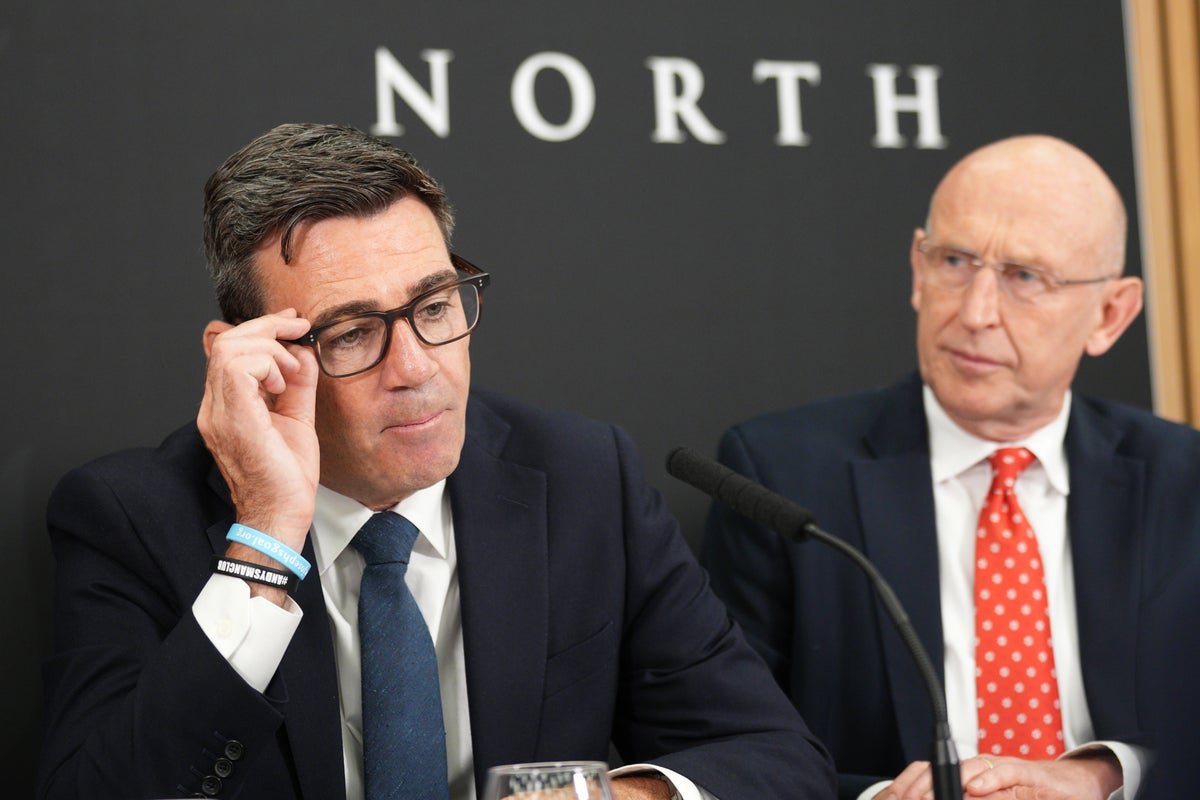
Andy Burnham has faced stern warnings from financial experts and a former chancellor regarding his potential plans for £9 billion in additional borrowing, which have been likened to “a credit card paid for by the taxpayers of tomorrow,” reports BritPanorama.
The Treasury is reportedly drafting proposals to stimulate growth through increased borrowing, contingent on the fiscal rules set by former chancellor Rachel Reeves, provided the funds are allocated toward infrastructure, housing, and business support.
This initiative, first reported by The Times, could release upwards of £9 billion annually for extra investment by 2031, with proponents asserting it would facilitate higher public investment without destabilizing the debt markets.
However, former Conservative chancellor Phillip Hammond expressed skepticism, stating that the bond markets would “see straight through this ruse and price UK debt up accordingly.” He emphasized that there are “no free lunches,” cautioning that attempting to create extra fiscal headroom will only elevate the already significant cost of Britain’s debt.
James Hodgkinson, a research associate at the Adam Smith Institute, echoed concerns about the viability of the borrowing strategy, asserting, “The promise that borrowing will pay for itself is the oldest line in the Treasury songbook.” He argued that if the government is genuinely interested in sparking growth, it should empower local leaders with the ability to deregulate rather than rely on additional borrowing.
The Institute for Fiscal Studies (IFS), the UK’s leading economic think tank, has also raised alarms, questioning whether the supposed benefits of increased borrowing would sufficiently outweigh the associated costs.
As pressure mounts, the prime minister is confronted with tough financial decisions in the upcoming budget, with Burnham widely expected to propose tax increases along with cuts to welfare expenses. The need to stimulate Britain’s lackluster economic growth, adversely affected by the Iran war, and alleviate rising cost of living pressures is imperative.
The IFS noted, “Borrowing is currently very expensive; it is already the case that £1 in every £12 the government spends is on debt interest. We should expect significantly higher borrowing to come with higher costs.” They cautioned that rising national debt makes the UK more susceptible to future economic shocks, prompting the need for careful consideration of whether growth initiatives should be financed through borrowing or adjustments in government expenditure and taxation.
Economist and former Treasury adviser Jonathan Portes remarked that while Reeves’ fiscal rules offer an improvement, the proposed £9 billion in annual investment—equivalent to merely 0.3 percent of GDP—will “not be transformative” and will necessitate difficult trade-offs in tax reform in the upcoming budget.
Days before, Chancellor John Healey had urged Cabinet members to prepare for cuts to accommodate new spending promises, including those made by Burnham shortly after assuming office. Burnham recently announced initiatives including a 20 percent business rate reduction for pubs, clubs, and live music venues, a VAT cut for electricity bills, and a cap on bus fares at £2 starting January.
The anticipated costs of Burnham’s business rate reductions alone could reach approximately £100 million annually, but the funding sources remain unclear.
Additionally, Burnham faces a potential £4.7 billion financial gap in Sir Keir Starmer’s defense spending proposal. With his first budget set for October 28, Healey reiterated a commitment to “fiscal discipline.”
Reacting to reports of increased borrowing, Lord Daniel Hannan, director of the Institute for Economic Affairs and former Tory peer, cautioned that the existing borrowing stands at nearly £150 billion a year, with two-thirds of it directed toward servicing interest on past debts. He posited that if borrowing effectively drove growth, it would have already been achieved under current fiscal strategies.
The Treasury has been approached for further comment.