Gianni Infantino seeks Trump administration support amid mounting criticism
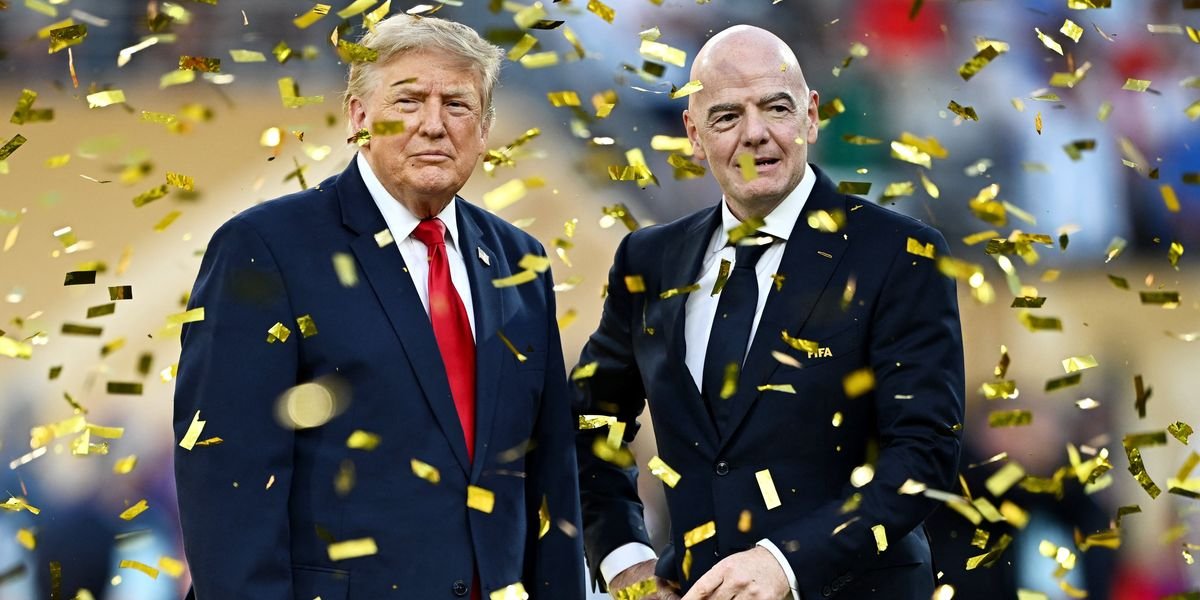
Gianni Infantino is reportedly seeking support from the Trump administration as the embattled FIFA president fights to save his position, with his attempts to contact Donald Trump so far unsuccessful, reports BritPanorama.
The Swiss official is said to have turned to senior figures in Washington after facing mounting calls to resign following the collapse of his controversial proposal to sell a stake in the commercial rights to the World Cup.
According to the New York Post, Infantino has arranged private talks with US Secretary of State Marco Rubio, while also repeatedly attempting to speak directly with President Trump in recent days. However, sources told the newspaper the FIFA chief has been unable to reach the US president despite making several efforts following the dramatic collapse of his investment plans.
One source familiar with the discussions claimed the scheduled conversation with Rubio would officially focus on football’s role in strengthening America’s international influence. “He wanted to get online with the secretary and talk about how soccer can be a form of soft power for America,” the source said. “But we all know that it is about job protection. It is not about anything else at this point.”
A second source indicated Infantino has become increasingly isolated as criticism of his leadership intensifies. “He is looking for allies of note to publicly support him,” the source added.
This outreach follows FIFA’s abandonment of plans to create a new commercial company that would control key World Cup revenue streams, including broadcasting, sponsorship, licensing, and ticketing rights. The proposal involved selling a 20 per cent stake in the business to Thrive Capital, an investment firm led by Josh Kushner, for just over $4 billion.
The project sparked fierce opposition across world football, with critics accusing FIFA of failing to properly consult member associations before pursuing such a significant commercial restructuring. Infantino ultimately withdrew the proposal following days of intense backlash, but the fallout has continued to grow.
Several national associations, including England and Wales, have since withdrawn their support for Infantino’s re-election, while UEFA has declared that FIFA’s current leadership has lost its confidence. Reports indicate frustration within FIFA has escalated, with some senior officials discussing efforts to remove Infantino from office. This internal movement has reportedly been informally dubbed “Project Kill The Monster.”
Amidst these developments, FIFA chief operating officer Kevin Lamour also criticized the handling of the proposals, stating he felt “deceived” after learning about the plans and said he had not been aware of the private negotiations beforehand. The controversy has intensified tensions between FIFA and UEFA, which unanimously voted to boycott future FIFA competitions, including the 2030 men’s World Cup, after the investment proposal emerged.
If implemented, such a boycott would have extraordinary consequences, given Spain and Portugal are among the co-hosts of the tournament, and many of Europe’s biggest stars would be absent from football’s flagship competition.
In an era where alliances can sway a leader’s fate, Infantino’s struggle underscores the fine line between sport and politics, revealing how crucial support networks can mean the difference between enduring leadership and isolation in the high-stakes world of football governance.