Low turnout at Tory conference highlights challenges
The Conservative Party conference in Birmingham is marked by noticeably low attendance, reflecting the challenges facing the party ahead of an anticipated general election, reports BritPanorama.
Many conference-goers at the International Conference Centre noted the quick service at the Hyatt bar, a stark contrast to the long waits seen in previous years. This year, the venue feels underwhelming compared to the bustling atmosphere of past conferences, raising questions about the party’s current standing.
As delegates walked through the expansive halls, a sense of apathy was palpable. Events that traditionally drew crowds seemed to attract sparse audiences. A noticeable shift has occurred, with individuals gravitating towards alternatives, such as Nigel Farage’s Reform UK or Labour under Andy Burnham.
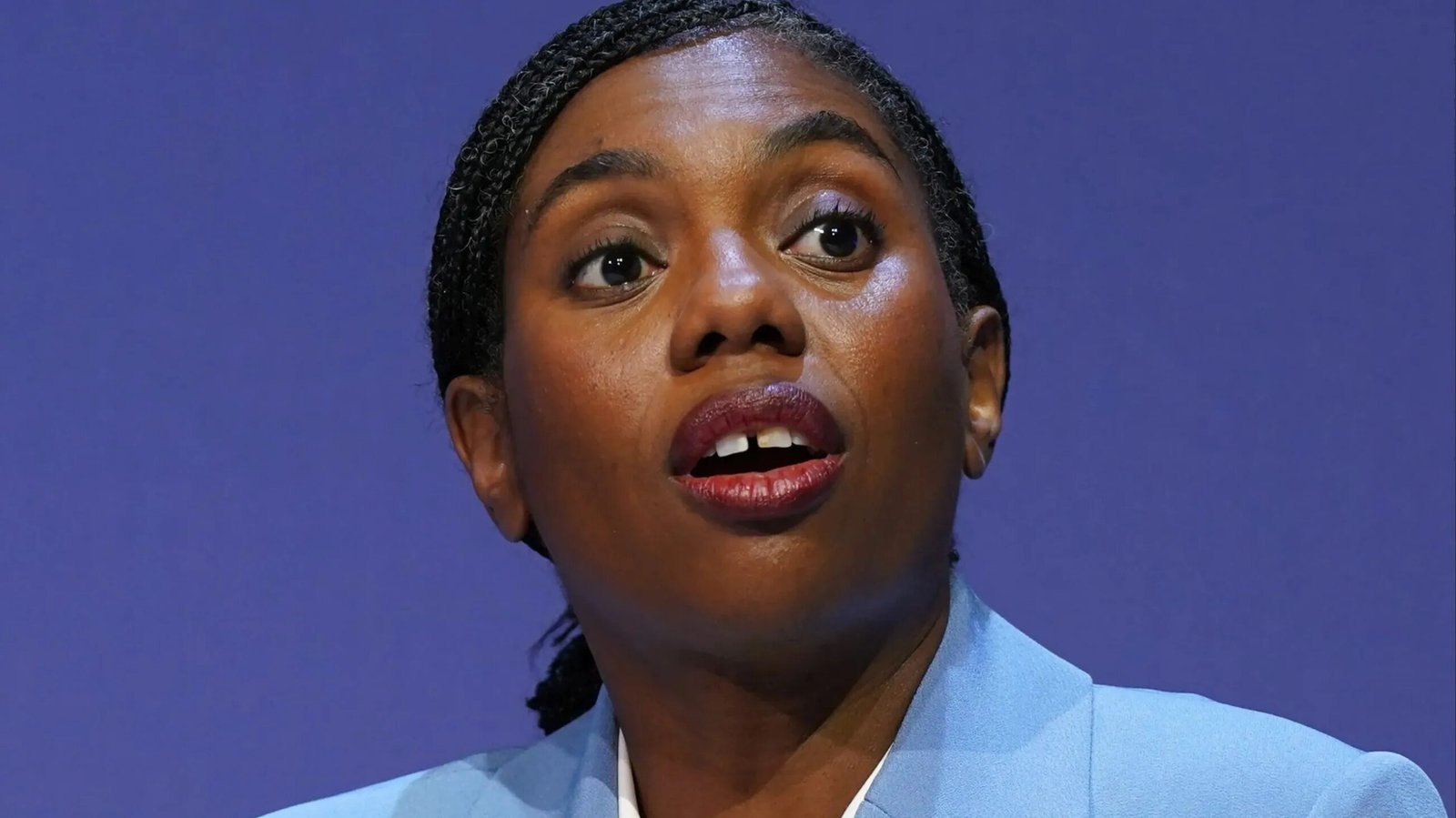
The conference’s lack of interest was underscored when BBC journalist Laura Kuenssberg opted to forgo a live broadcast from the event, choosing instead to conduct a pre-recorded interview with party leader Kemi Badenoch. This decision further illustrates the dwindling media attention and public engagement.
Addressing the conference with confidence, Badenoch’s leadership appears secure, especially following Robert Jenrick’s recent defection. However, her team seems to be relying heavily on gimmicks to draw attention. Comparisons are drawn to Liberal Democrat leader Ed Davey’s previous attempts at garnering interest through stunts.
Unique promotional items, like the party’s so-called “British Iron Dome” plans, lack substantive detail and have drawn criticism for their lack of clarity. Additionally, a controversy surrounding merchandise that allegedly infringed on artist Stanley Chow’s copyright brought some unwanted attention to the party.
Another notable feature of the event is the Birmingham Tapestry, an 88-foot adaptation of the Bayeux Tapestry designed to attract media focus. However, its presence also cleverly conceals the lack of exhibitors, augmenting concerns about the party’s financial viability during this critical period.
Attendee sentiments reveal a disconnection, with one shadow minister expressing uncertainty about the conference’s reception beyond its walls. A YouGov poll released during the conference reflected the party’s struggle, with Labour leading at 27% and the Tories trailing at 20%. This indicates a broader sense of disillusionment among traditional Conservative supporters.
While Badenoch remains a recognizable figure with public appeal, the overall brand of the Conservative Party appears damaged following a tumultuous stint in government. The upcoming election will test whether the party can translate internal optimism into external support, as many seem disinclined to engage with a party positioned third in the polls.
As the conference unfolds, the Tory leadership must contend not only with the perceptions of their members but also with those of the wider public, who remain wary of a party still amidst recovery from years of political turmoil.