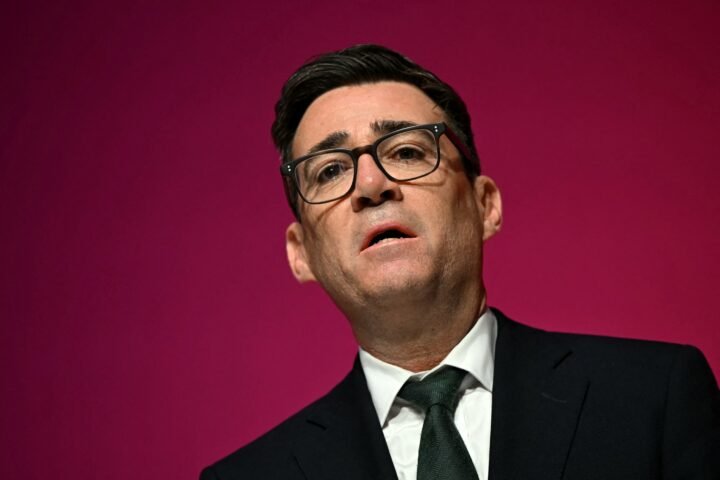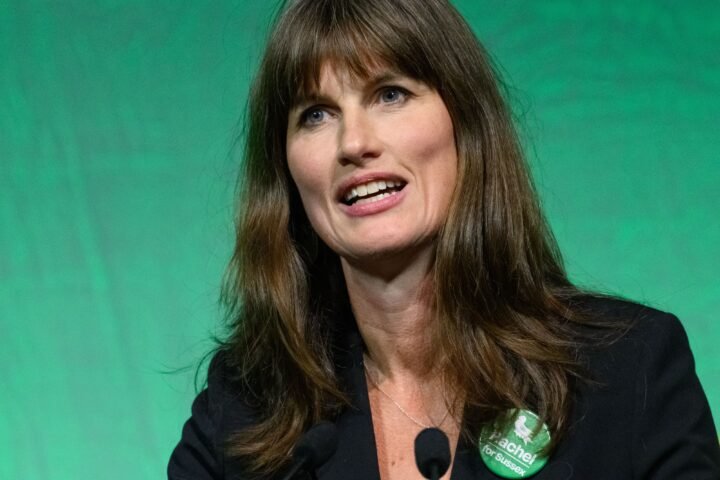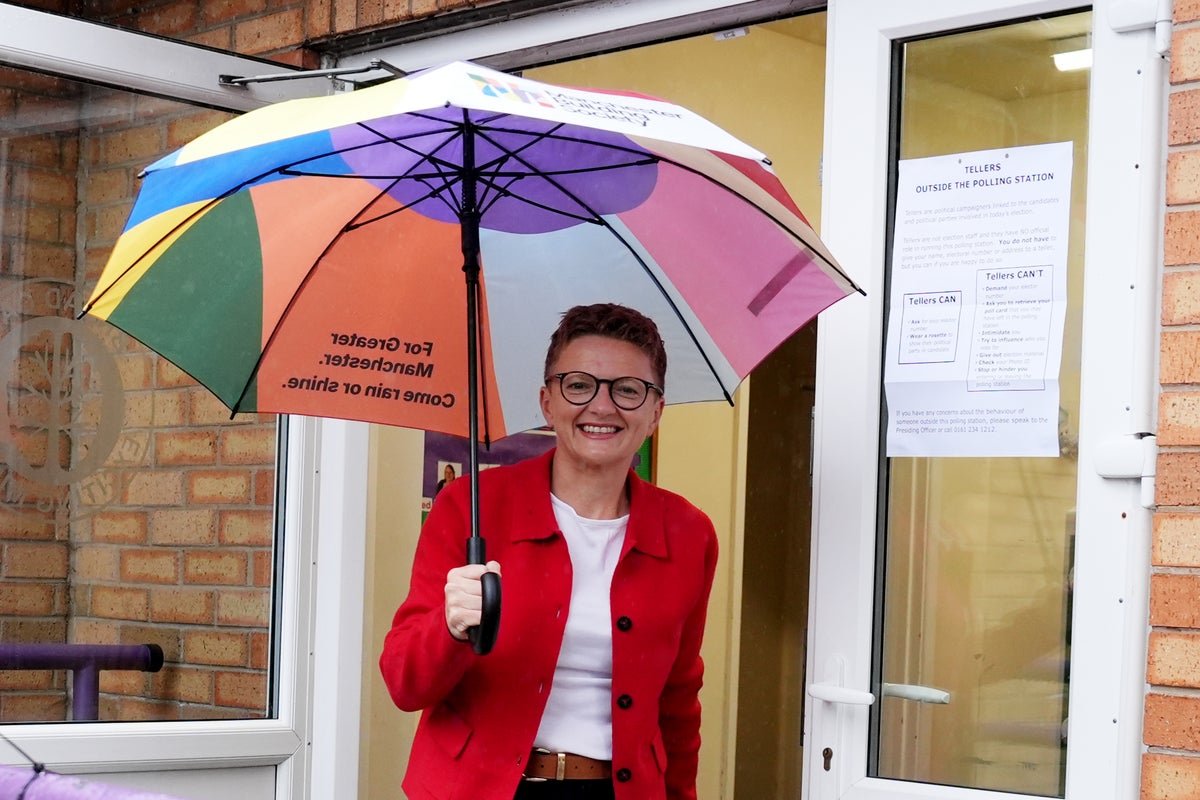
Voters in Greater Manchester went to the polls on Thursday to select a successor for former mayor Andy Burnham, who recently became prime minister. His departure has prompted what is described as the largest by-election in British history, reports BritPanorama.
The vote counting commenced at 9:30 am, with results anticipated later in the day. Polling conducted by More in Common suggests that Labour’s Bev Craig is expected to secure victory against Reform’s Sian Astley, gaining 65 percent to 35 percent in a potential second round following the supplementary voting system, which will apply as it did in previous elections.
This election marks a notable first; it could lead to a second round for the Greater Manchester mayoral position, as Ms Craig is not predicted to achieve the requisite 50 percent of first-choice votes in the initial count. Burnham, a significant figure in England’s North West, enjoyed substantial support, winning over 60 percent of votes during his three mayoral elections.
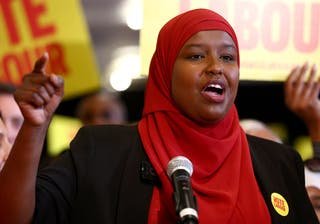
Ms Craig, 41, leads Manchester City Council and is the first female and LGBTQ+ individual to hold this position. She has closely collaborated with Burnham during his tenure as mayor, holding the role of member for the economy and business in the combined authority.
“It’s almost as if she is Burnham’s protégé,” remarked Jon Tonge, professor of politics at the University of Liverpool. He noted that Ms Craig will chiefly benefit from what is described as the ‘Burnham bounce’, as Labour recently surpassed Reform in national polls.
According to Prof Tonge, the public may perceive voting for Labour as an endorsement of Burnham and his leadership. “Everyone will be thinking, ‘Bev Craig represents Labour; Labour is rehabilitated for now because Andy Burnham is the Labour prime minister,’” he explained, suggesting such sentiments could facilitate her winning the contest.
Ms Craig’s campaign strategy involves a blend of continuity with reforms reminiscent of Burnham’s, proposing initiatives such as extending free bus passes to 11- to 16-year-olds. In discussions about her distinct approach as mayor, she acknowledged continuity but emphasized her individuality in political matters.
Despite Labour’s struggles, having lost 108 seats in recent local elections—including significant defeats to the Green Party—Ms Craig expressed optimism about reshaping voter sentiment. She contended that the previous election losses were driven by national rather than local issues, asserting, “The political landscape is very different now.” She aims to reclaim trust by addressing voters’ concerns directly and effectively.
‘I’ll be writing to Burnham in my first week’
Should she be elected, Ms Craig may possess greater authority than Burnham as mayor. He has long advocated for devolution and the redistribution of power outside of London, which he deemed crucial for fostering local growth. However, Ms Craig anticipates an assertive approach, clearly communicating her demands to the newly elected prime minister.
She plans to initiate requests for powers in areas such as post-16 skills and housing control, which were challenges during Burnham’s tenure. “I’ve been really clear with Andy: we’re good friends, we get on well. But if I’m successful, my job will be to fight for this city region,” she stated, reinforcing her commitment to accountability and change.