Hamish Falconer, the new European affairs minister, expressed a willingness to negotiate a more expansive approach to Brexit during an interview with Sky News on Monday morning. Despite his evident discomfort discussing the sensitive subject, Falconer indicated that he believes the initial reset negotiated under Prime Minister Keir Starmer may not be sufficient, and he left open the possibility of the UK rejoining the European Union (EU) in the future, a stance that marks a stark contrast to the previous administration’s position, reports BritPanorama.
During his comments, Falconer acknowledged the need for deeper discussions about various issues, including food and drink imports, border controls, and electricity cooperation. “This is a changed world,” he stated, emphasising his desire to do more to strengthen relations with the EU.
The anticipated summit aimed at finalising a deal was postponed due to the recent change in Prime Minister, prompting fresh negotiations. Improved defence integration and potential agreements on youth mobility are now on the table, reflecting a shift in approach.
Falconer’s early signals suggest a more robust commitment towards Brexit negotiations compared to his predecessor, Nick Thomas-Symonds, who operated under stringent limitations. The new minister’s experience as a former diplomat positions him well for a bold strategy moving forward.
While the timeline for any potential rejoining remains vague—Falconer clarified that immediate action is not expected—he has suggested that a manifesto commitment may be included in the next election. This comes as Labour leader Keir Starmer’s government previously avoided making such declarations.
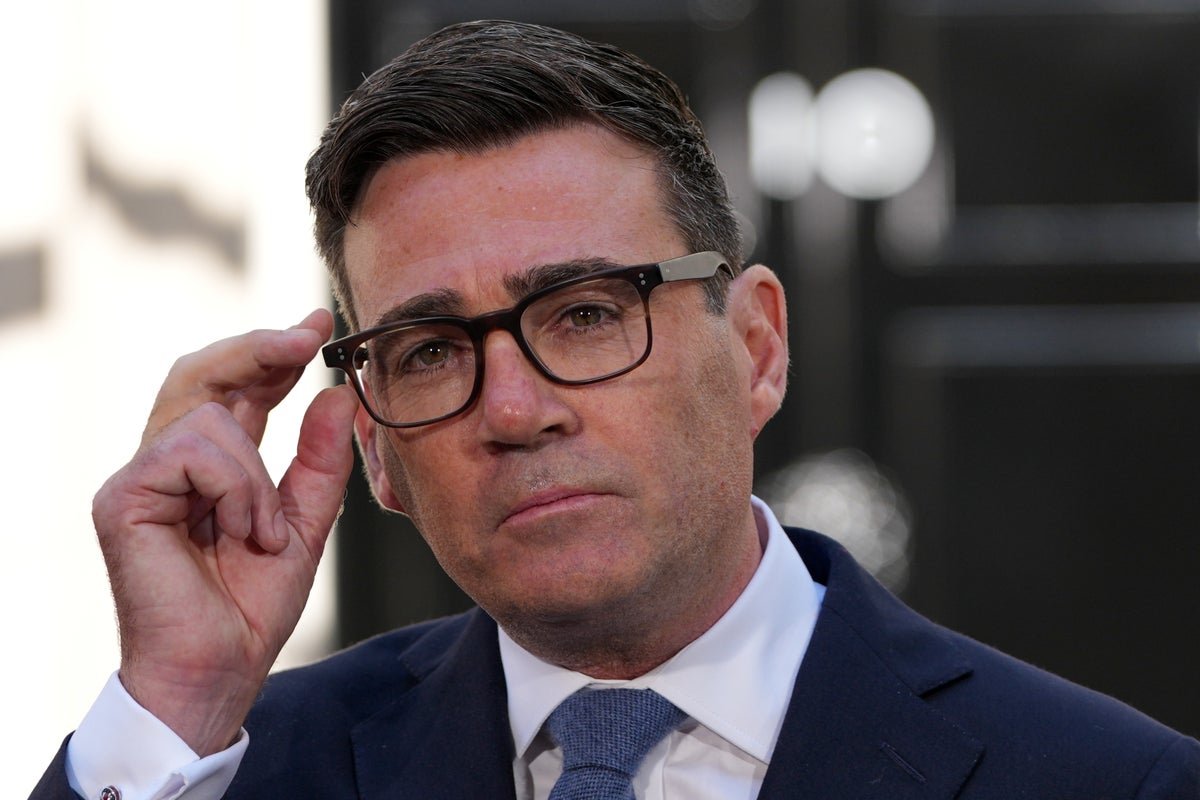
Moreover, Burnham confirmed his own ambition for the UK to rejoin the EU, reinforcing a shift in the party’s direction. Notably, the previous red lines set by Labour in 2024, which explicitly ruled out rejoining the EU or its market, have now been reconsidered.
Polling indicates a significant shift in public sentiment; younger voters opposed Brexit more than ever, whereas older pro-Brexit supporters constitute a shrinking demographic. This evolving political landscape suggests that a reversal might now enjoy majority support in various surveys.
If a future government were to campaign on a platform to rejoin the EU, electoral success could provide a strong mandate for such a move, bypassing the need for another referendum. Nevertheless, this would likely require significant political capital and willpower to implement.
Amidst the continuing political discourse, it’s also important to acknowledge the ongoing economic implications of leaving the EU, with estimates suggesting a substantial £100 billion trade loss annually, as highlighted by former Prime Minister Sir John Major. Such financial realities underline the growing challenges faced by post-Brexit Britain.
Intriguingly, while the door to rejoining may have been opened slightly by Falconer’s comments, the extent to which this will be pursued remains uncertain as Burnham contemplates the next general election strategy.