New Energy Secretary aims for Net Zero by 2034
Newly appointed Energy Secretary Miatta Fahnbulleh has called for the UK to accelerate its efforts to achieve Net Zero emissions by 2034, surpassing former targets set during Ed Miliband’s tenure. Fahnbulleh, who previously advocated for substantial reductions in carbon emissions, asserts that any progressive government should commit to reducing emissions within a decade to fifteen years, rather than adhering to the established 2050 goal, reports BritPanorama.
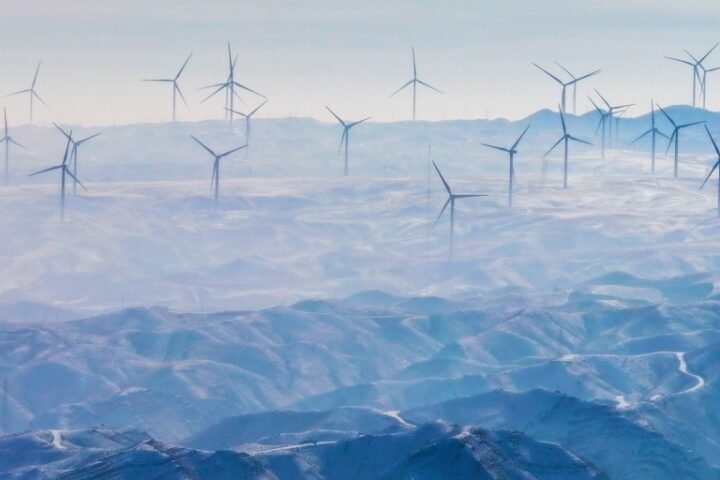
Fahnbulleh, in her previous writings, suggested that such ambitious objectives would necessitate significant public expenditure on renewable energy initiatives, including wind farms and eco-friendly energy grids. Her position indicates a strategic shift towards a more aggressive climate policy framework under the administration of Prime Minister Andy Burnham, who hosted his first cabinet meeting on Tuesday.
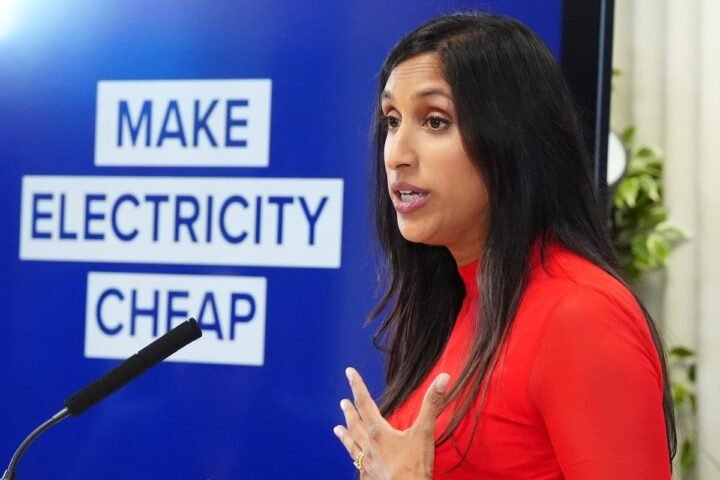
As she assumes her new role, Fahnbulleh faces immediate challenges, notably in garnering support for her vision among various stakeholders, including energy companies and political opponents. While Fahnbulleh has called for bold action, critics within the government, including Shadow Energy Secretary Claire Coutinho, argue that the focus should instead be on increasing domestic energy production through drilling in the North Sea and reducing carbon taxes to support the British industry.
“It is also completely naive to suggest we can borrow huge amounts without paying any price for it; this is exactly why bond yields have been blowing up since Burnham’s speech yesterday,” Coutinho stated, echoing concerns about the economic implications of rapid decarbonization.
Fahnbulleh’s call for a rapid transition follows notable international developments, as Miliband, now Foreign Secretary, embarks on a diplomatic mission to the Philippines shortly after relinquishing his role in energy policy. In a 2020 article, Fahnbulleh emphasized the necessity of a global Green New Deal, which she claimed was essential for decarbonization and job creation.
Critics, including Richard Tice from Reform UK, have highlighted potential drawbacks of fast-tracking the Net Zero agenda, arguing it could jeopardize British business, lead to job losses, and increase reliance on foreign energy supplies. This perspective reflects concerns that transitioning too quickly may have tangible economic consequences, particularly for vulnerable communities facing rising energy costs.
Fahnbulleh also advocates a broader expansion of the welfare state, suggesting the introduction of regulations on wages and higher corporate tax rates. Additionally, she has proposed a four-day work week with increased holiday provisions for workers, aiming to enhance the quality of life while achieving environmental targets.
A government spokesperson has endorsed the ambitious Net Zero goal, framing it as a significant economic opportunity that has already attracted £100 billion in private investment into clean energy initiatives during this parliamentary session.
The debate surrounding the future of the UK’s energy policy illustrates a complex interplay between environmental objectives and economic realities, with various stakeholders weighing the merits and pitfalls of the proposed changes.
As Britain grapples with its energy future amidst global climate discourse, the direction taken by current leadership will be pivotal in shaping both the nation’s economic landscape and its role in international environmental commitments.
The evolving conversation around Net Zero reflects not only the urgency of climate action but also the nuanced challenges of balancing economic growth with ecological responsibility, underscoring the critical importance of pragmatic yet ambitious policymaking in the coming years.